When The Myth of Equality: Uncovering the Roots of Injustice and Privilege was published earlier this year, I wanted to read it and I didn’t want to read it. I requested it from the publisher for review, because I knew it would be good, and then it sat there for most of the summer. Because as good as I knew it was going to be, I knew it would also be challenging. Even if you are committed to racial equality, it’s still hard to confront how you have benefited in life merely because of the color of your skin.
Ken Wytsma knows this, and that is why he wrote this book. He is a pastor in Bend, Oregon, president of Kilns College, and founder of the Justice Conference—and he’s white. When Helen Lee at IVP asked him to write a book on racism, he balked at first. What could he say that couldn’t be said better by a person of color? But the more he thought about it, and saw racial bias in person, the more he thought that some white people were simply able to hear this message better (at least initially) coming from someone like them.
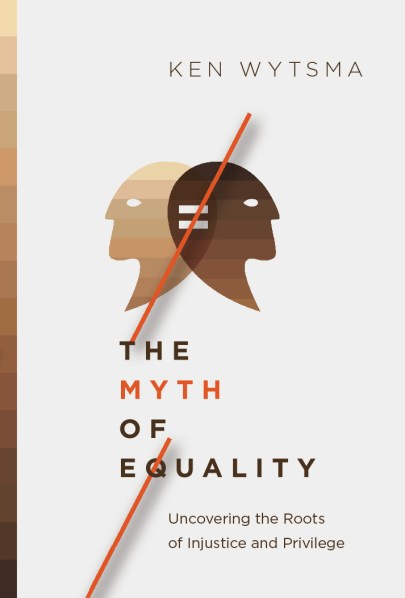 The book comes in three parts. In Part I, Wytsma briefly tells the story of race in America, from the age of exploration to modern segregation. In contrast to those who might argue that we have now largely moved on from our racist past, Wytsma maintains that “one of the central arguments of this book, as we uncover the roots of injustice and privilege, is that the effects of state-sponsored racism in America are very much present today” (75). But even now among the dominant evangelical culture, civil rights for minorities are not a priority: “A thin personal gospel, along with an oversimplified understanding of deeply entrenched racial systems (what I’ve called ‘the myth of equality’ in this book), has often allowed race to be made secondary to other foreign, domestic, and spiritual concerns” (65).
In Part II, Wytsma looks more closely at this “thin personal gospel.” He says that many of us have what he calls an “aristocratic itch,” where we place our own comfort above working for justice: “It is common for me to talk to people want to pursue justice but only after they have taken care of themselves first” (90). He also argues that the gospel of Jesus, properly understood, is not just about personal salvation. It is a gospel of reconciliation, which inevitably involves justice issues, but white American Christians have been blinded to this fact by our adoption of the dominant (and un-Christian) cultural narrative of consumeristic individualism. Instead of living according to this narrative, Wytsma calls the church to prophetic engagement in justice issues.
In Part III, Wytsma challenges white Christians to become more aware of implicit racial biases. Again, this goes against a commonly held narrative, and so is hard for many white Christians to hear. Wytsma writes, “I often encounter people who tell me that we may not have equality of outcome in America, but there is definitely equality of opportunity. I used to believe this, but it’s not true. Implicit racism in the United States today leads to the same results as the explicit racism of the Jim Crow era” (144, emphasis added). And again, “For Christians who are working for a society of the equality amid diversity that is God’s dream for the world, implicit bias is the battleground where we need to fight the hardest” (145). White Christians need to not stop at including different voices; we need to share power and opportunity, answering the biblical call to community. In sum,
We have to challenge the impulse and aspiration toward aristocracy—power and privilege permitting a life of leisure. We have to honor our brothers and sisters and learn to make the common good part of our aspirations. This goes against the grain of American individualism. It cuts against our deep inclinations of self-realization and advancement. Ultimately, it cuts against empire and the way we are shaped as consumers. The kingdom is a wholly different reality. None of us will get it perfectly right, but we must be committed to that narrow road where we are found in our love of enemy, love of neighbor, and life in the communion of saints. (191)
This is the first book of Wytsma’s that I’ve read, and I was impressed. He does a masterful job of anticipating objections and arguing for a biblical view of racial justice. I was most grateful for his blending of humility and boldness throughout. He knows that the privileged do not always respond well to being told that they are privileged, and he does so skillfully by calling them to a higher standard rather than simply lambasting them. He also knows that his is not the last word on the subject, and ends the book with several pages of recommended resources. I recommend this book for people, especially white Christians, who want to live out the gospel but are intimidated by discussions of race in America and don’t know where to start.
Thanks to InterVarsity Press for a review copy of this book.
FURTHER READING:
My friend James wrote a great review of The Myth of Equality a few months ago.
Ken Wytsma was interviewed on the podcast Seminary Dropout a few weeks ago.
 But it is not a how-to book, and for that reason I had the hardest time getting into it. It comes in three sections: The first, called “Stigmas, Stereotypes, and Shame,” states the problem: single people are too often seen in American churches as problems, pariahs, or projects. In the second, called “How We Got Here,” Dalfonzo gives a history lesson that begins in the ’90s with the courtship craze started (or at least fueled) by Joshua Harris’s book I Kissed Dating Goodbye. In the third, called “Where Do We Go from Here?” Dalfonzo paints a picture of what churches could look like if they did really welcome single people for who they are, rather than as potential married people.
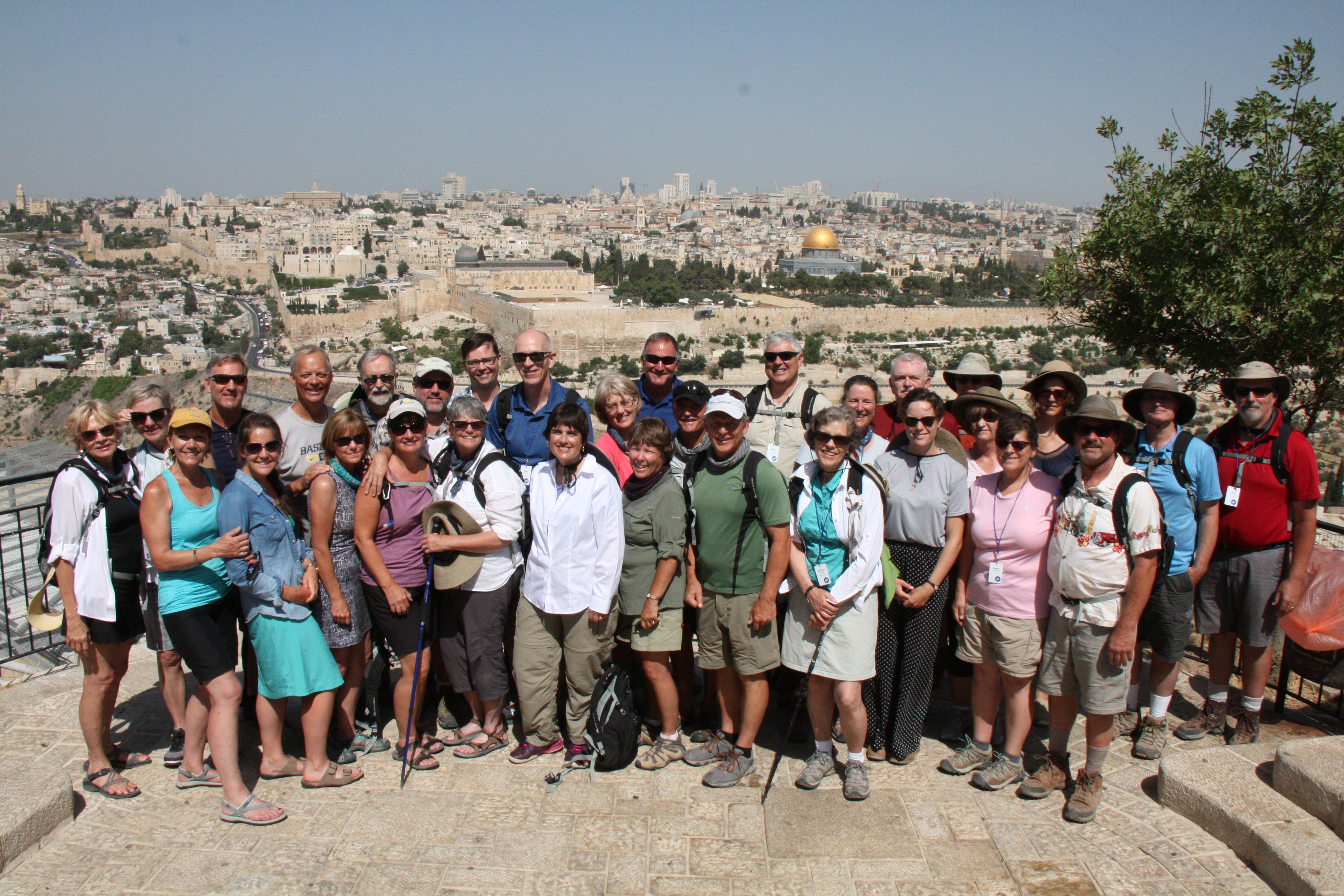
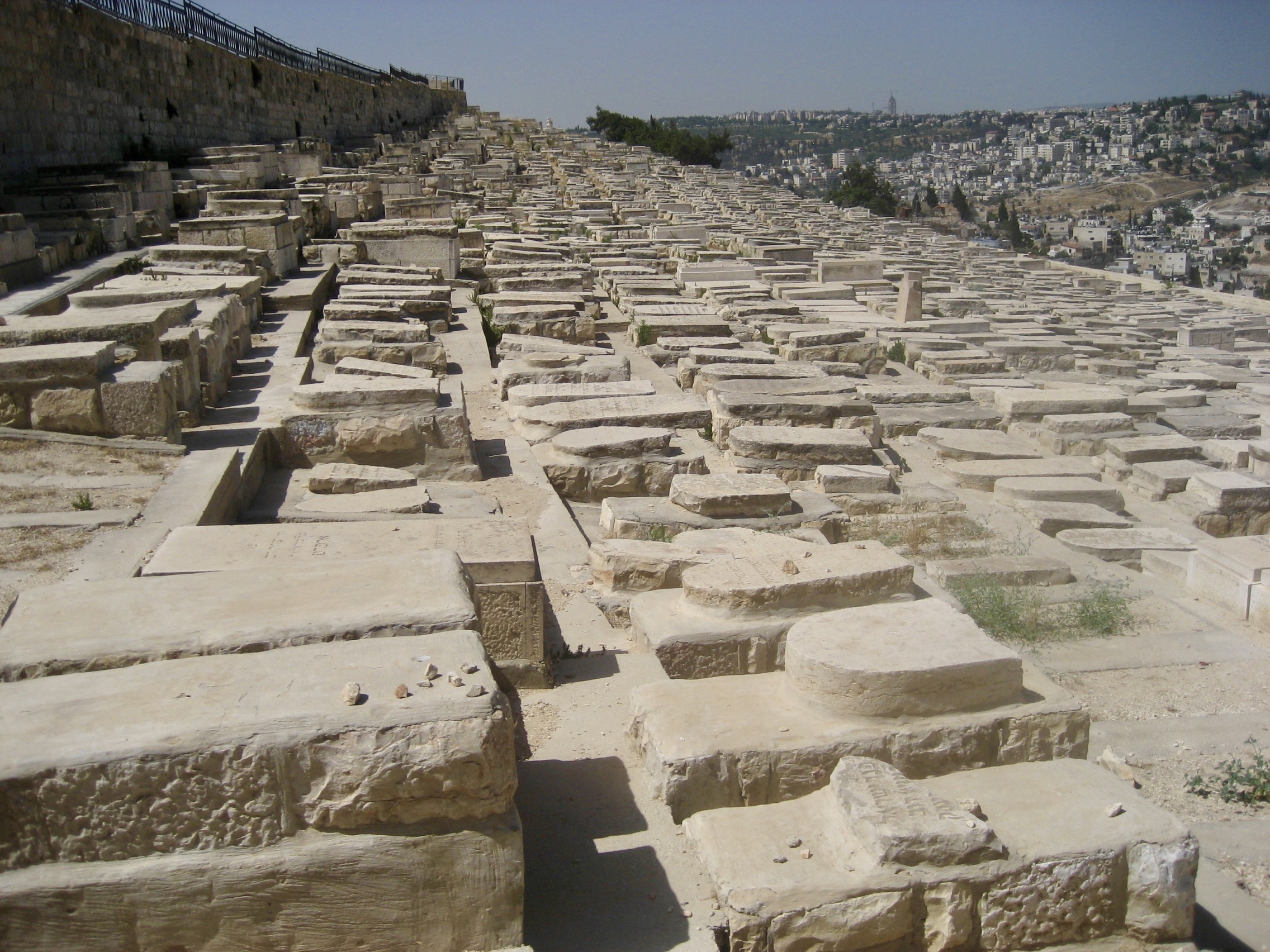
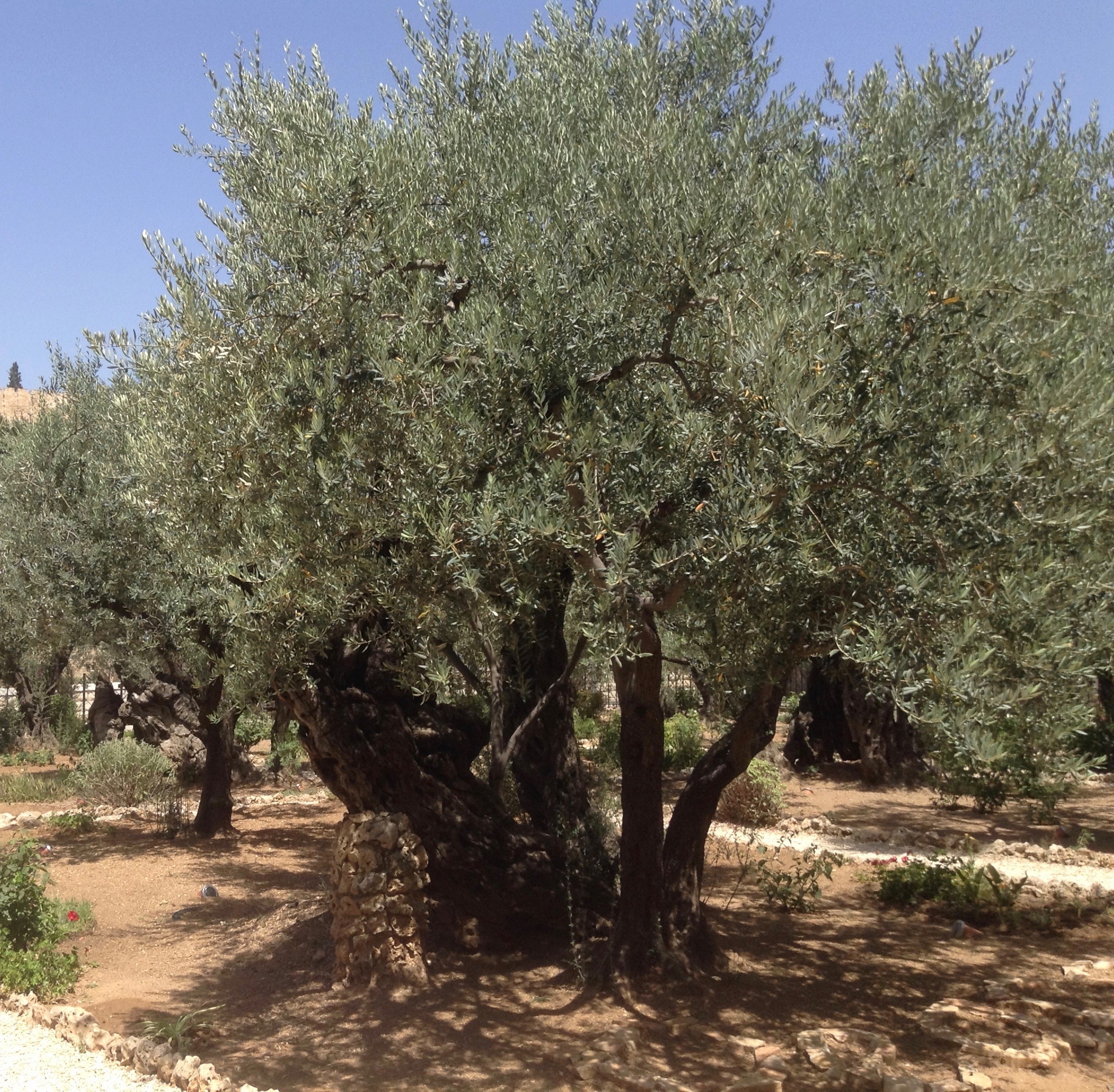
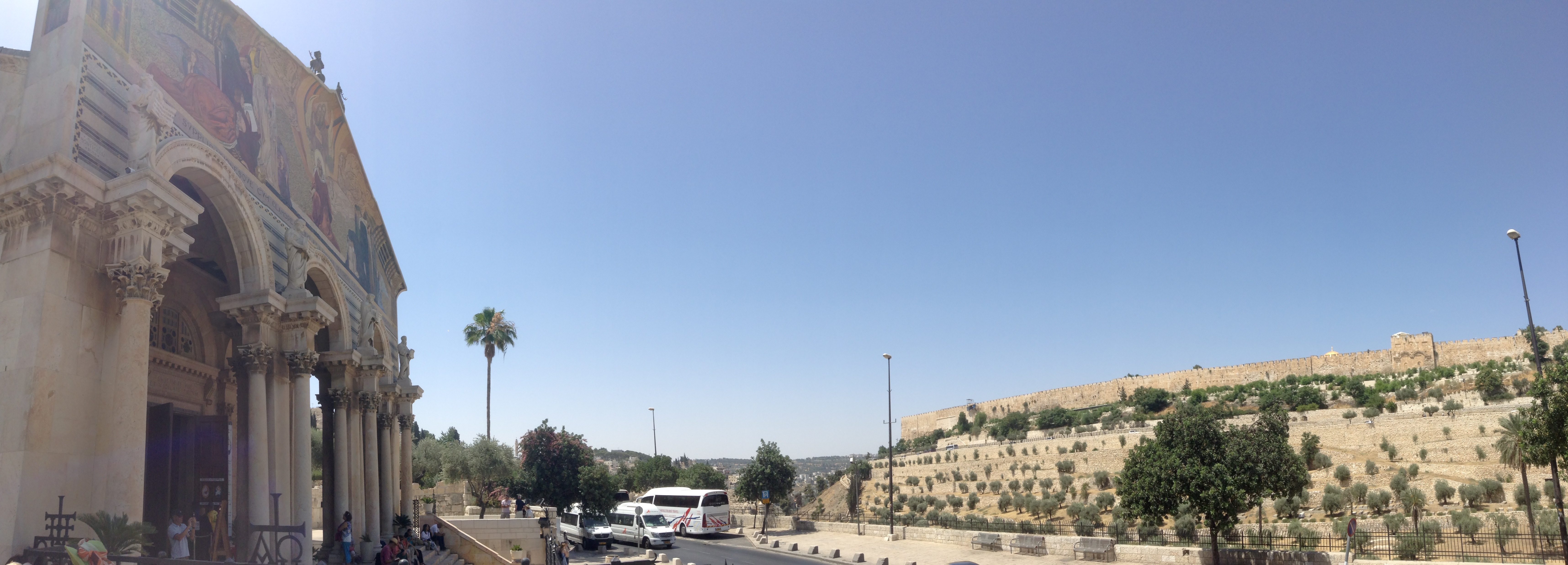

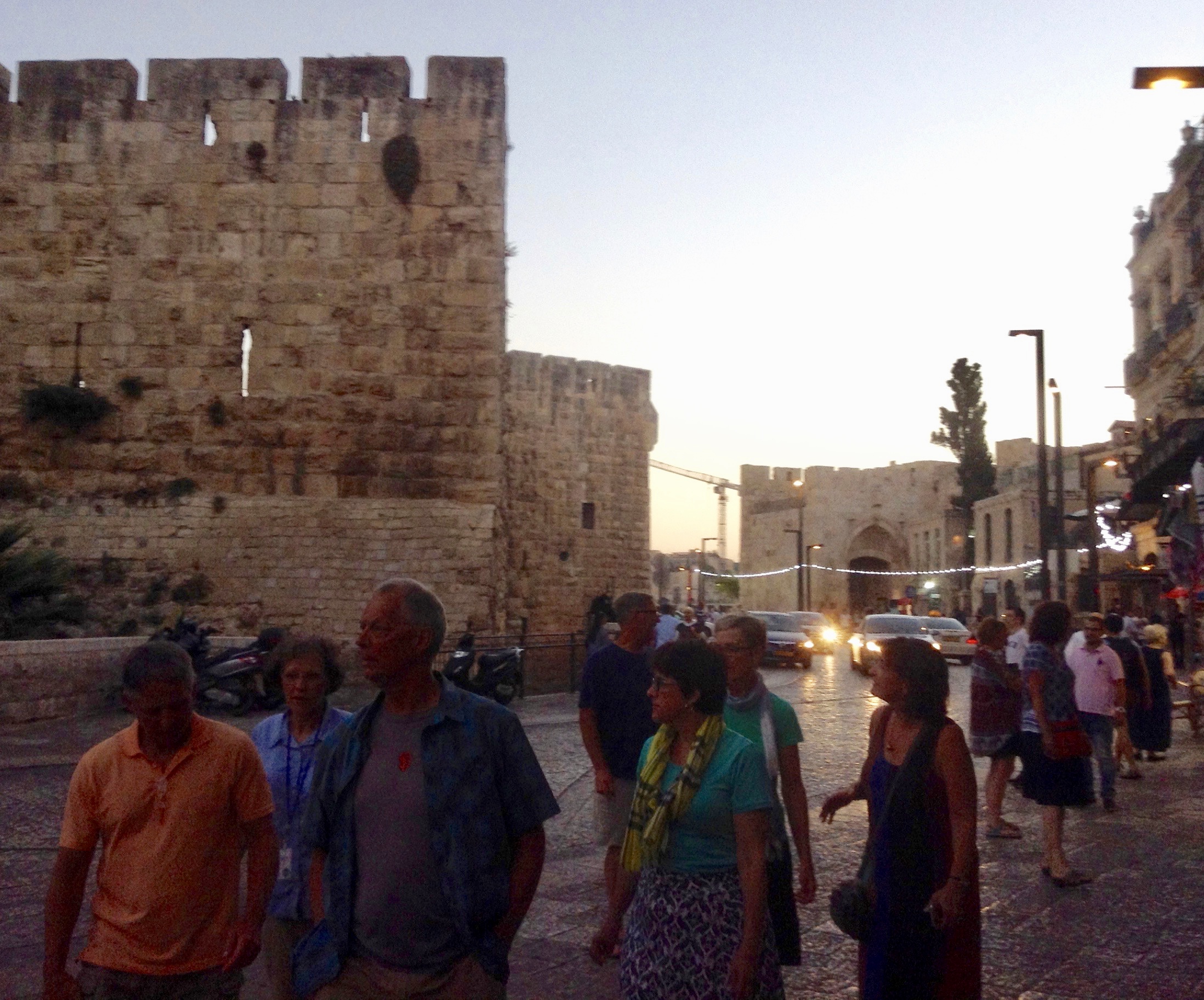
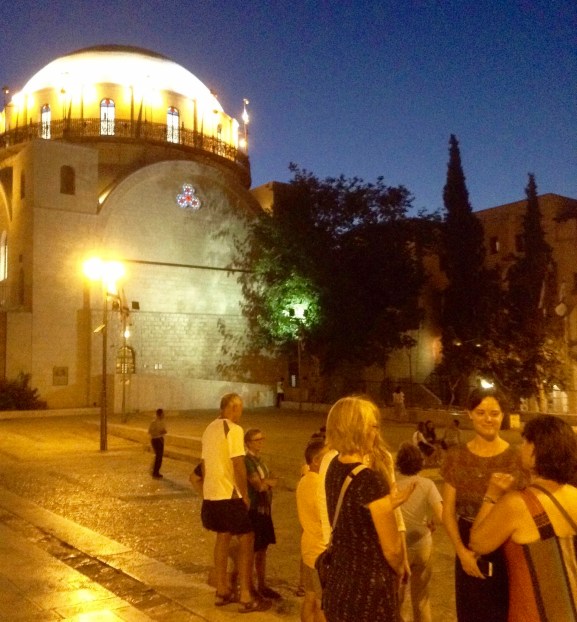
 It was stunning, and I couldn’t get enough of it. Of the three nights we spent in Jerusalem, no matter how tired I was after that day’s excursions, I went walking around at night to take in as much as I could: enjoying the views, watching the people, eating the gelato (who knew you could get gelato in the old city?). I was a little nervous about getting lost by myself, so I had to look for people to go with, but thankfully there were plenty of other people who were also excited to do night exploring (thanks, Kurt & Suzie, Jenna & Abigail!).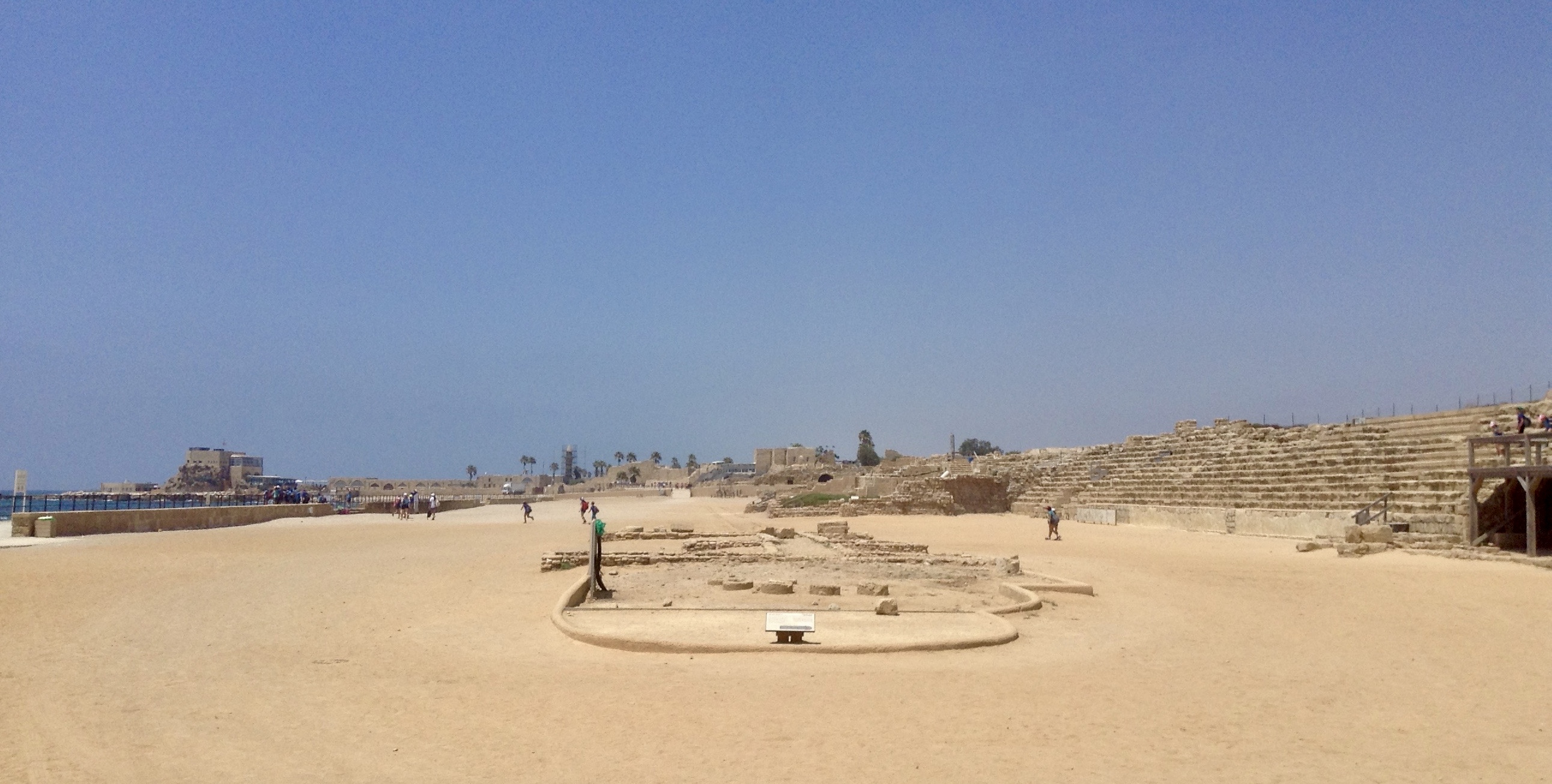


 After we left Caesarea, we stopped at an aqueduct not far away, then continued on to Jerusalem for the night.
 This sort of thinking is also present in churches, although biblical qualifications for leadership have a bit to do with skills (“able to teach,” 1 Tim 3:2; 2 Tim 2:24) but much more to do with character (“above reproach,” “self-controlled,” “not quarrelsome,” “not a lover of money,” 1 Tim 3:2–3). My friend
  The main story Stevenson tells in the book is that of Walter McMillian, whom Stevenson began representing in the 1980s. McMillian, who is black, was on death row after being convicted of killing a white woman in Monroeville, Alabama—the hometown of Harper Lee, author of To Kill a Mockingbird, and the real-life model for its fictional town of Maycomb—but he didn’t do it. As Stevenson digs into the case, he finds evidence that, since it was a high-profile crime and the public was anxious for a conviction, the local authorities were more than willing to pin it on McMillian, despite the fact that witnesses saw McMillian elsewhere while the crime was being committed. During jury selection, the prosecution excluded African Americans. During the trial, the prosecution relied on two key witnesses who lied. And when the jury recommended life in prison, the presiding judge stepped in and escalated it to the death penalty. (State court judges in Alabama are elected by popular vote, and nobody who is looking to win an election wants to be seen as “soft on crime.”)
 If religion is inescapable because beliefs about ultimate reality are inescapable, then religion itself is not the problem and trying to get rid of all religion is not the solution. If you try your best to get rid of some forms of religion, other forms will pop up in their place. On the other hand, if you’re a religious person, then secularization is not the main problem. “The secular mistake has been to assume that every theology tends inevitably toward the same follies and fanaticisms, and to imagine that a truly postreligious culture is even possible, let alone desirable. The religious mistake has been to fret over the threat posed by explicitly anti-Christian forces, while ignoring or minimizing the influence that the apostles of pseudo-Christianity exercise over the American soul” (4).
 There are plenty such moments in the book, from Johnson’s childhood in Atlanta growing up as the son of the Braves’ play-by-play announcer, to his own work as a broadcaster, to his life with his wife and six kids (two biological and four adopted, including one with muscular dystrophy that keeps him in a wheelchair), to his becoming a committed Christian in the ’90s, to his fight against cancer between 2003 and 2006. There were difficult moments in all of these, but Johnson dwells on the unpredictable, joyful gifts—the blackberries—that he has received throughout his life and that have made it all worthwhile. He also tells a few “dad jokes” along the way, but rather than groaning at them, I found them to be an endearing part of his voice. They made him seem like a regular guy.
 Many people associate the name “Megiddo” with Revelation 16:16, which places a gathering of armies at a place called “Armageddon” (literally, “mountain of Megiddo”). Normally Armageddon is thought of as a battle, but a close reading of Revelation shows that the battle is never fought. Personally, since so much of Revelation is intended to be symbolic, and since there is no such place as the “mountain of Megiddo,” and since it’s physically impossible for the armies described in Revelation to gather in the space around Megiddo, I don’t think any literal future gathering for battle is likely to be fought at Megiddo. As Darrell Johnson says in his fine book on Revelation, “The name stands for the last resistance of the anti-Christ forces before the coming of the new creation” (Discipleship on the Edge, 290). Likewise, Grant Osborne writes in Revelation Verse by Verse: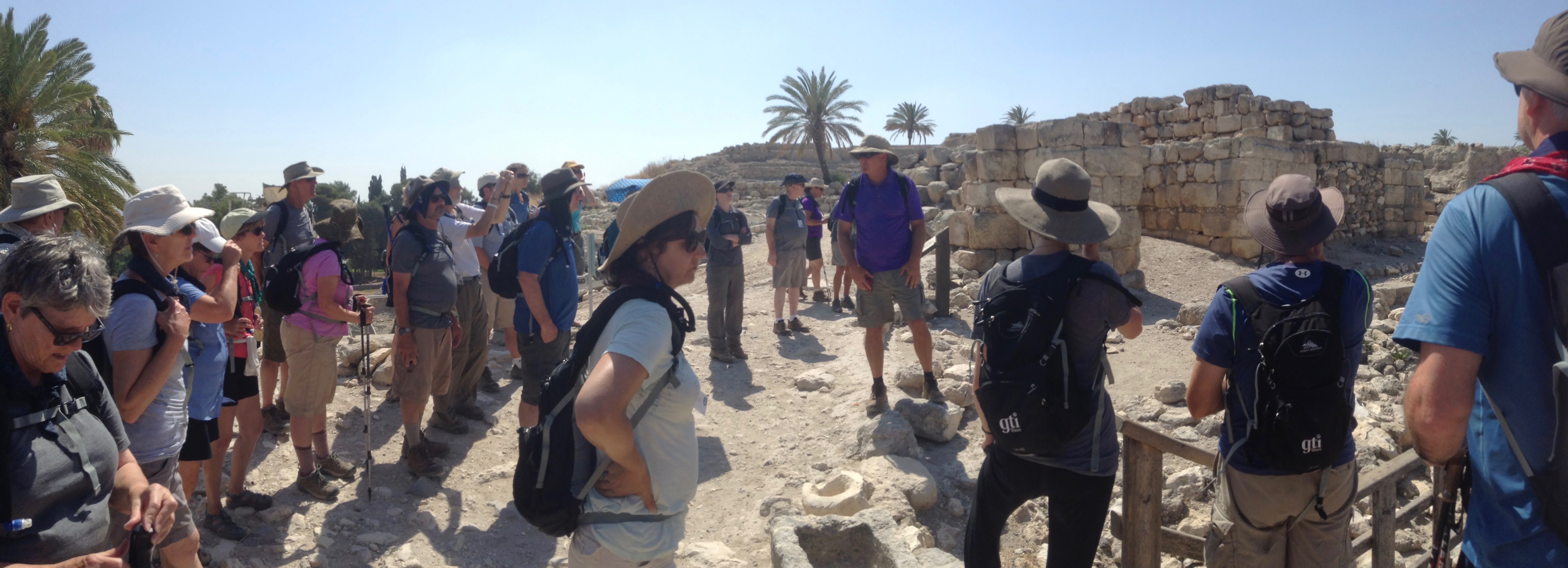
 In Jeremiah’s time, God was disgusted that the Judahites were likening him to the god Baal, saying he wanted child sacrifice. This was an abomination (Jer 32:35). Baal worship involving child sacrifice was abhorrent to the Greeks, and they put an end to it before Jesus’ day. But there were other things that were still going on in the first century that God also found disgusting. When Jesus entered the temple after his entry into Jerusalem on Palm Sunday, he says the temple establishment is making it into a “den of robbers,” quoting a passage from Jeremiah that speaks of abominations going on in the temple itself:
 Elliot Ritzema