It’s been over a month since my last post about my trip to Israel last summer, but it’s a rainy day and my wife is out of town, so now is as good a time as any to get back to it. This is the eleventh such post (to read them all, click here).
June 24 AM
On our second day in Galilee, we went east of the Sea of Galilee and into the Golan Heights, which Israel has occupied since 1967. Before then it belonged to Syria, and this is as close to Syria as we would get on this trip. I remember one of the mornings we were in Galilee I got up early and sat on the west side of the sea at our hotel. In the quiet, I could hear booming across the water. I don’t know for sure that these were the sounds of the long civil war going on in Syria, but that may have been what I was hearing.
Our first stop in the Golan Heights was the site of an ancient town called Gamla. The name comes from the Hebrew word for “camel,” and the town got that name because it was built on a ridge that looks like a camel’s hump.
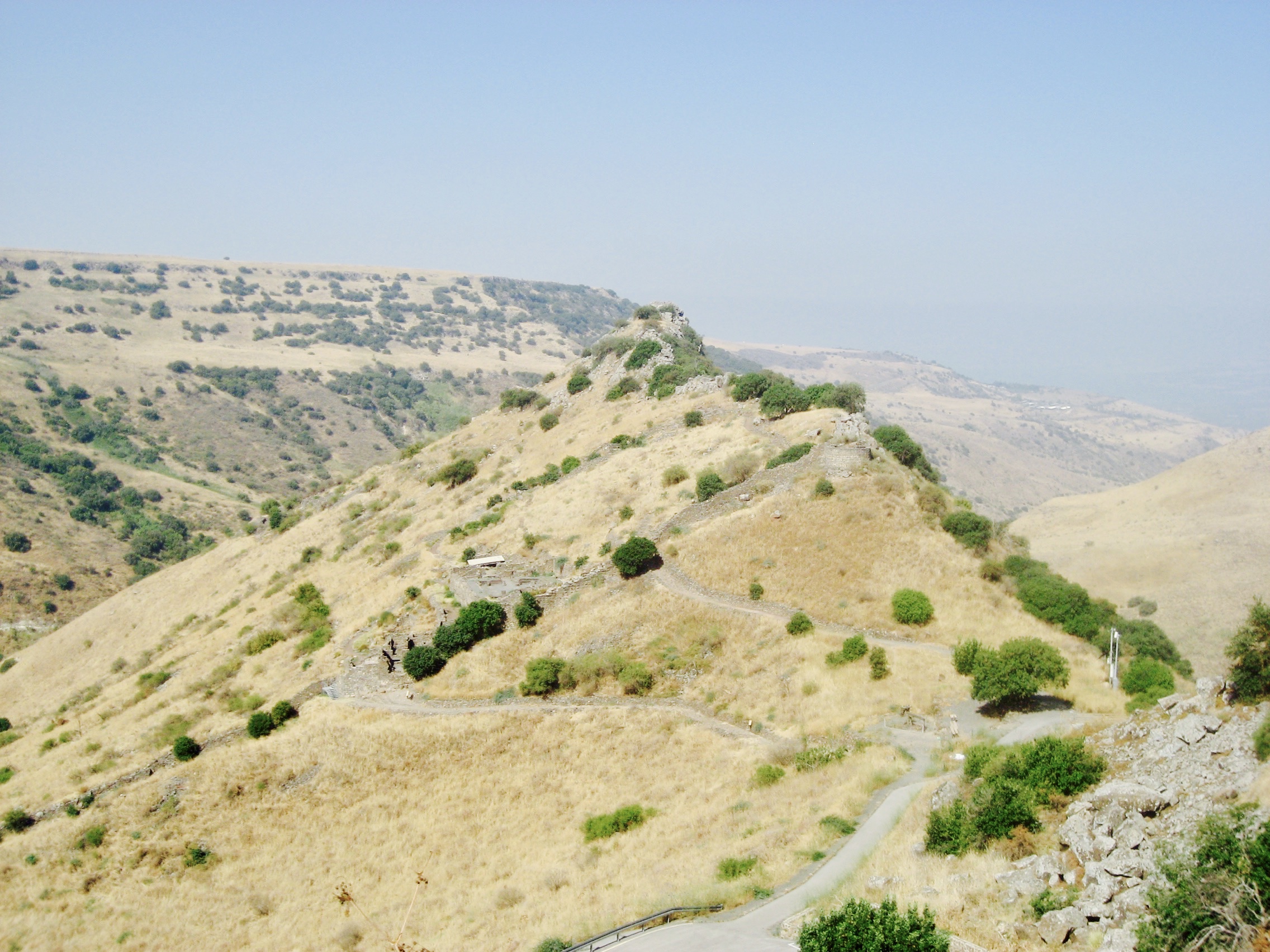
Gamla is not mentioned in the Bible, but in the years leading up to the First Jewish Revolt (AD 66–70) it was a hotbed of Zealot activity. The ancient Jewish historian Josephus records that the Romans attacked and destroyed the town in 67 (Jewish War 4.1–83). Josephus himself was present with the Roman general Vespasian when the town was taken.
It is especially significant to those who are interested in biblical archaeology because a Jewish synagogue was found there. Since it was destroyed in 67 and left untouched for almost 2,000 years, it sheds light on what Jewish synagogue life was like in Jesus’ day. It is even possible that Jesus visited this synagogue in the course of his itinerant ministry in Galilee.
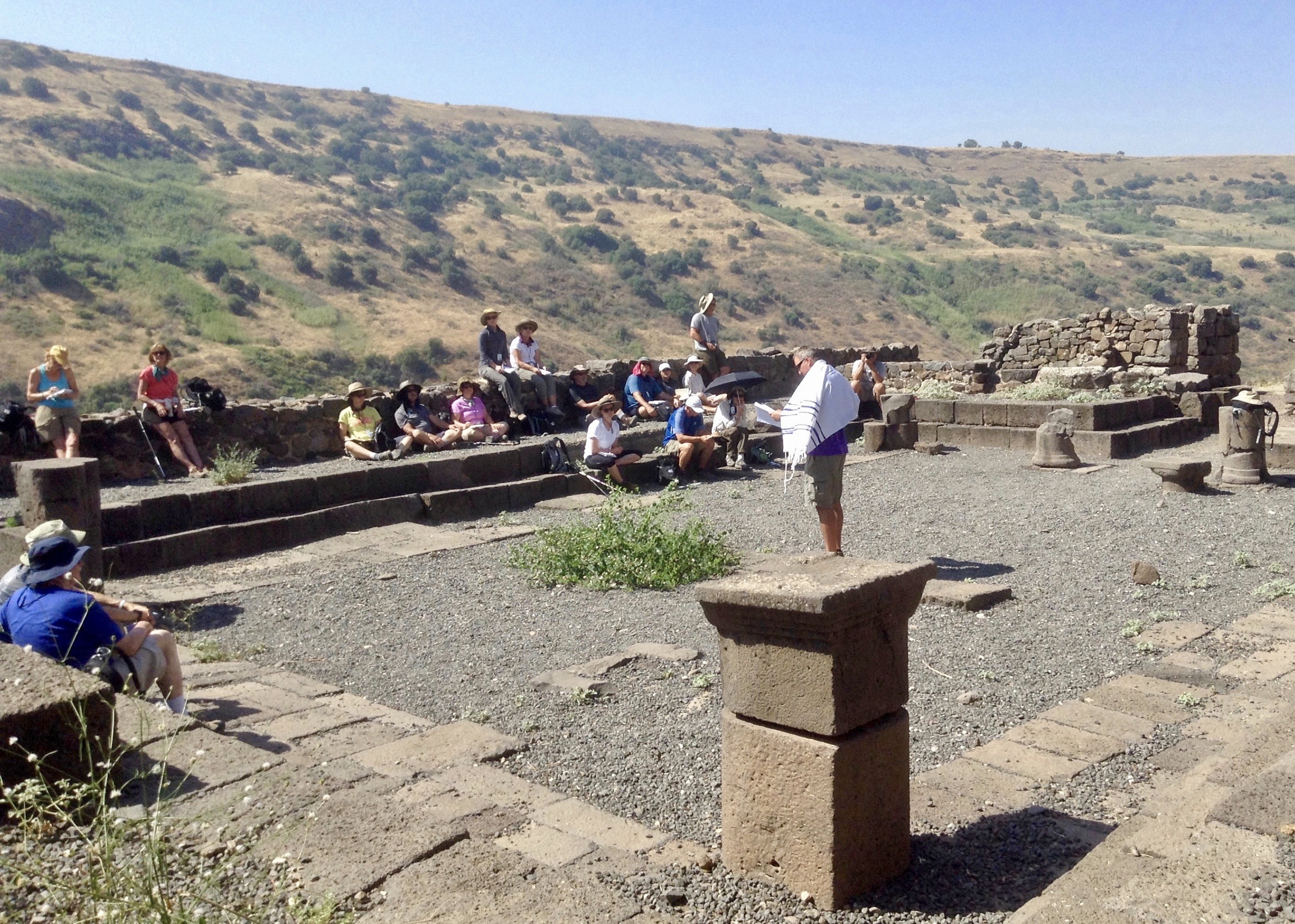
As we sat in the synagogue at Gamla, Tim, our guide, talked to us about the Zealots. At least one of Jesus’ disciples was a Zealot (Simon the Zealot), and Judas Iscariot might have been one as well (“Iscariot” might be a reference to the sicarii, “dagger bearers,” a subgroup of the Zealots who were part of fomenting the revolt against Rome. However, scholars are not united on this interpretation.) At the same time that Jesus called people who were adamantly opposed to the Roman occupation, however, he also called Matthew, a tax collector who was working for Rome. It is amazing to think that Jesus was able to transcend such deep political differences among his disciples. As deep as political differences are in our own day, there is hope that they can be transcended.
This was not the only site related to the First Jewish Revolt that we visited. Two days before, on the morning of June 22, we visited Masada, the famous fortress by the Dead Sea where the last of the Jewish rebels were defeated by the Romans in AD 73 (the end of the revolt is often given the date of AD 70, since that is when the temple was destroyed, but the Romans didn’t get around to crushing the last of the revolt for another three years).
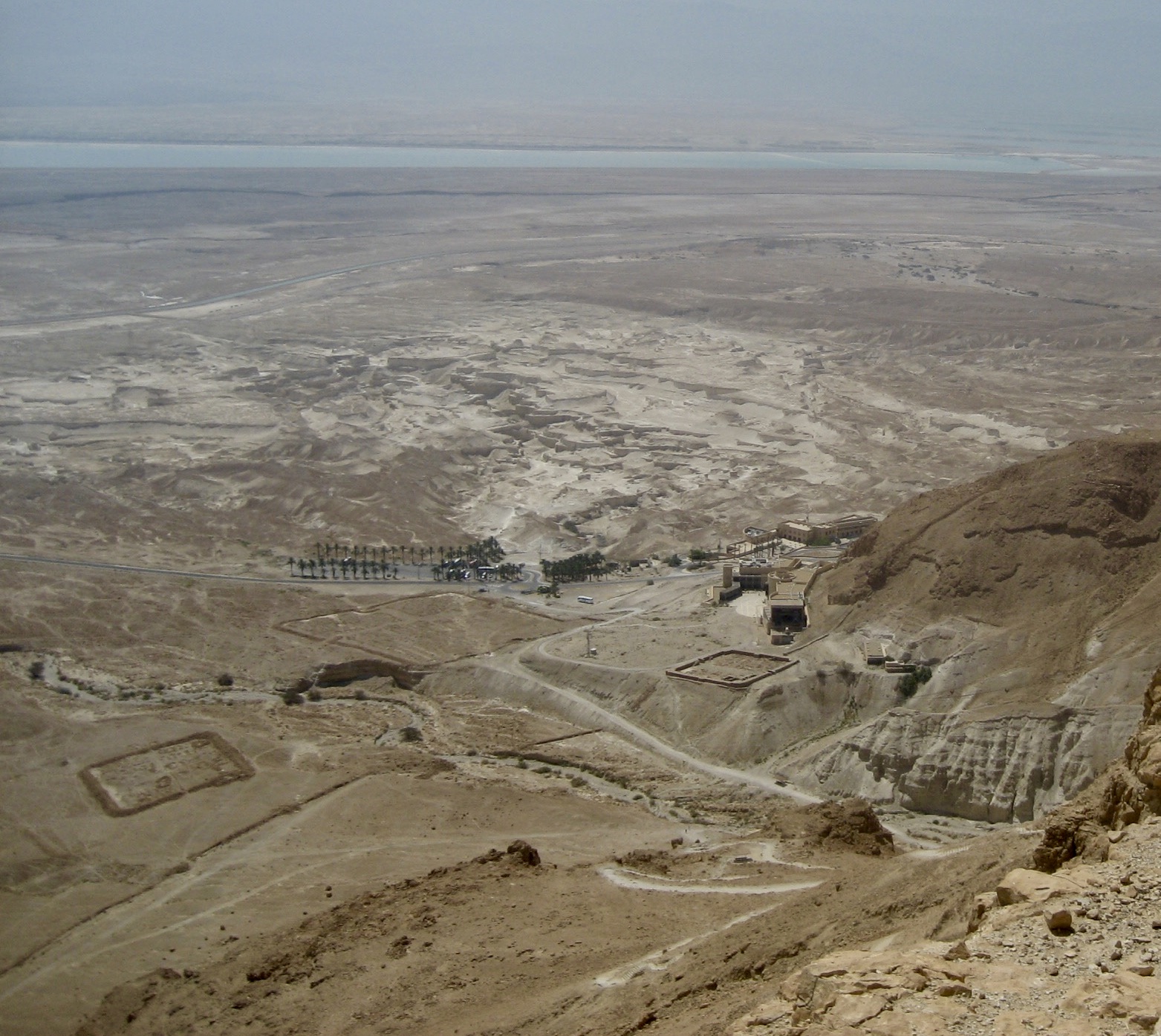
It was striking to me, visiting Gamla and Masada, how symbols can mean different things to different people. Both places, but especially Masada, are now symbols of Jewish pride and heroism. There is a sentiment in Israel, expressed to us by our Israeli tour guide Ariel, that “Masada will not fall again.” While both places were ultimately conquered by the Romans, the Jews who were fighting there did not surrender.
For readers of the New Testament, on the other hand, the entire First Jewish Revolt is a symbol of the refusal to accept the way of Jesus. I think not only of Jesus’ predictions that the temple would be destroyed, but also of his words toward the end of his public ministry: “Jerusalem, Jerusalem, you who kill the prophets and stone those sent to you, how often I have longed to gather your children together, as a hen gathers her chicks under her wings, and you were not willing. Look, your house is left to you desolate” (Matt 23:37–38).
All this makes me think about symbols and how they are interpreted differently. Premkumar Williams wrote this in an essay in a book called Everyday Theology: How to Read Cultural Texts and Interpret Trends:
Symbols can be very potent in the way they bring order to our seemingly chaotic experiences and give them appropriate meaning. At a ball game, the singing of the national anthem might mean more to a veteran than to the person next to him. His training and time spent away from home, views on life and sacrifice, scars and skirmishes, all are brought to attention when he stands with his hand over his heart. By itself, the anthem is but a piece of music, but for him (and many others) it is a potent symbol. Shared memories and experiences are embodied in the symbols that accompany a healthy community. Recalling a common past is a significant way to re-member (put the body back together) who we are. (125–126)
“Recalling a common past” through symbols helps to bind a group together, but sometimes it leads to blind spots. What if the national anthem means different things to different people, the way Masada is a symbol of heroism to some and foolish pride to others? I don’t want to minimize the importance of symbols; I think it’s impossible to live without them. But I do think that recognizing that symbols mean different things to different people is a way to exercise humility and be open to hearing the experiences of others. You may still disagree with each other in the end about the nature of reality and the way to move forward (I still believe in the New Testament interpretation of the First Jewish Revolt rather than the modern Israeli one), but seeking to understand how symbols operate can minimize blind spots and give you a fuller understanding of reality.
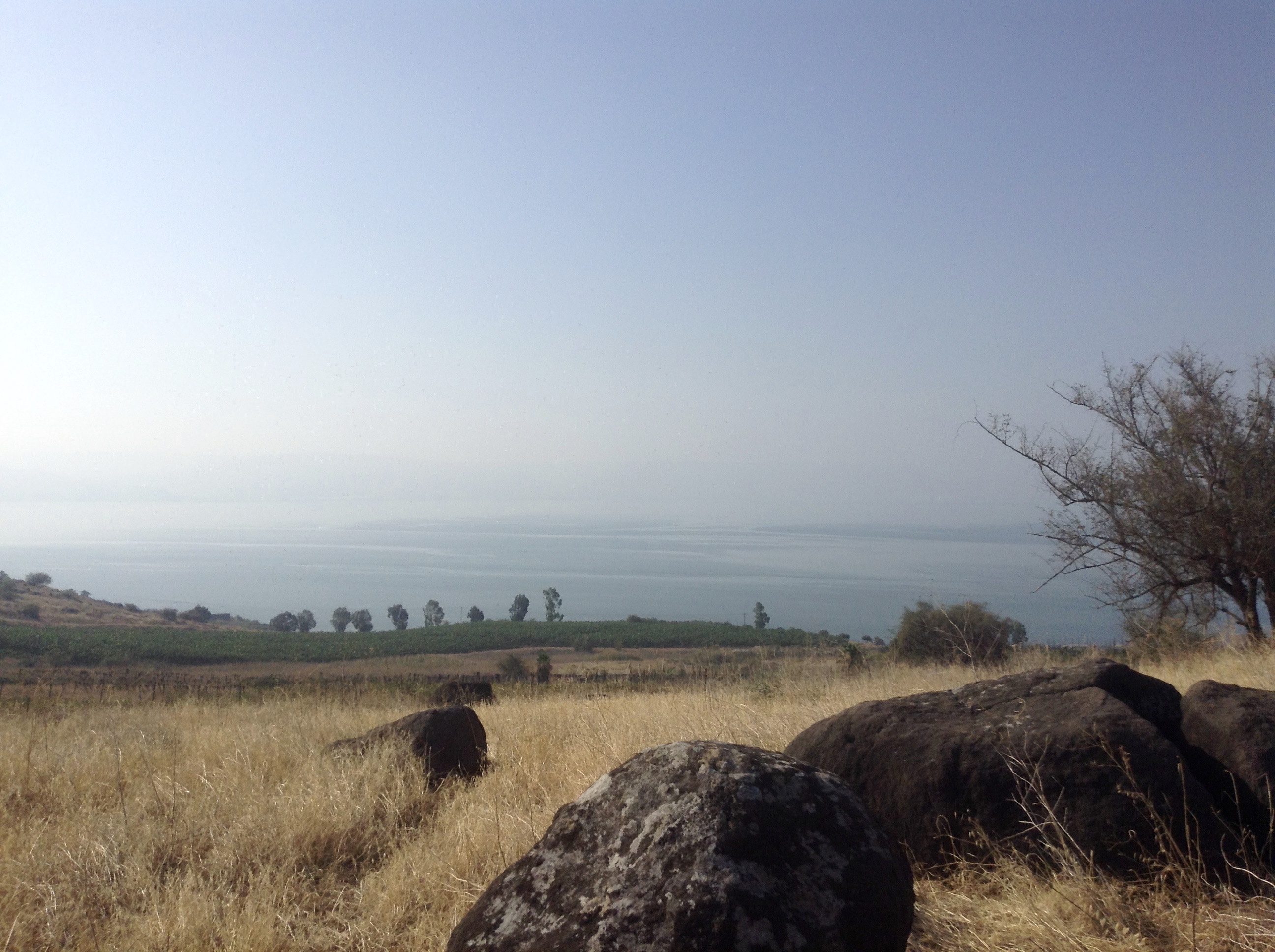 Afterward we visited the site of Capernaum, which served as Jesus’ headquarters during his Galilean ministry. It is home to a synagogue from the fourth century, which was built on top of a previous synagogue that dates to the time of Jesus.
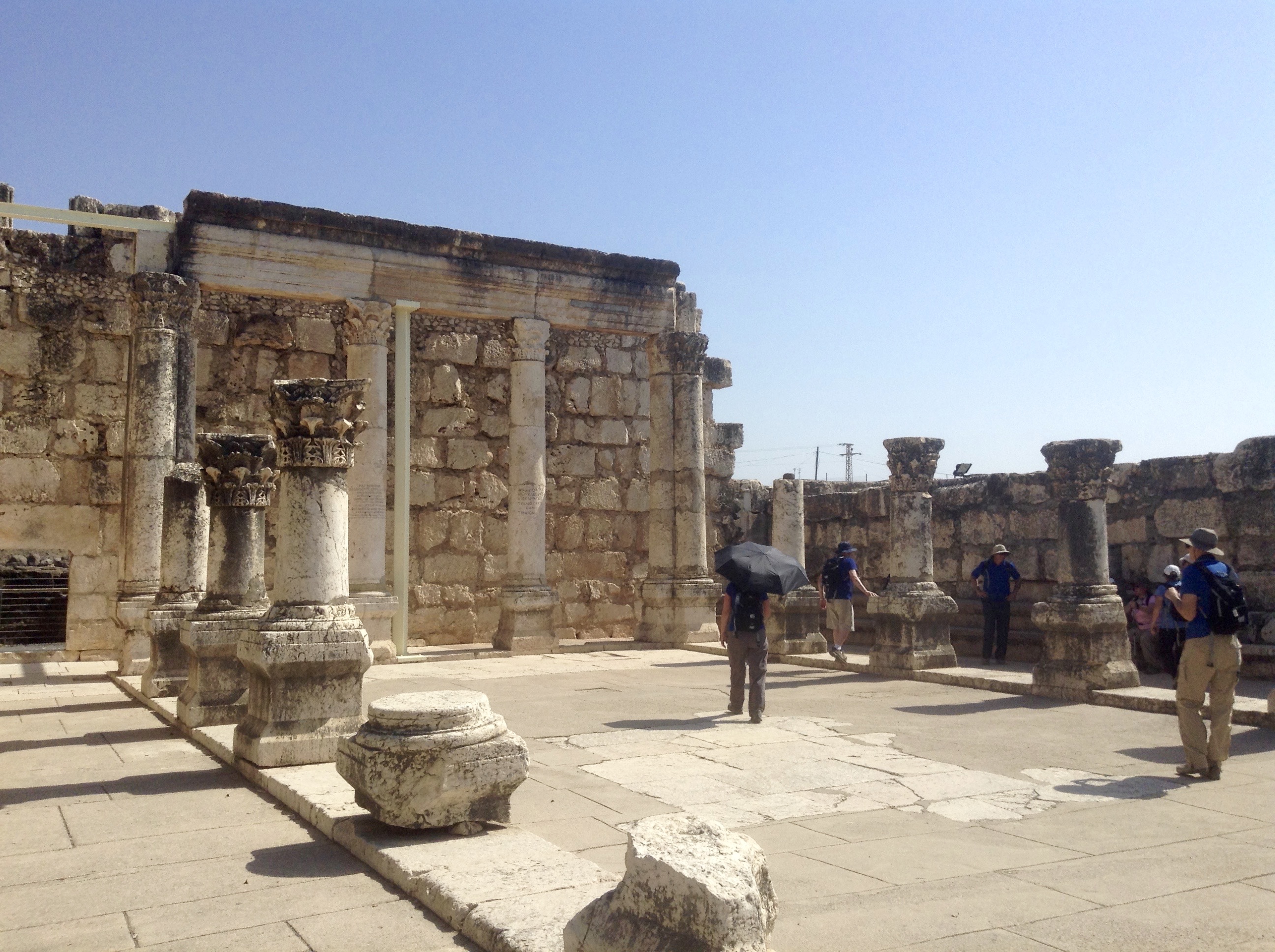 Our third stop that morning was Chorazin, another one of the small Galilean towns where Jesus spent much of his ministry. Then, after stopping for some falafel, we went to Qatzrin, a reconstructed Israelite village. Our group leader, Tim, took us there so we could have a better idea of what ancient villages really looked like, including intact rooms and thatched roofs held up by wood beams. We sat inside a house for a bit while Tim recounted for us the story of the paralyzed man whose friends lowered him through the roof.
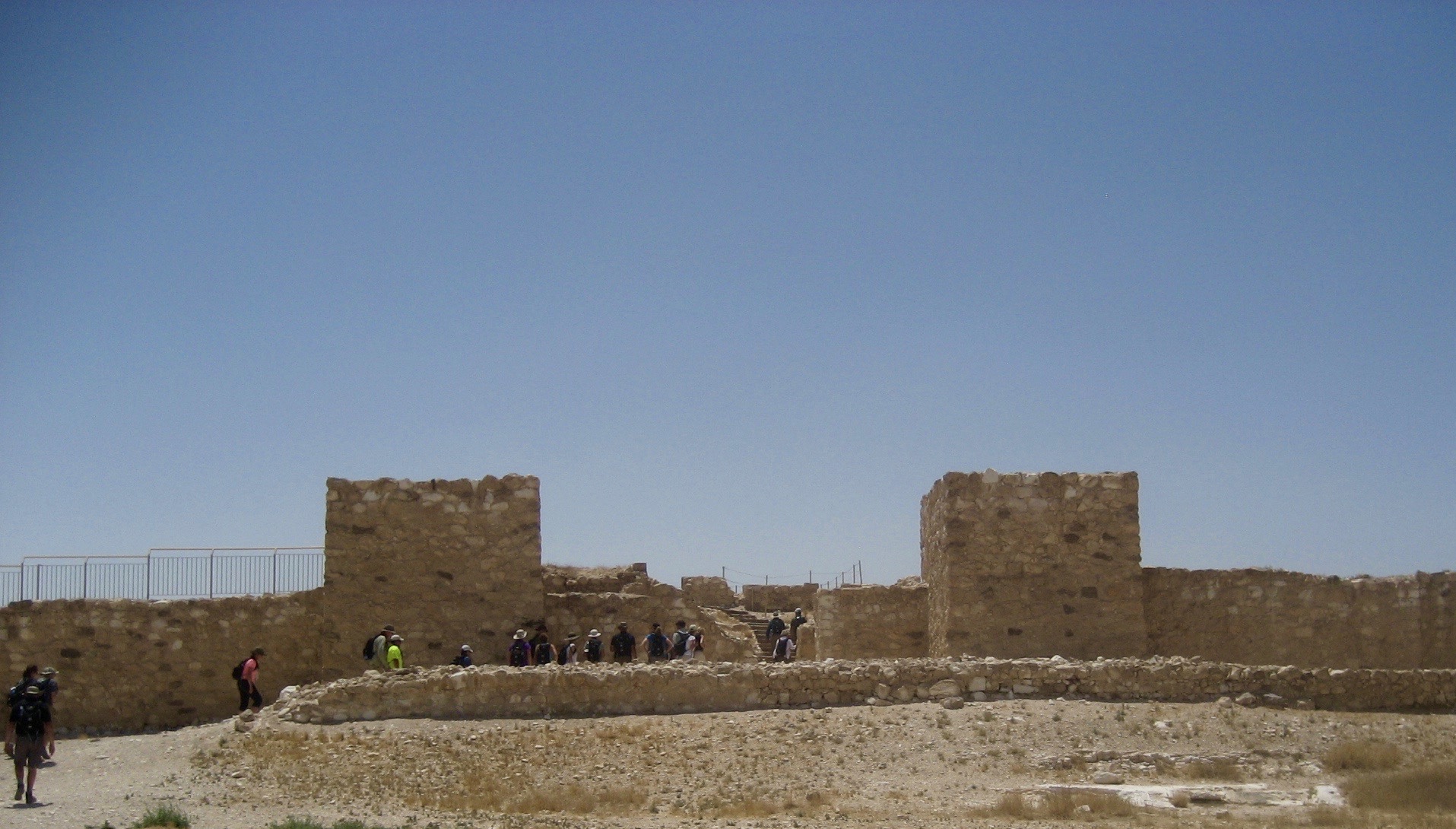 The most interesting find at Arad is a temple that bore some similarity to the one in Jerusalem. There was an altar in a courtyard (with the same dimensions as the one in Exod 27:1), a holy place, and a holy of holies, where a tablet and two small incense altars were found. This temple, which seems to have been dedicated to the worship of Yahweh, was not destroyed or gradually dismantled. It was carefully buried. In the eighth century BC, King Hezekiah of Judah tried to centralize Yahweh worship in Jerusalem and put a stop to syncretism—worshiping Yahweh along with other gods. The burial may have been part of this reform, which is referenced in 2 Chronicles 32:11–12 (see also 2 Kgs 18:22; Isa 36:7; 2 Chr 31:1):

 On the morning after hiking in the dry
  Tim told us that in Numbers 15:38, the Israelites were commanded to wear tassels on the end of their robes. These were called tzitzit. Jacob Milgrom writes in the JPS Commentary on Numbers: “The nature of tsitsit is illuminated by the literature and art of the ancient Near East, which shows that the hem was ornate in comparison with the rest of the outer robe. The more important the individual, the more elaborate the embroidery of his hem. Its significance lies not in its artistry but in its symbolism as an extension of its owner’s person and authority.”
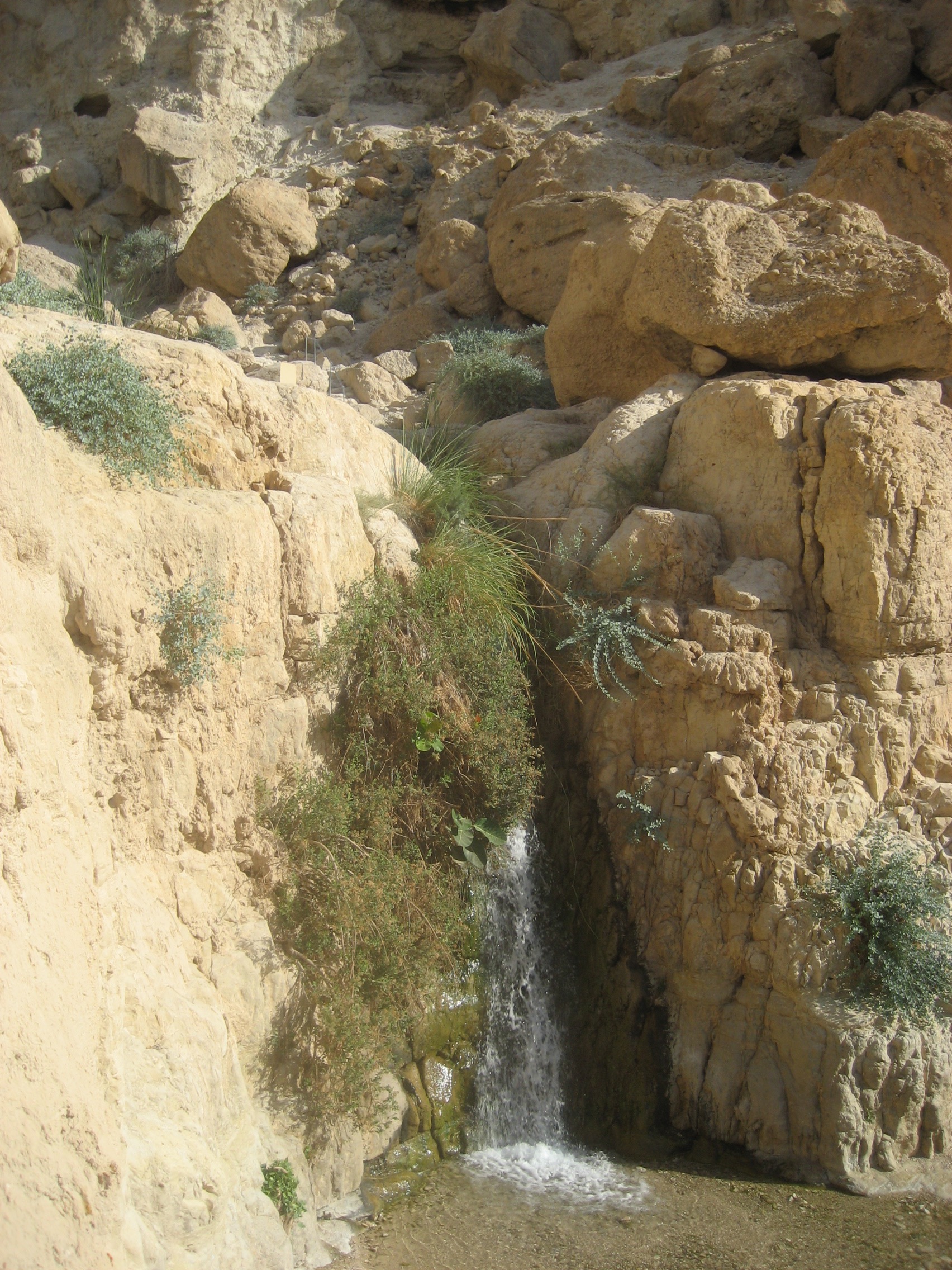
  At the end of our time there, Tim asked, “If life can sometimes be a desert, why do we only dip our toe in the water? Why don’t we have a deeper experience of the water source? Why only a little taste?” I think the reason I don’t often have a fuller experience of living water is that I like to keep up the illusion of control. We’re helpless when we enter this world, and we’re often helpless just before we leave, but for a long stretch in the middle we can pretend that we can make it on our own, that we’re not absolutely helpless and dependent. Letting go of whatever scraps of pretended control I’m clinging to feels scary. I’m made to live by faith, but much of the time I resist and make life harder than it needs to be. I’d rather stay in the desert that I’ve deceived myself into believing I can control than be carried along in living water.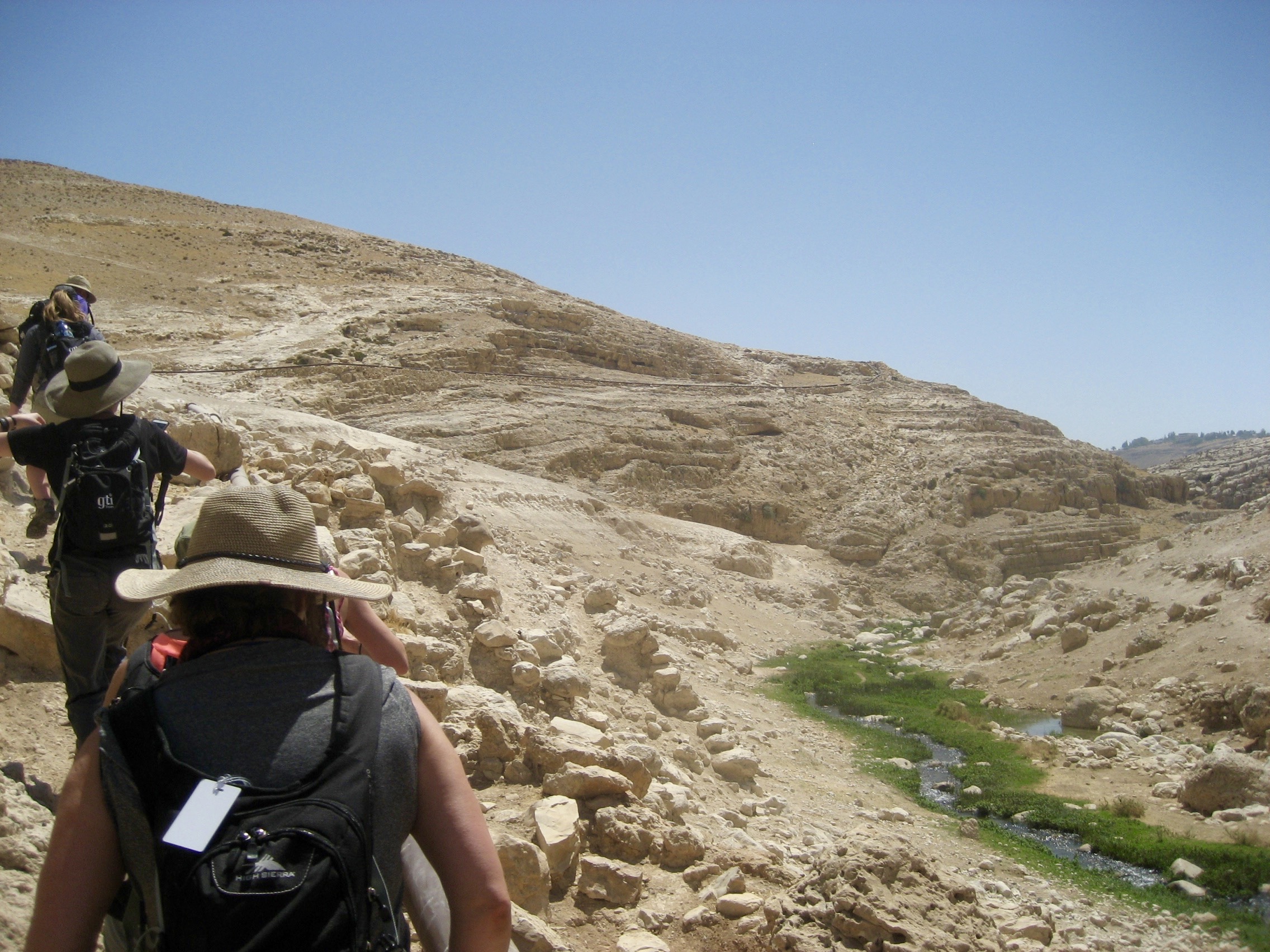
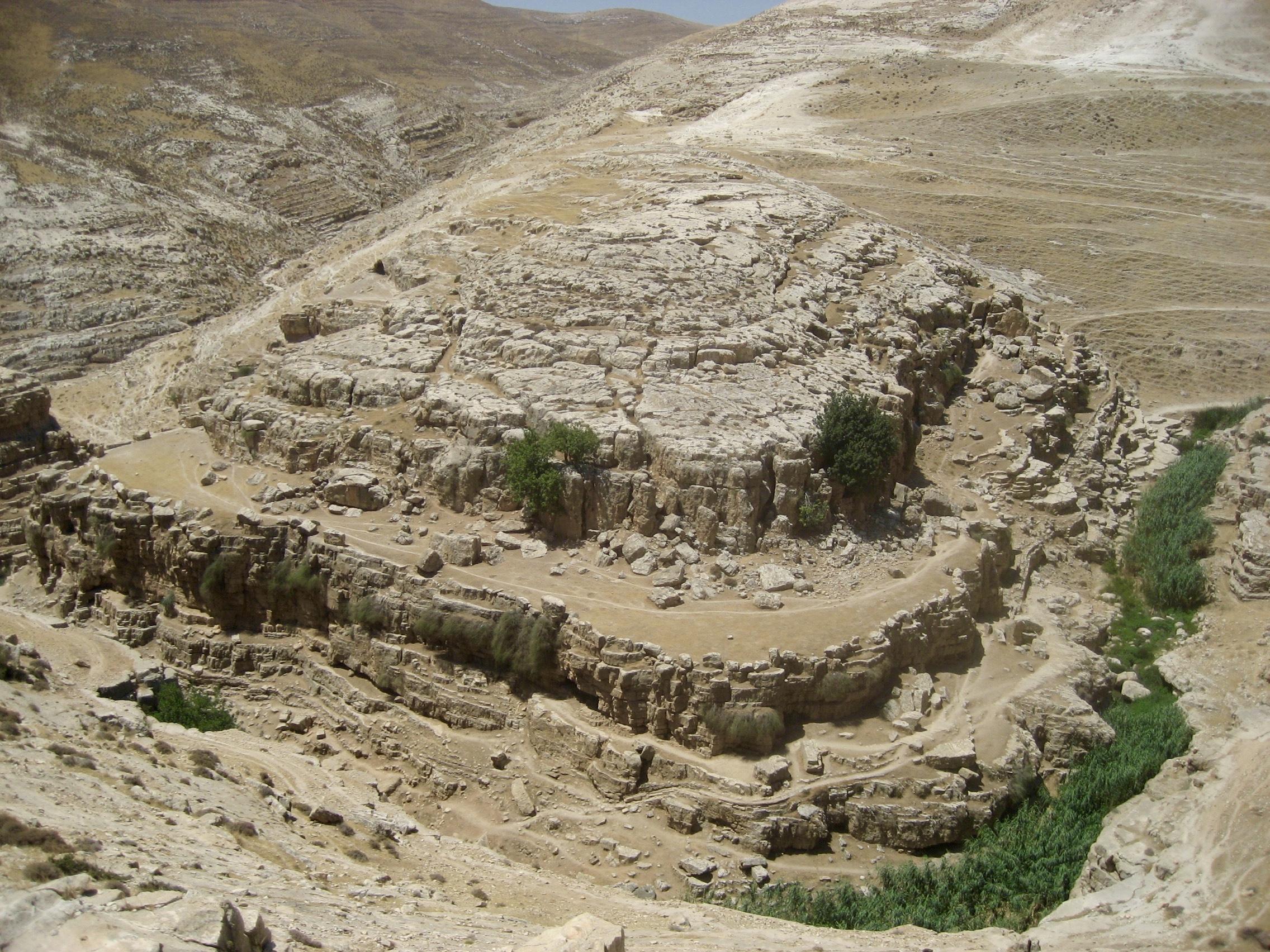 God himself is represented in Scripture by tsel. Several psalms talk about taking refuge in the shadow of God’s wings (Pss 17:8; 36:7; 57:1; 63:7). Others call God tsel more directly: “Whoever dwells in the shelter of the Most High will rest in the shadow of the Almighty” (Ps 91:1); “The Lord watches over you—the Lord is your shade at your right hand” (Ps 121:5).
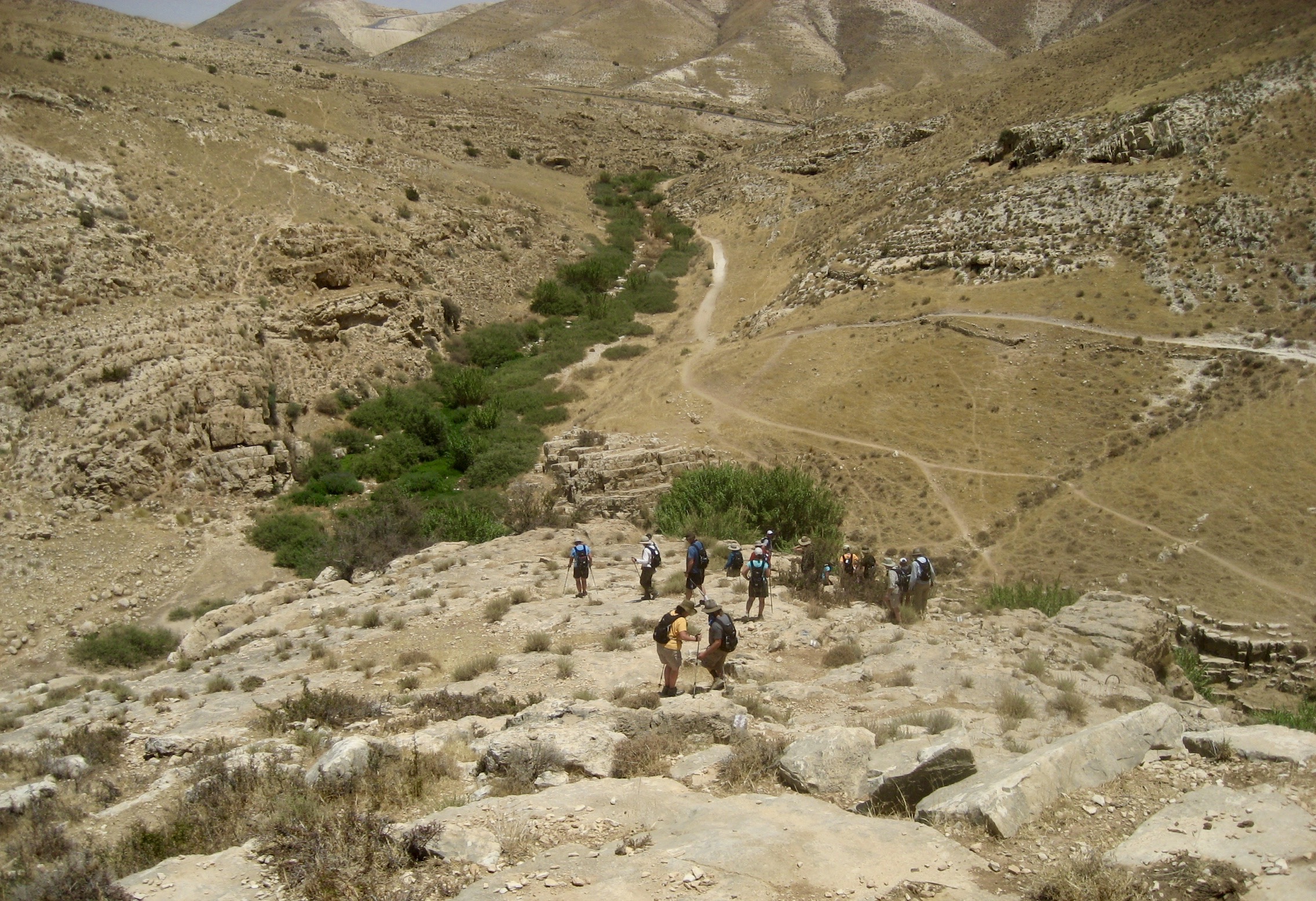 I don’t think stopping and waiting was especially heroic; just about everyone in our group who was able to help someone else did so in one way or another. But I do think that stopping and waiting when I had the ability and inclination to go on was crucial for me. That moment of deciding to serve was a pivotal point of the trip, and I think many others in the group had similar moments on that hike.


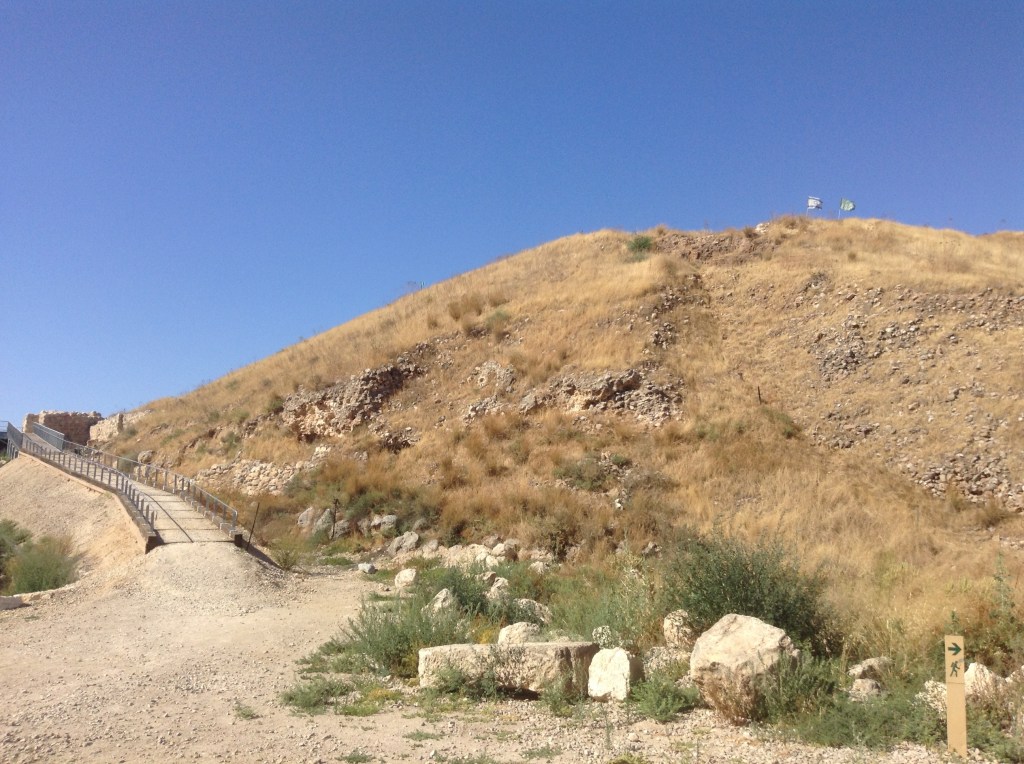
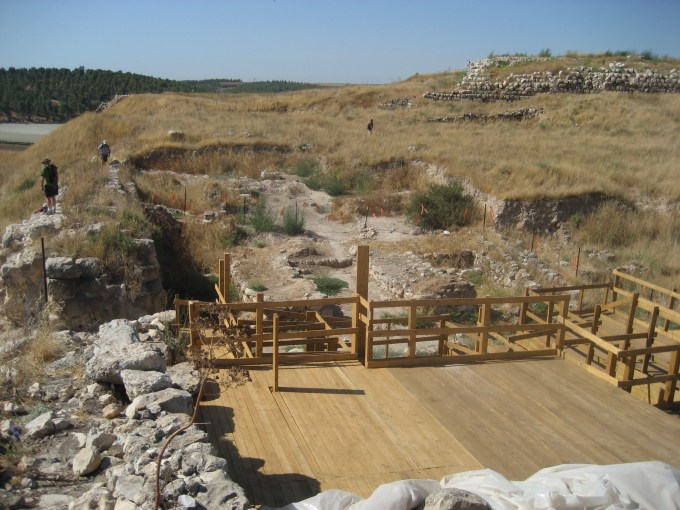
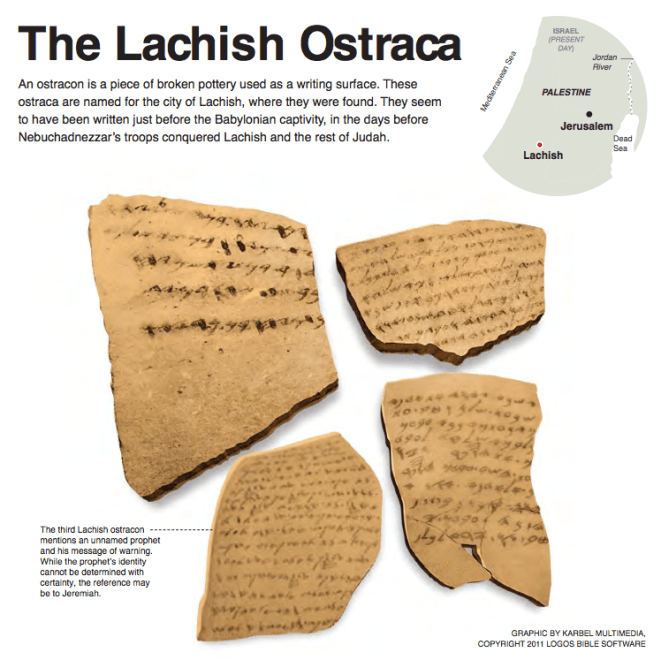 At Lachish, we sat at the base of the tel and talked about Hezekiah’s response to Sennacherib, taking the threatening letter he received from the Assyrian king and praying over it (2 Kgs 19:14–19; Isa 37:14–20). At several places during the trip our group leader, Tim, presented Hezekiah as one of the overlooked heroes of the Old Testament. We often talk about Abraham, Joseph, David, and several others as great examples, but Hezekiah should get more credit. Of him it was said that “he trusted in Yahweh the God of Israel; there was no one like him, before or after, among all the kings of Judah” (2 Kgs 18:5). He rebelled against a major world power and believed that God would take care of his people in spite of the retaliation that would inevitably follow; that takes a lot of trust.
 Tim asked us whether, in our lives, we are there for others with our signal fires. Are we a reliable source of encouragement? Can people look to us and gain a sense that they’re not alone? I often don’t think of myself as someone that other people could look up to; I’m just muddling through like everyone else. The real role models, I tell myself, are people who are older than me. But over time, especially as I’ve found myself in more leadership roles, I’ve started to grow in my awareness that people are watching. I sometimes want to respond, “Don’t do it! I’m going to fail!” Or maybe go full Charles Barkley:
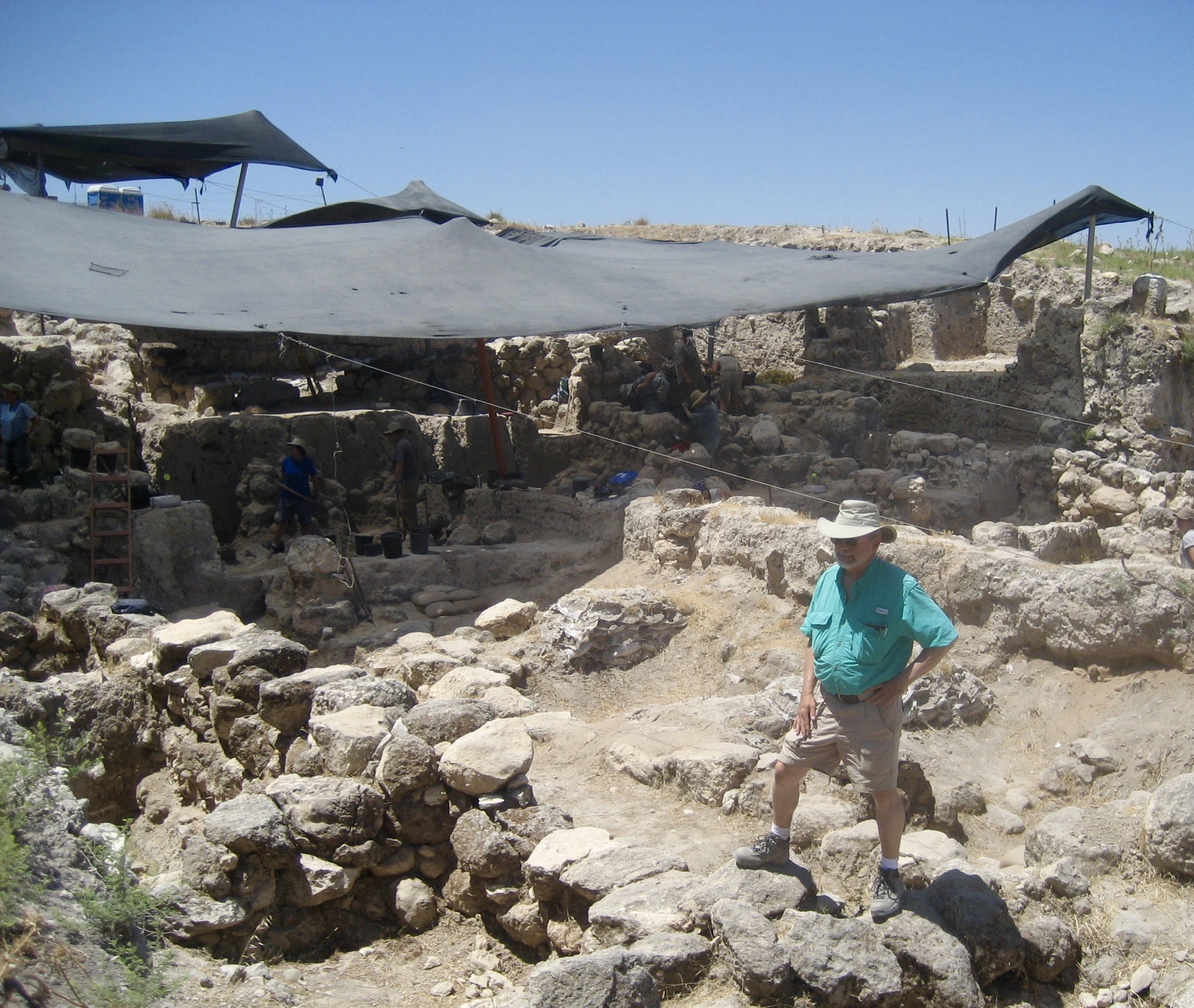
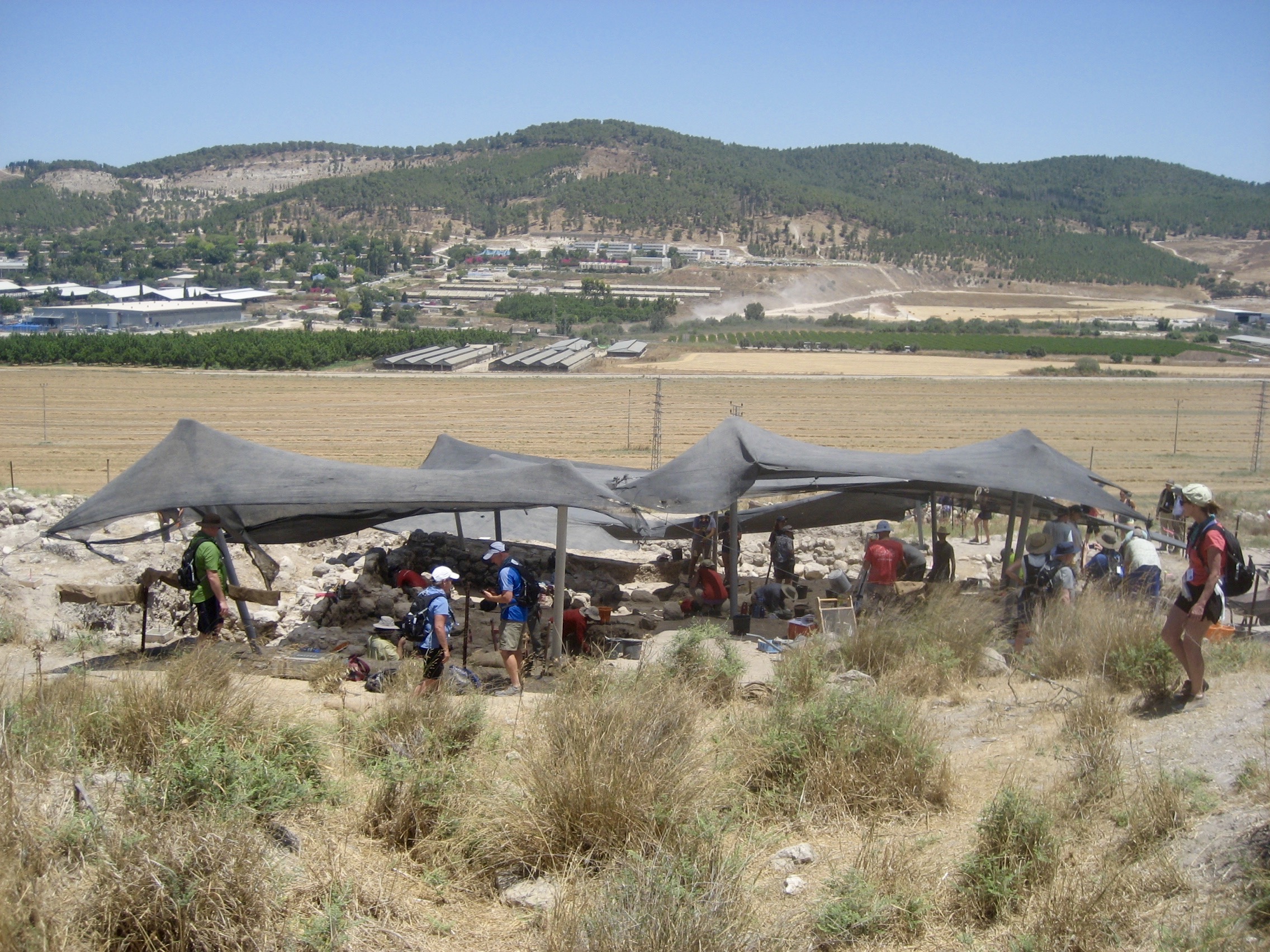
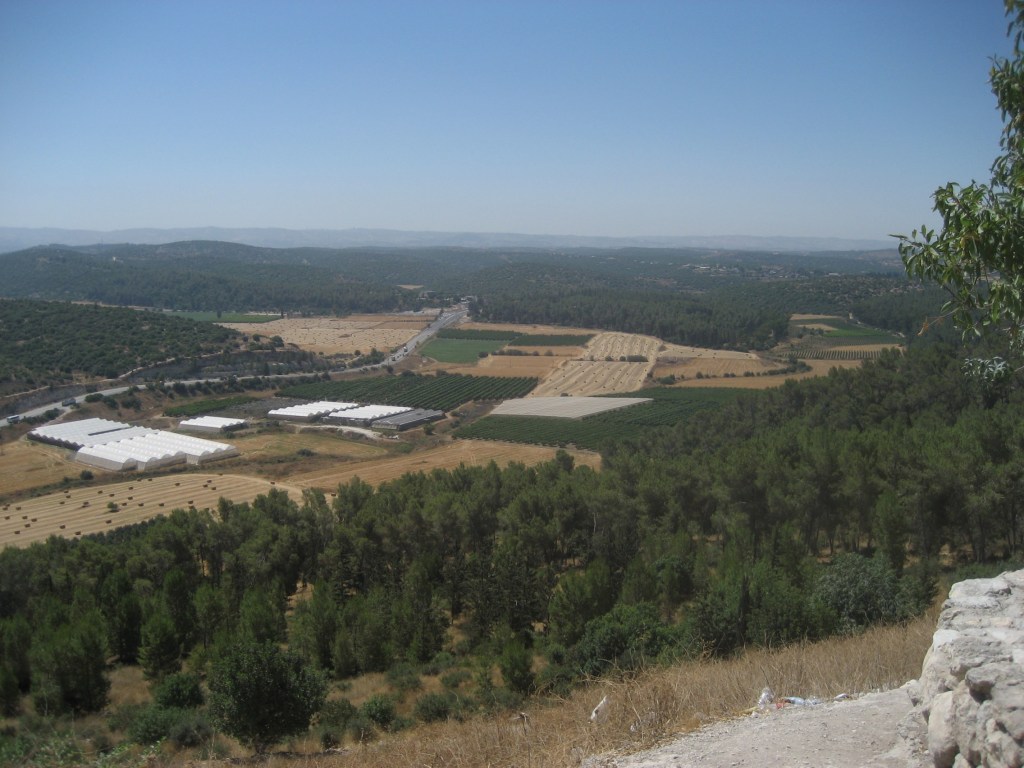
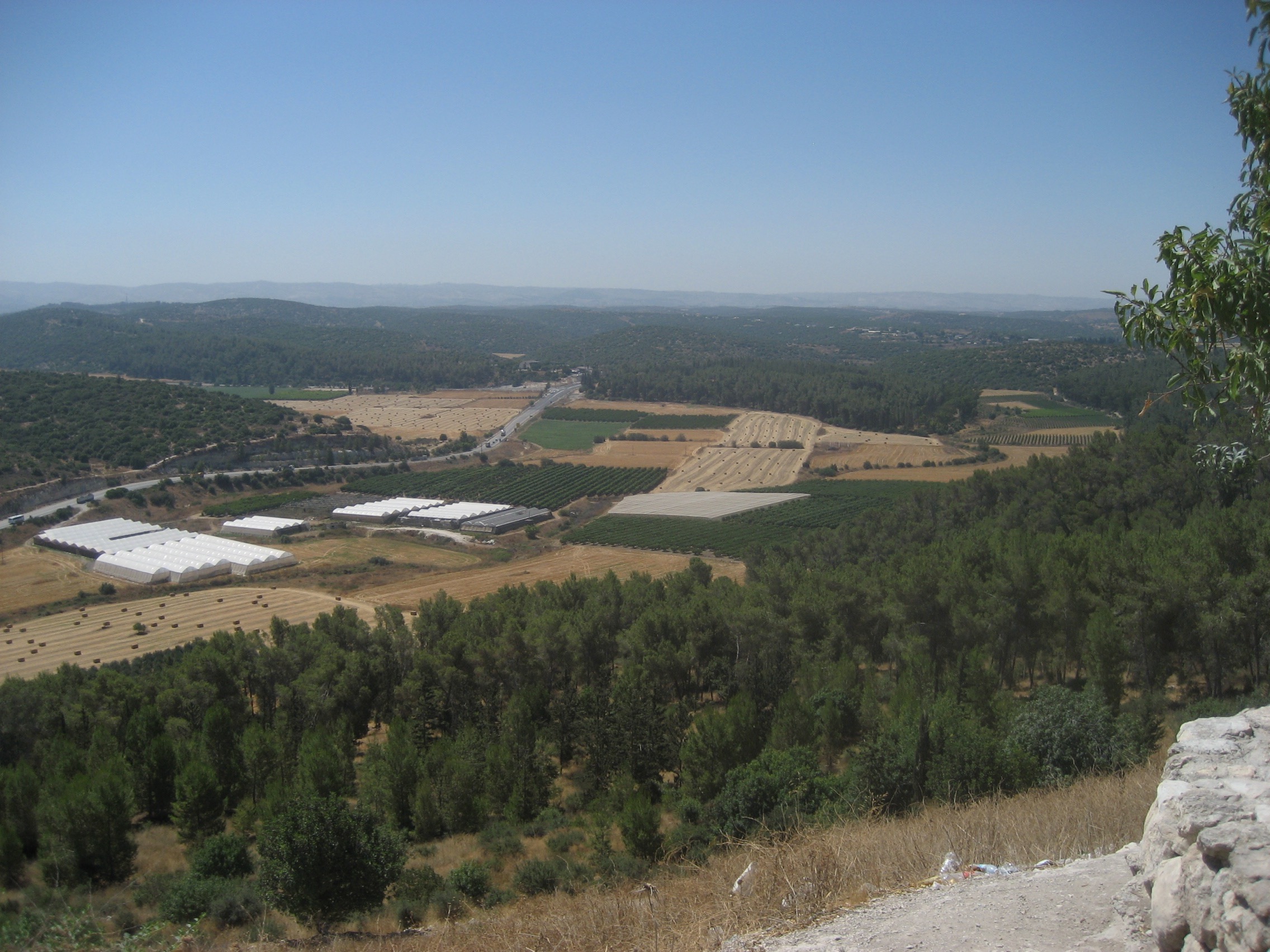
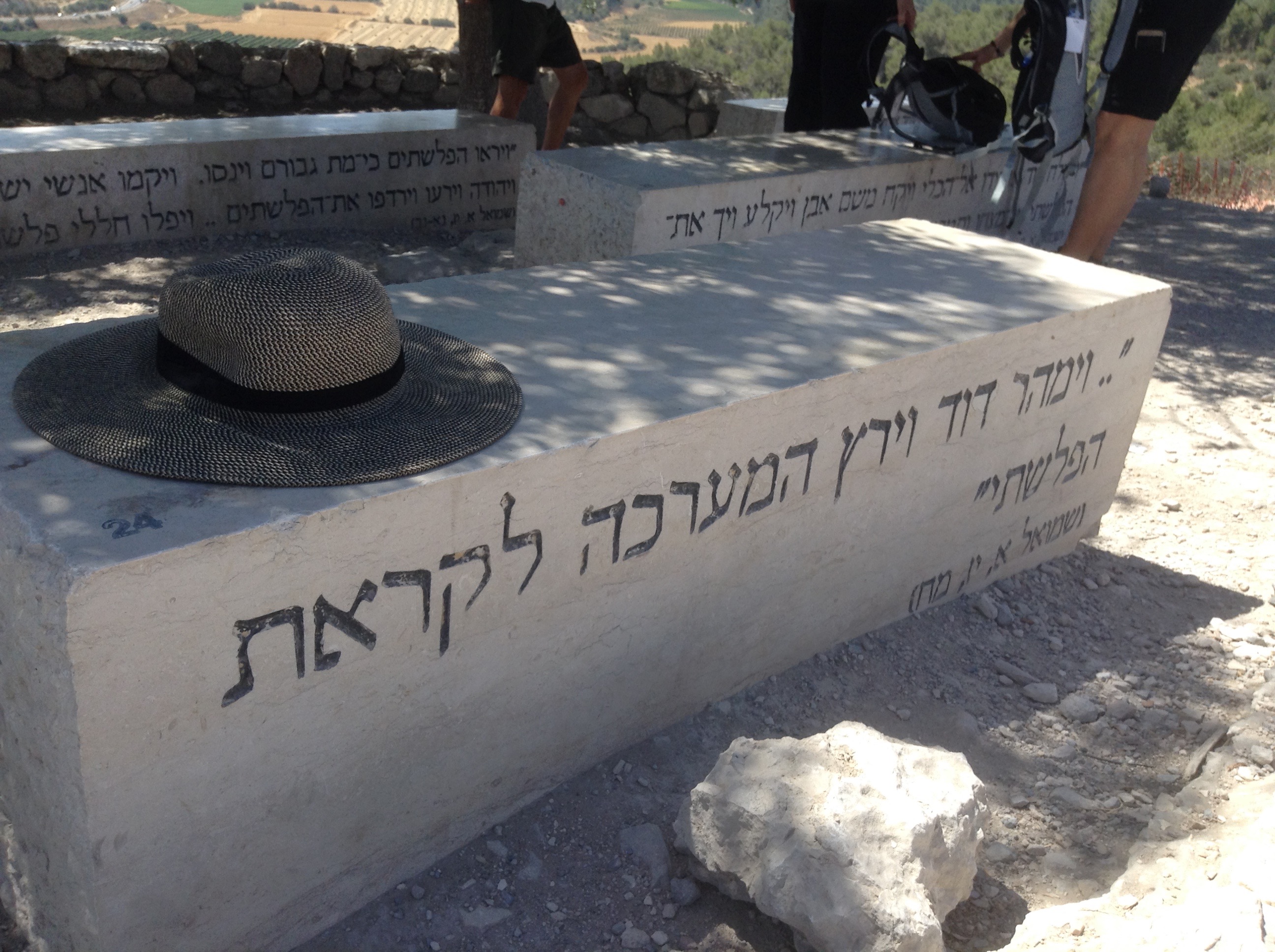 Here I reflected on the ways I so often refuse to believe that God is able and desires to act in the world. The ways I feel inadequate, like I don’t belong, like I have little to contribute, when these things are not an accurate representation of reality at its deepest level. The ways I insist on gathering more data when I know it would be better to act; I would just rather not risk being vulnerable.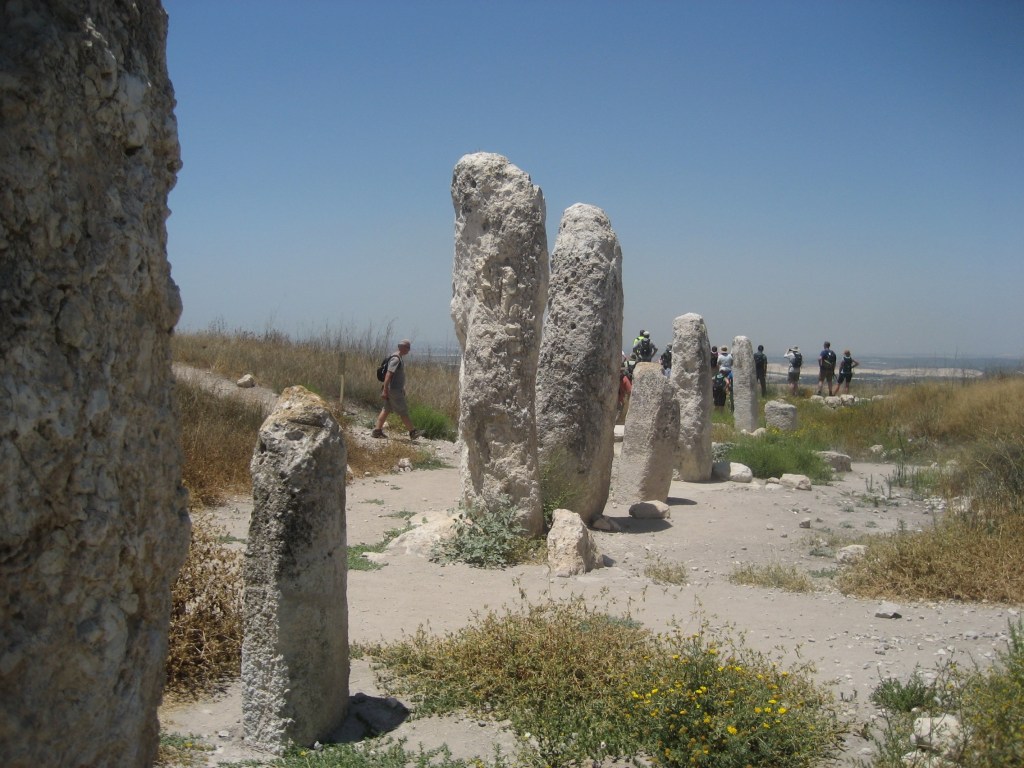
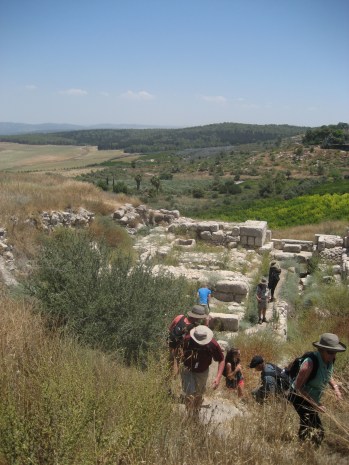 We climbed up a hill and got to Gezer, which was on the border between the coastal plain and the Judean foothills (Shephelah). It was on a trade route between Jerusalem and the Via Maris along the Aijalon Valley, which runs east-west. You can look out from the site and get a broad view of the coastal plain to the west. There is a gate that dates to the time of Solomon. It is similar to those found at Hazor and Megiddo, which Solomon also fortified (1 Kgs 9:15–17). Solomon almost certainly went there, either to sit as judge or to check on the progress of the fortifications. There is a destruction layer that dates to around 950 BC, which is what one would expect from the biblical account, in which the Egyptian pharaoh conquered it and gave it to Solomon. Another destruction shortly thereafter may date to the raid of Pharaoh Shishak around 924 BC (1 Kgs 14:25). There is another destruction layer dating to around 732 BC, which would come from the conquest of the Assyrian king Tiglath-Pileser III. The Gezer Calendar was found there; it may be the earliest-known specimen of Hebrew writing, and would also be a cool name for a band.
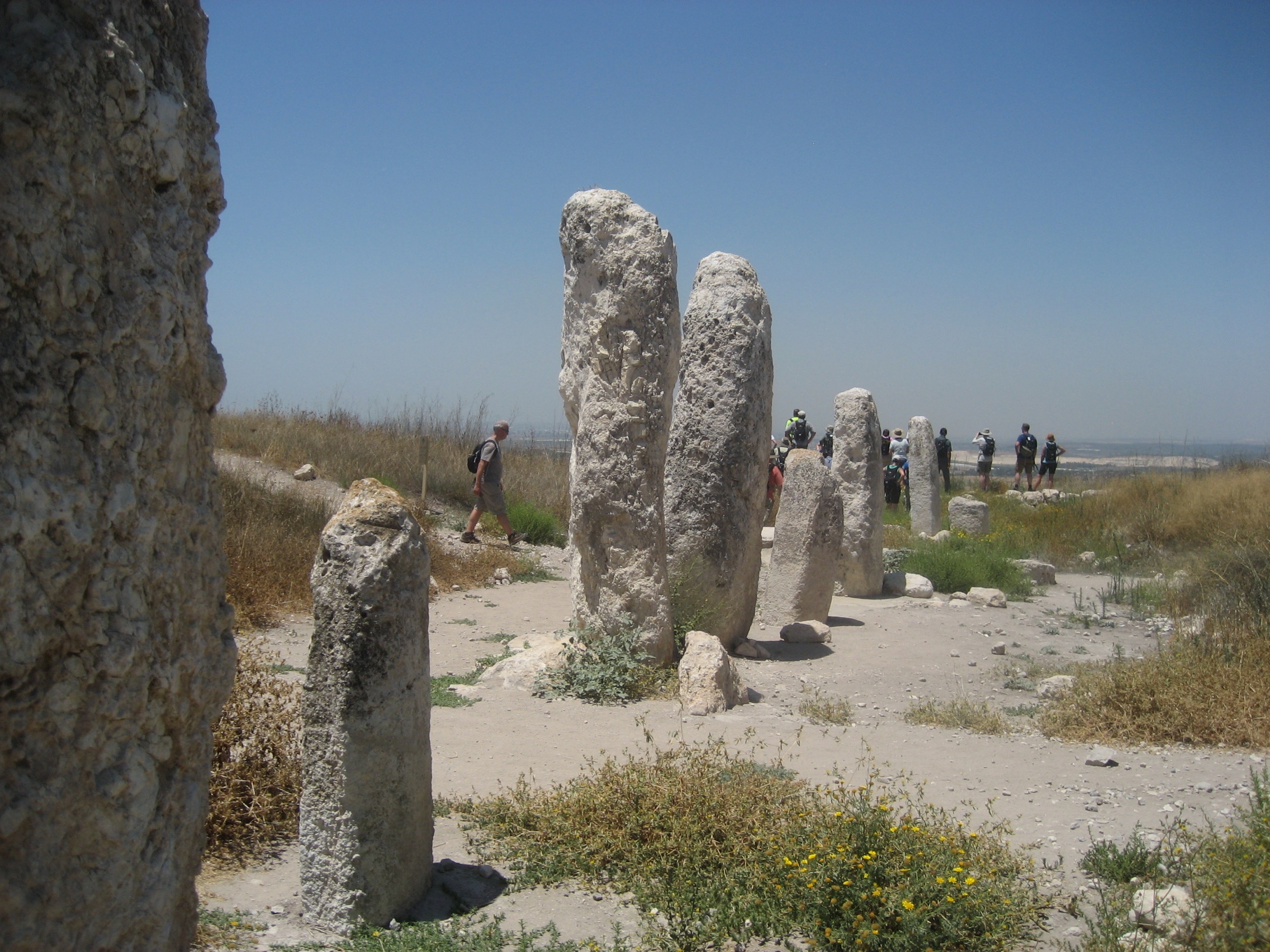 This trip was itself a massebah. It will serve as a reminder of what God has done. But memorial stones and other reminders of God’s actions can be misused. In 2 Kgs 18:4, King Hezekiah smashed the massebot in his kingdom, and also broke apart the bronze snake that Moses had lifted up in the wilderness. Its original purpose had been good, but the people began to burn incense to it, looking to it as a means to control their environment. This was idolatry, and the snake was no longer a reminder of what God had done. It had to be destroyed.
 Elliot Ritzema