Four years after the Catholic priest and spiritual writer Henri Nouwen died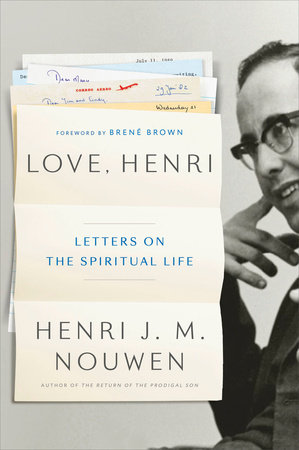 , Gabrielle Earnshaw began archiving his correspondence. Now, to commemorate the twentieth anniversary of his death, she has collected some of these letters and released them as Love, Henri: Letters on the Spiritual Life (not to be confused with the essential oils company “Love Henri,” which I just learned about while writing this).
These letters span about twenty-two years of Nouwen’s life, from 1973, when he was teaching at Yale Divinity School, to his death in 1996 when he was pastor to the L’Arche community near Toronto. Each is prefaced with a brief intro that explains who the recipient was and the occasion of writing. Together, they depict a man who took friendship and his role as a pastor seriously, who cared deeply for people and wanted them to draw close to God. For example, he wrote this at the end of a letter evaluating a student’s paper:
By becoming one with us, God revealed himself as God to us. Thus the experience of our humanity as a forgiven weakness leads us to the heart of God’s love for us and to the center of His forgiving presence in our life. Therefore I think that your story is the story with which you can come to know God’s story better, and it is His story that makes our story worth living. (41)
While he wrote many books, he regarded his ministry of being present to people as the heart of his calling:
When I think about my life and my work, I think about it more as a way of being present to people with all I have. I have always tried to respond as honestly as I possibly could to the needs and concerns of the people who became part of my life, and I have tried to respond with whatever my own life has taught me. … I do not remember ever having to sit down “to write a book.” The publications that you know are more a result of speaking with people, sharing my own life with them and trying to give words to what often remains hidden under the threshold of our consciousness. (72)
As I read this book I learned much about the value of friendship, the need for vulnerability, and the nature of spiritual direction. These are letters from a man who reflected deeply on the spiritual life and who was deliberate about pointing his friends to the love of God in Christ. While he had many struggles of his own throughout his life—and these also come out in the letters—he always seemed to make time to help a friend in need. In fact, he wanted to use his own struggles to help others by being open about them. In this way, he thought, they would be “a source of consolation and healing.”
I was also struck by the value of archival work (my mind went in this direction in part because my wife trained as an archivist). I’m thankful to Gabrielle Earnshaw (and Sue Mosteller, Henri Nouwen’s literary executrix) for taking the time and effort to select and introduce these letters. They have given readers a wonderful gift.
Note: Thanks to the publisher for a review copy of this book.
 J. Daniel Hays has written a useful little book for people who are curious about the physical spaces where God was worshiped in the Bible: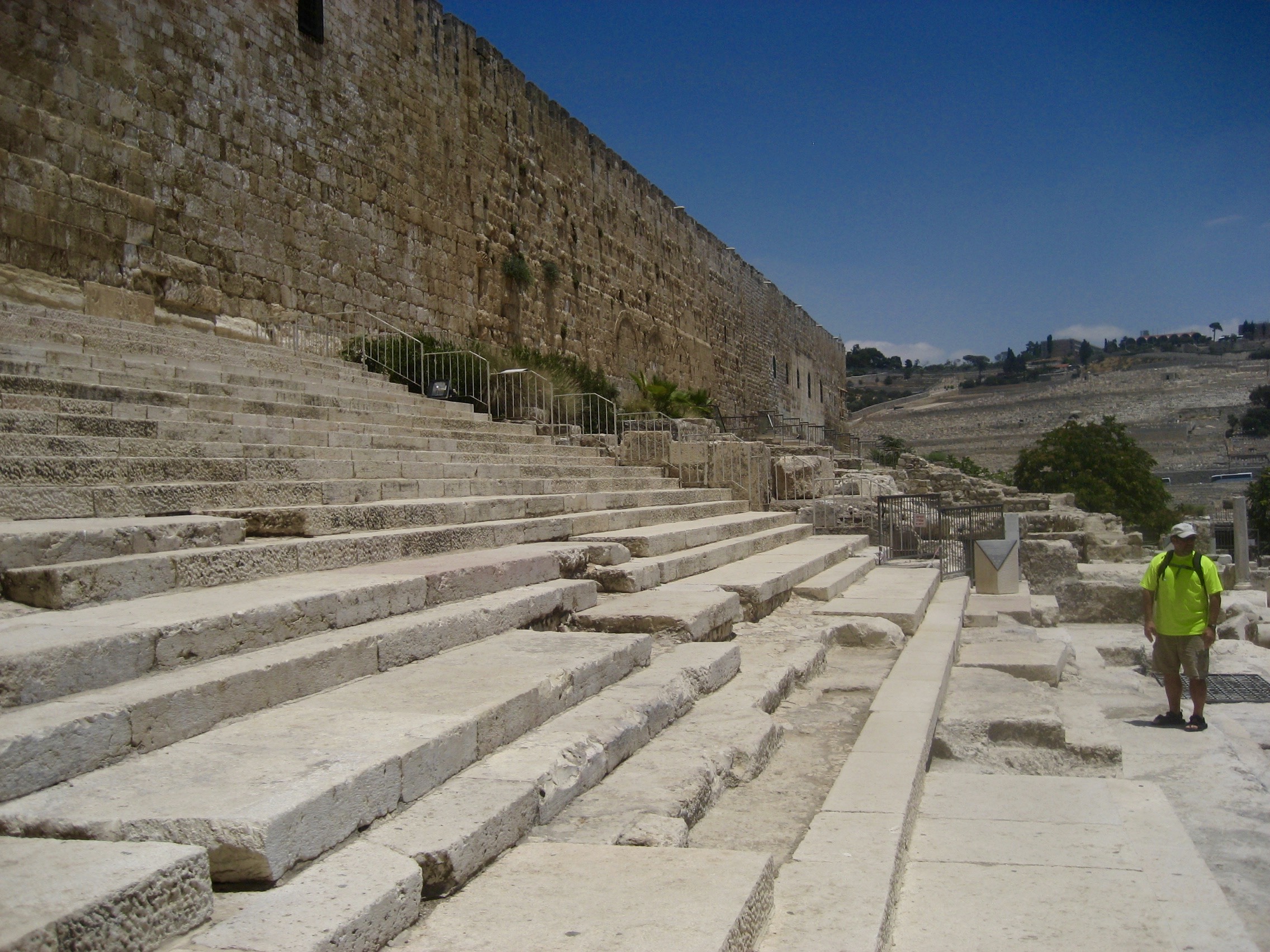
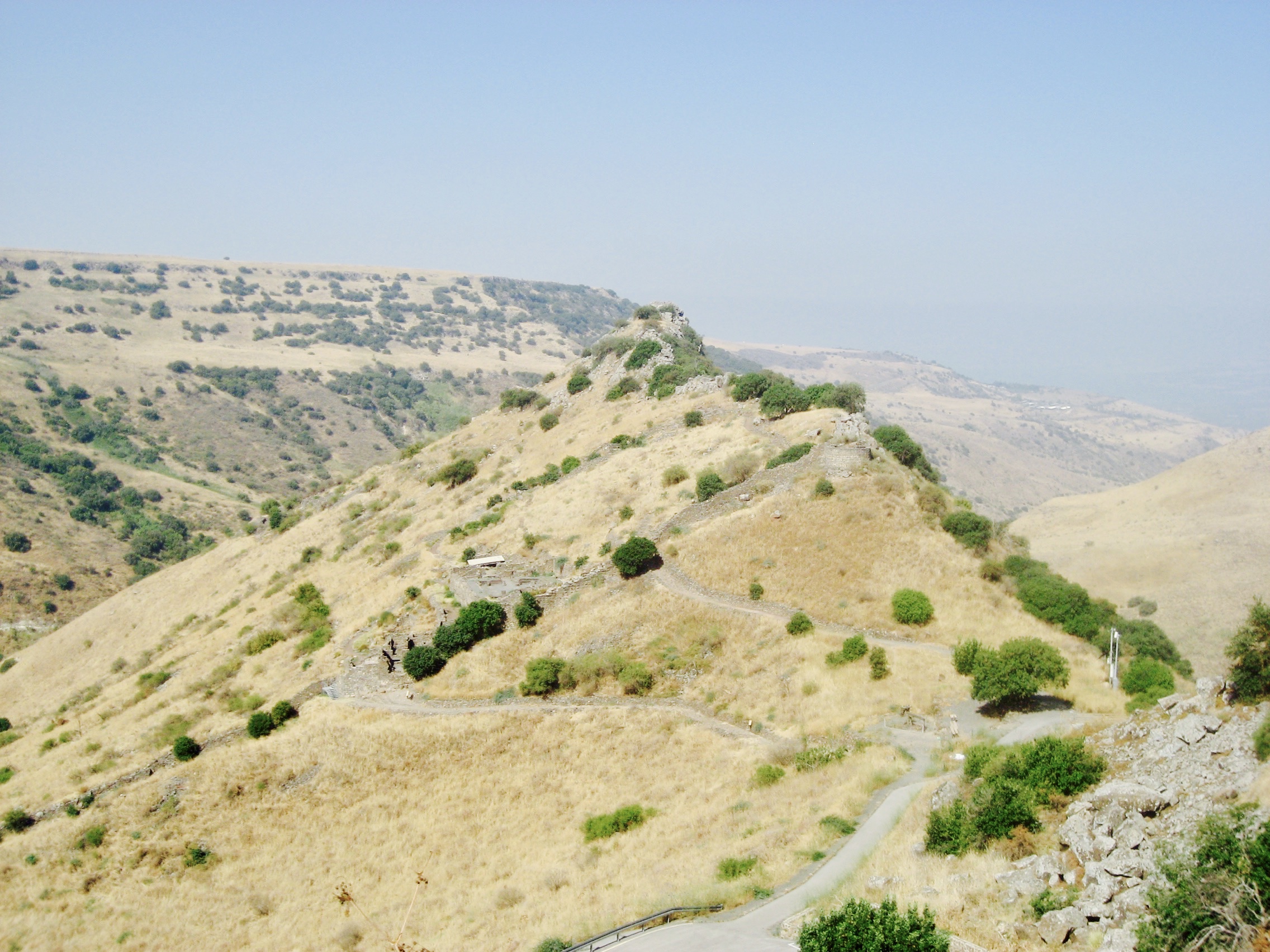
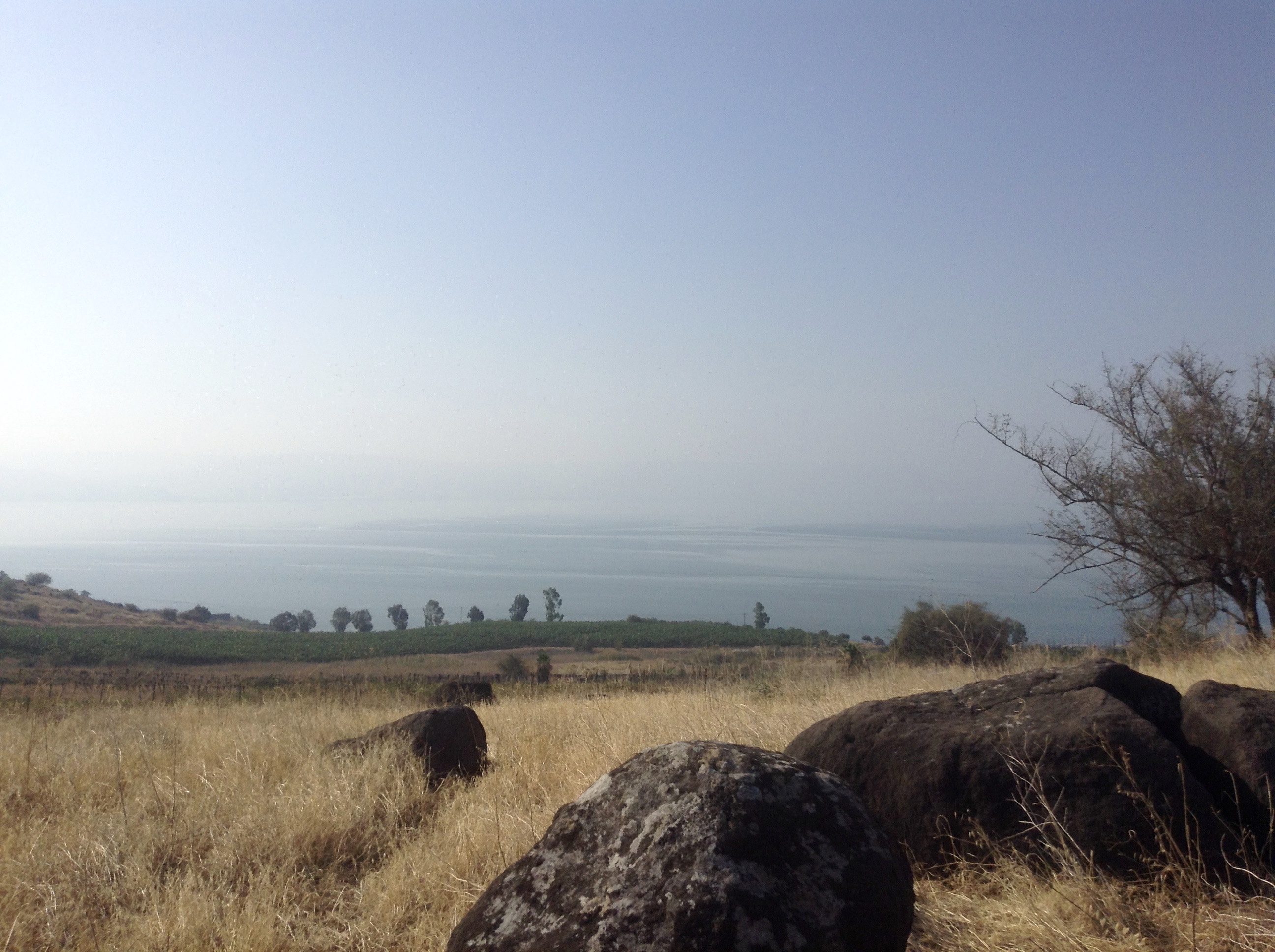 Afterward we visited the site of Capernaum, which served as Jesus’ headquarters during his Galilean ministry. It is home to a synagogue from the fourth century, which was built on top of a previous synagogue that dates to the time of Jesus.
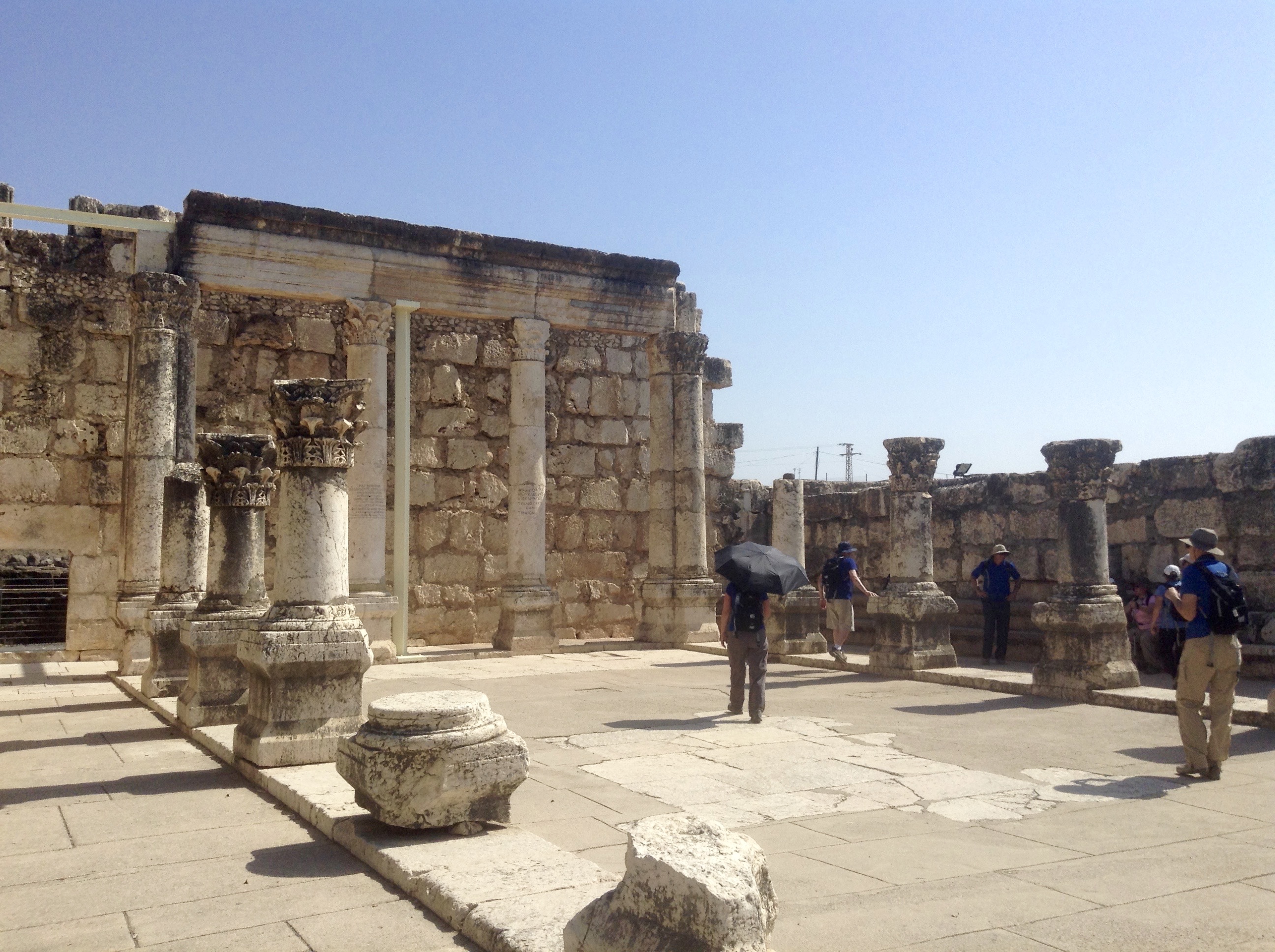 Our third stop that morning was Chorazin, another one of the small Galilean towns where Jesus spent much of his ministry. Then, after stopping for some falafel, we went to Qatzrin, a reconstructed Israelite village. Our group leader, Tim, took us there so we could have a better idea of what ancient villages really looked like, including intact rooms and thatched roofs held up by wood beams. We sat inside a house for a bit while Tim recounted for us the story of the paralyzed man whose friends lowered him through the roof.
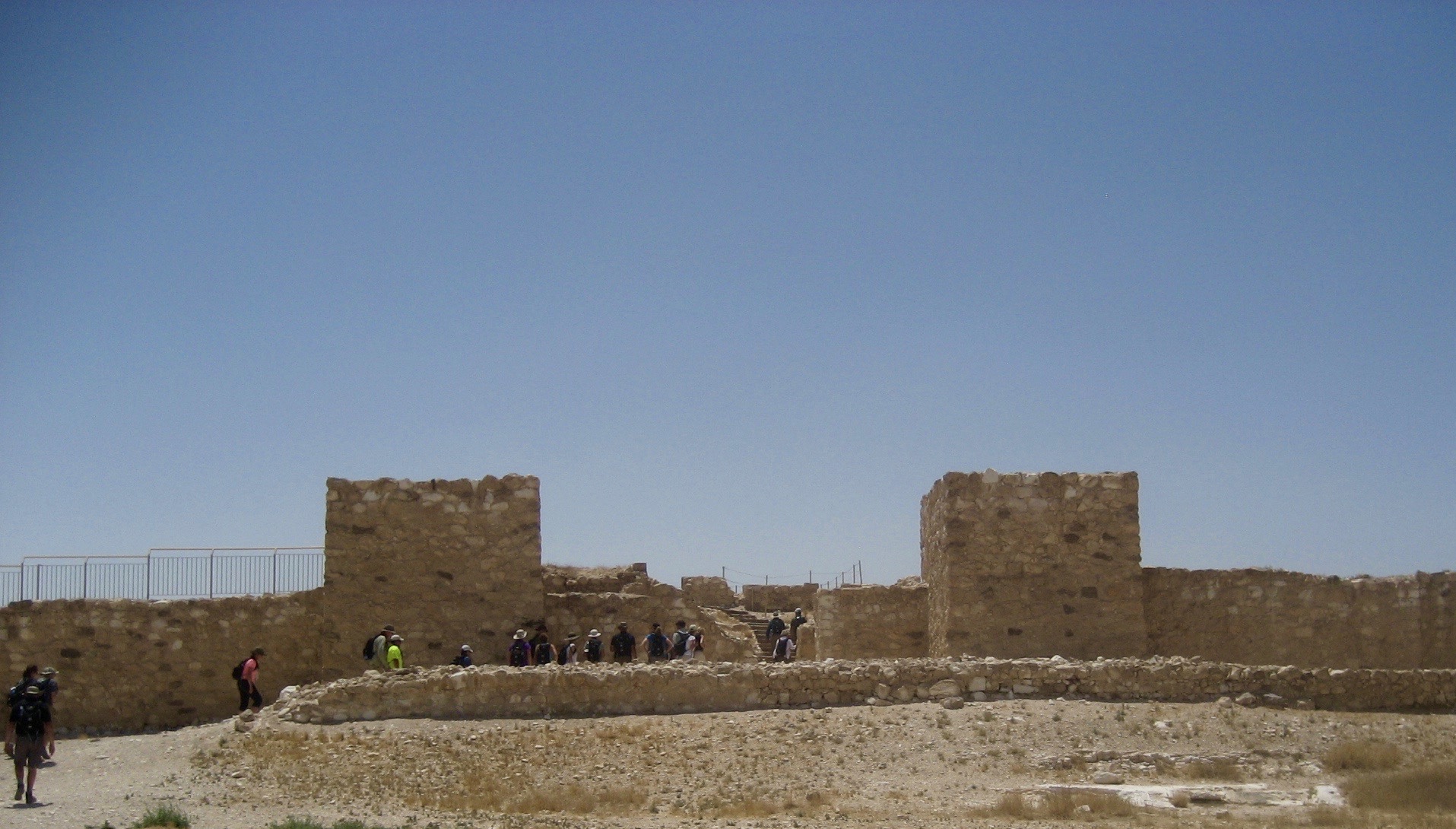 The most interesting find at Arad is a temple that bore some similarity to the one in Jerusalem. There was an altar in a courtyard (with the same dimensions as the one in Exod 27:1), a holy place, and a holy of holies, where a tablet and two small incense altars were found. This temple, which seems to have been dedicated to the worship of Yahweh, was not destroyed or gradually dismantled. It was carefully buried. In the eighth century BC, King Hezekiah of Judah tried to centralize Yahweh worship in Jerusalem and put a stop to syncretism—worshiping Yahweh along with other gods. The burial may have been part of this reform, which is referenced in 2 Chronicles 32:11–12 (see also 2 Kgs 18:22; Isa 36:7; 2 Chr 31:1):

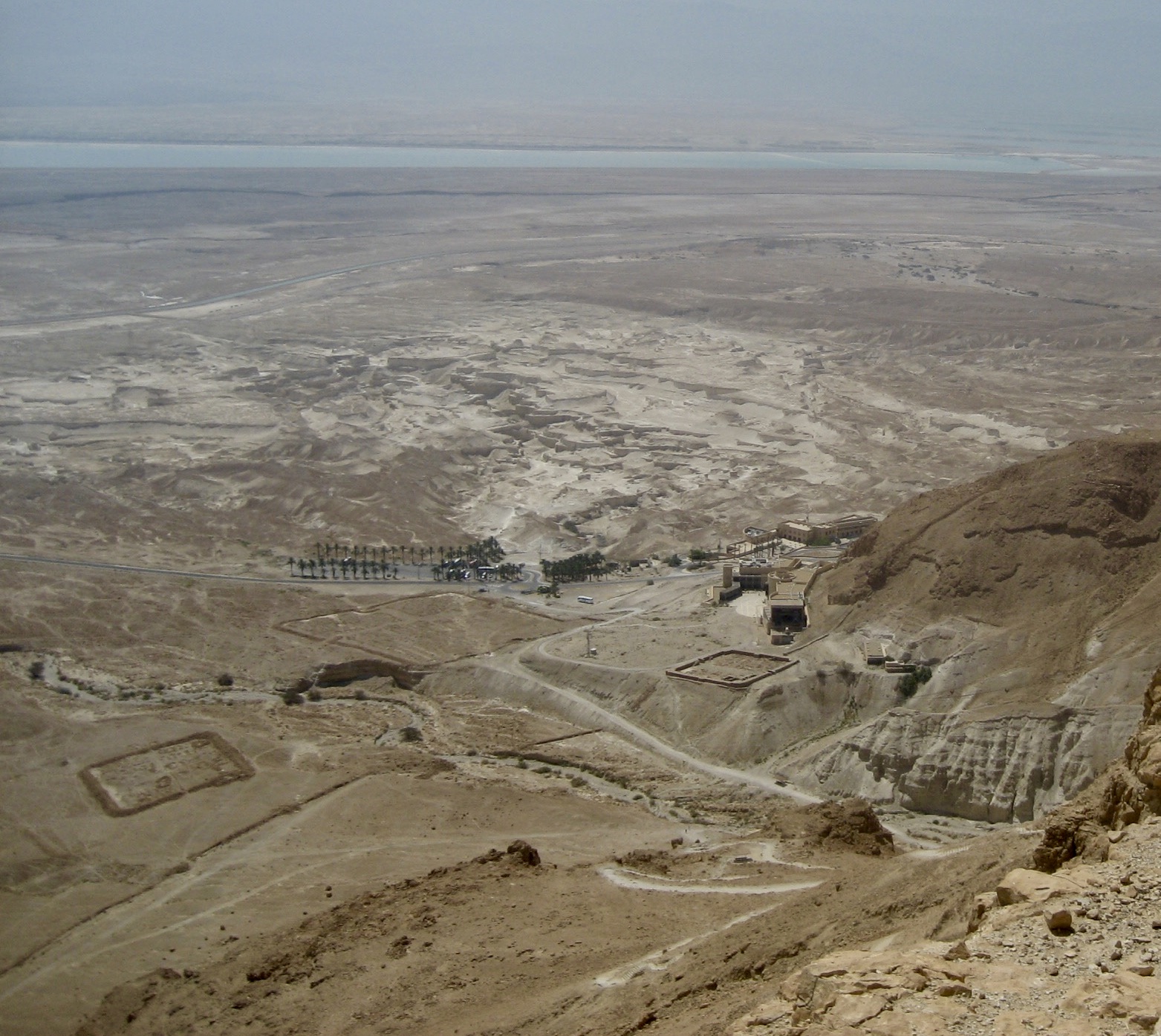
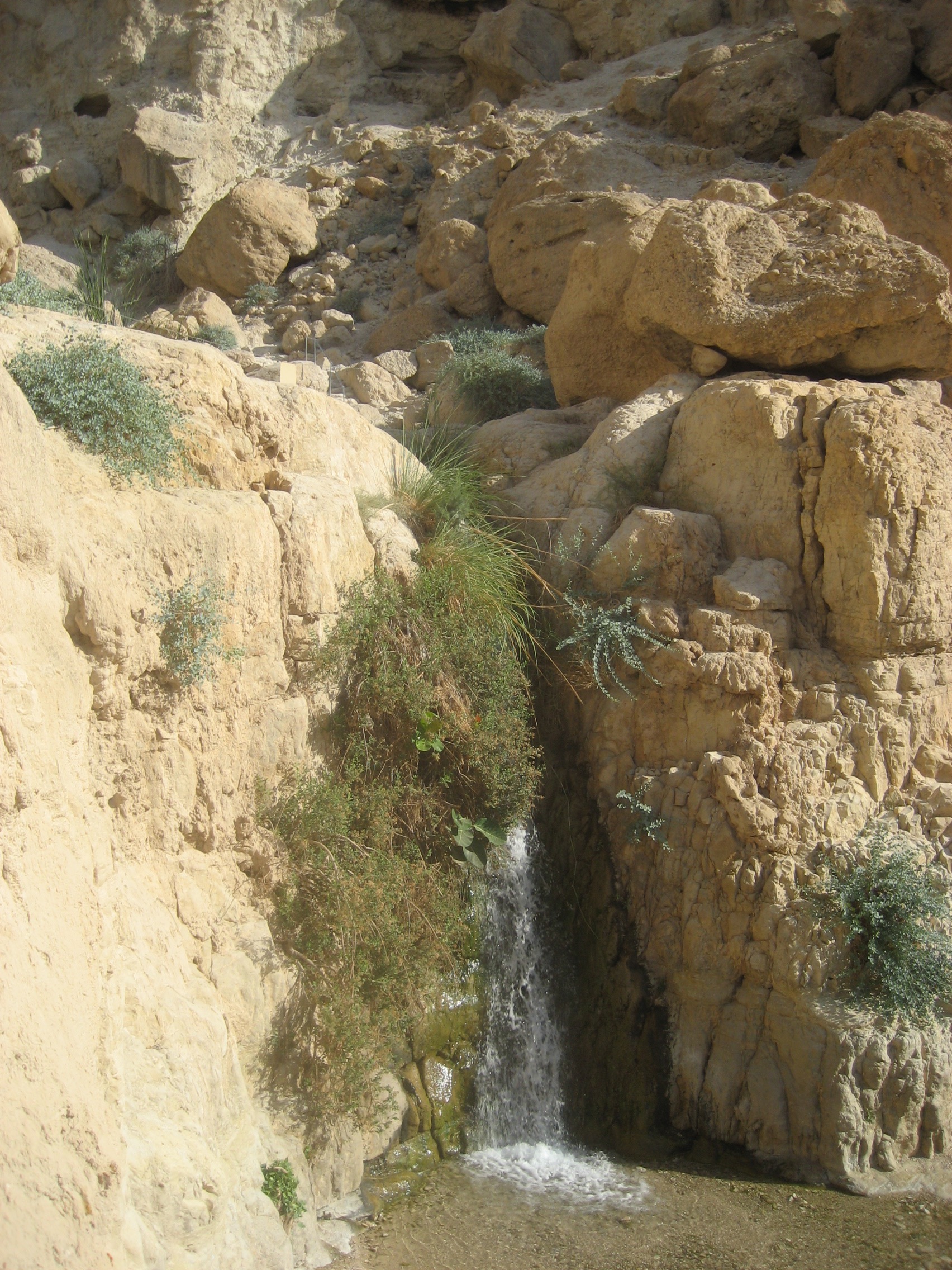
 On the morning after hiking in the dry
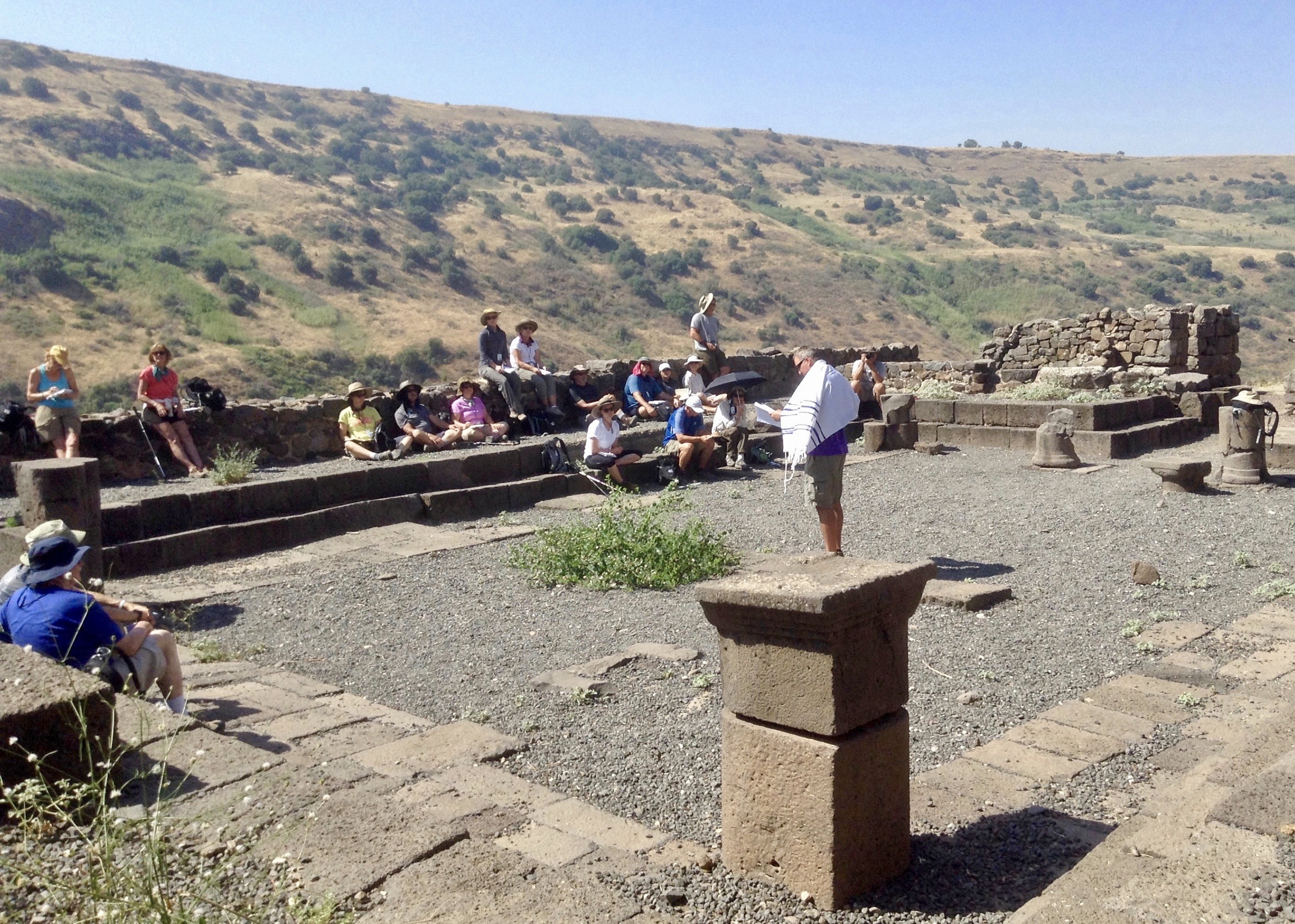
  Tim told us that in Numbers 15:38, the Israelites were commanded to wear tassels on the end of their robes. These were called tzitzit. Jacob Milgrom writes in the JPS Commentary on Numbers: “The nature of tsitsit is illuminated by the literature and art of the ancient Near East, which shows that the hem was ornate in comparison with the rest of the outer robe. The more important the individual, the more elaborate the embroidery of his hem. Its significance lies not in its artistry but in its symbolism as an extension of its owner’s person and authority.”
  At the end of our time there, Tim asked, “If life can sometimes be a desert, why do we only dip our toe in the water? Why don’t we have a deeper experience of the water source? Why only a little taste?” I think the reason I don’t often have a fuller experience of living water is that I like to keep up the illusion of control. We’re helpless when we enter this world, and we’re often helpless just before we leave, but for a long stretch in the middle we can pretend that we can make it on our own, that we’re not absolutely helpless and dependent. Letting go of whatever scraps of pretended control I’m clinging to feels scary. I’m made to live by faith, but much of the time I resist and make life harder than it needs to be. I’d rather stay in the desert that I’ve deceived myself into believing I can control than be carried along in living water.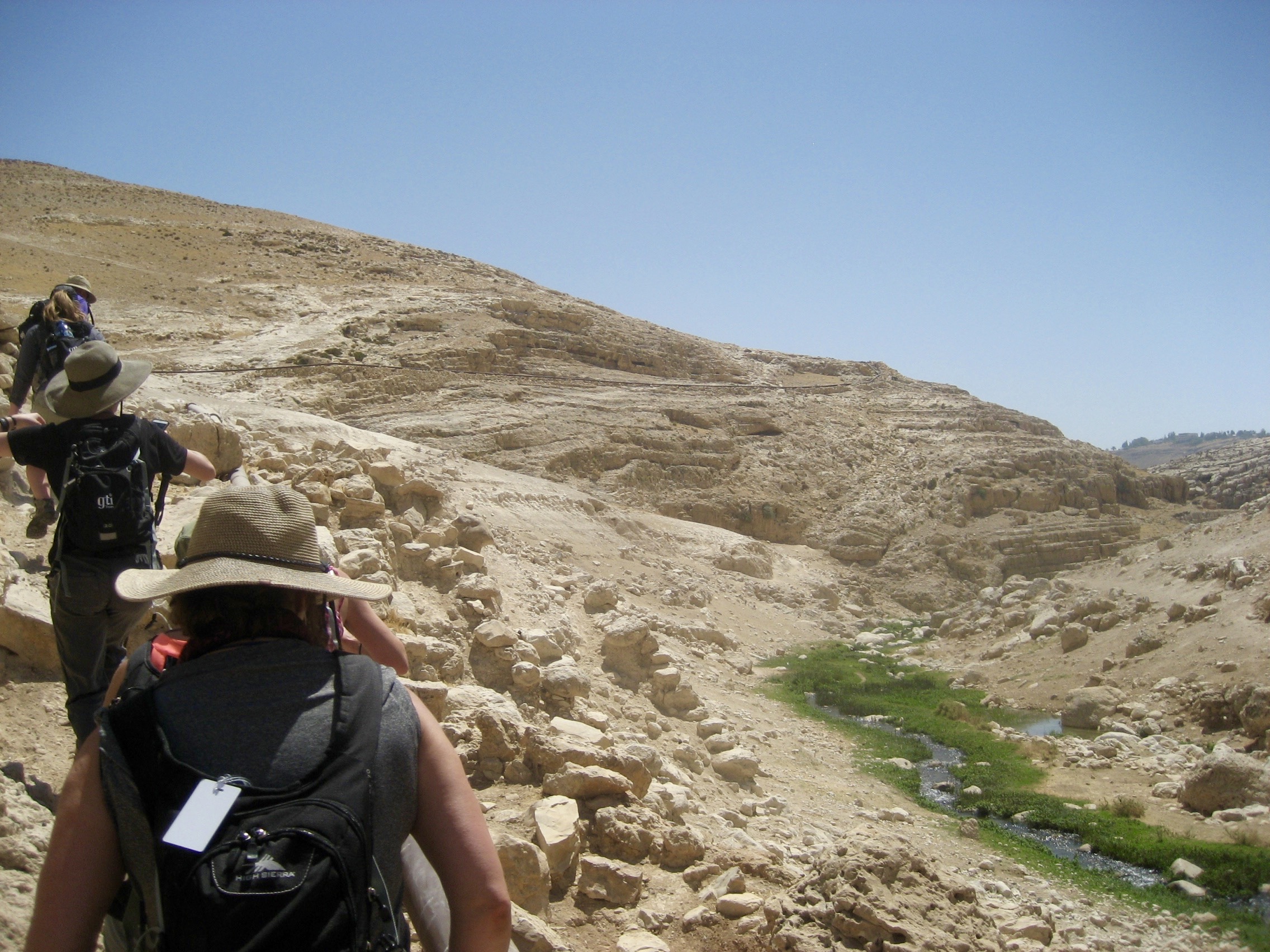
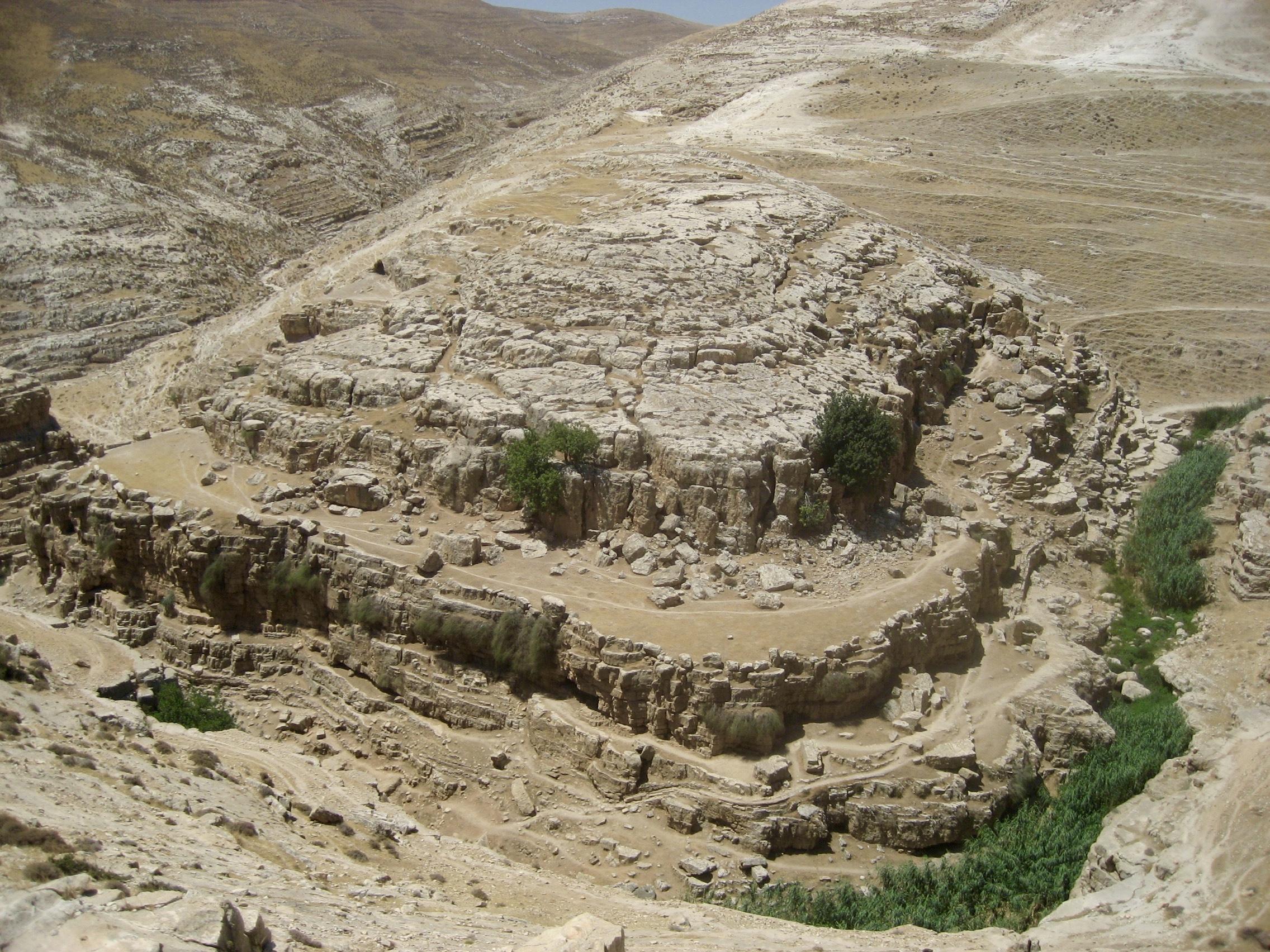 God himself is represented in Scripture by tsel. Several psalms talk about taking refuge in the shadow of God’s wings (Pss 17:8; 36:7; 57:1; 63:7). Others call God tsel more directly: “Whoever dwells in the shelter of the Most High will rest in the shadow of the Almighty” (Ps 91:1); “The Lord watches over you—the Lord is your shade at your right hand” (Ps 121:5).
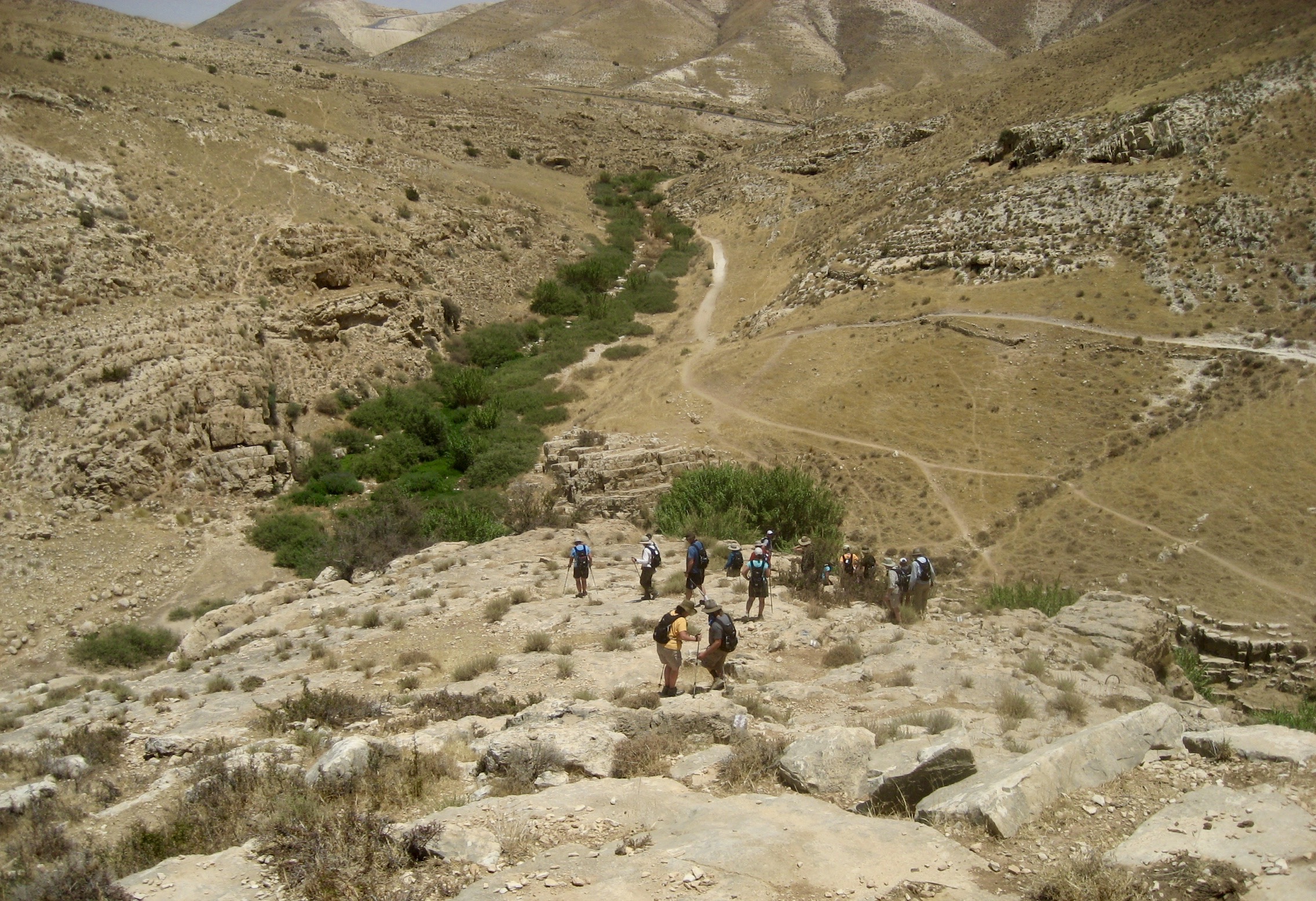 I don’t think stopping and waiting was especially heroic; just about everyone in our group who was able to help someone else did so in one way or another. But I do think that stopping and waiting when I had the ability and inclination to go on was crucial for me. That moment of deciding to serve was a pivotal point of the trip, and I think many others in the group had similar moments on that hike.
 What the Dog Saw



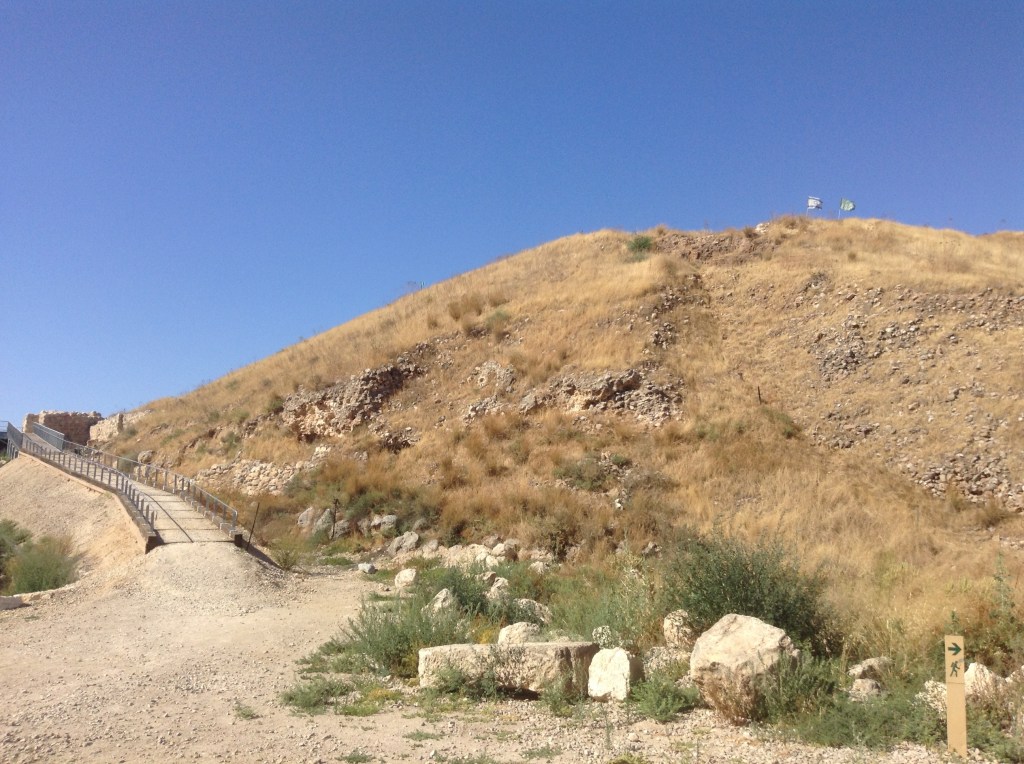
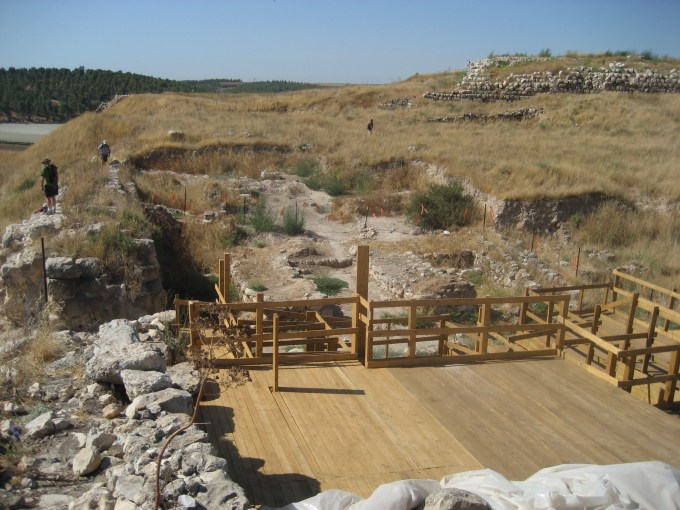
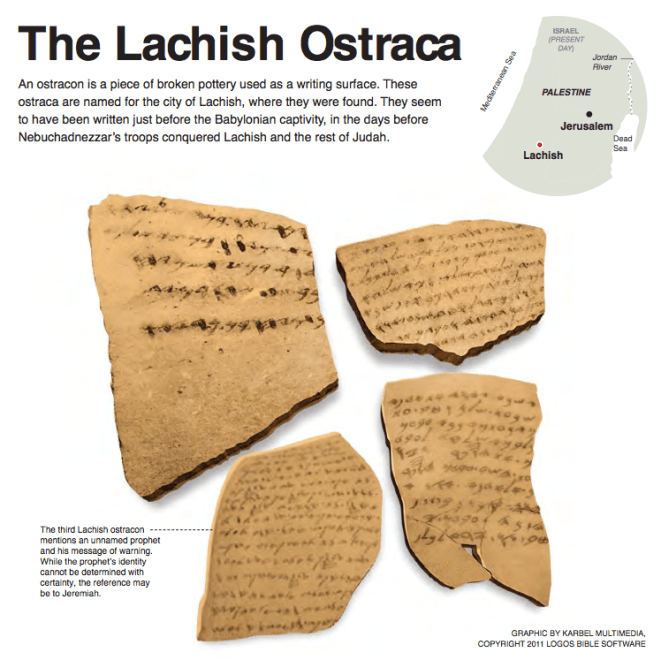 At Lachish, we sat at the base of the tel and talked about Hezekiah’s response to Sennacherib, taking the threatening letter he received from the Assyrian king and praying over it (2 Kgs 19:14–19; Isa 37:14–20). At several places during the trip our group leader, Tim, presented Hezekiah as one of the overlooked heroes of the Old Testament. We often talk about Abraham, Joseph, David, and several others as great examples, but Hezekiah should get more credit. Of him it was said that “he trusted in Yahweh the God of Israel; there was no one like him, before or after, among all the kings of Judah” (2 Kgs 18:5). He rebelled against a major world power and believed that God would take care of his people in spite of the retaliation that would inevitably follow; that takes a lot of trust.
 Tim asked us whether, in our lives, we are there for others with our signal fires. Are we a reliable source of encouragement? Can people look to us and gain a sense that they’re not alone? I often don’t think of myself as someone that other people could look up to; I’m just muddling through like everyone else. The real role models, I tell myself, are people who are older than me. But over time, especially as I’ve found myself in more leadership roles, I’ve started to grow in my awareness that people are watching. I sometimes want to respond, “Don’t do it! I’m going to fail!” Or maybe go full Charles Barkley:
  Elliot Ritzema