This is the twenty-fifth and last post in a series of reflections on my trip to Israel last summer (to read them all, click here).
June 28 AM
After emerging from Hezekiah’s Tunnel and taking vans back up toward the Temple Mount, our group made our way to the southwestern corner of the Temple Mount’s retaining wall through an ancient sewer. I’m still not sure why we went through a sewer to get there, but it was kind of neat. It didn’t smell like a sewer, at any rate.
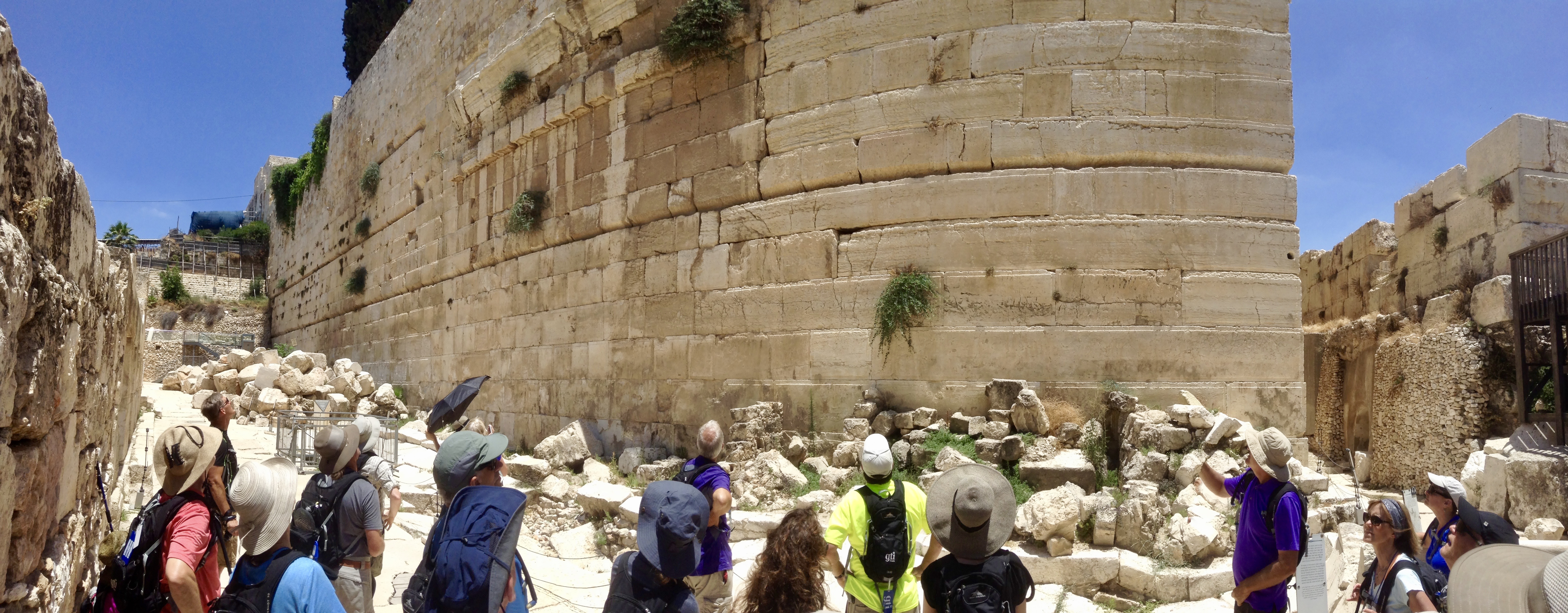
At the base of the Temple Mount’s retaining wall, we could see heavy stones scattered on the ground, some of them possibly right where they fell when the Romans destroyed the temple in AD 70. Above us was what is left of Robinson’s Arch. To our left, and up, was the entrance to the Western (or Wailing) Wall. One of the stones on the ground in front of us was a replica of the top corner stone from the Temple Mount that had fallen among the others. On it were carved instructions that indicated a shofar was to be blown from there at various times such as the beginning of the Sabbath. The original is in the Israel Museum.

From the southwest corner we made our way east to the Southern Steps, which were where the main entrance to the temple was in Jesus’ day. As we walked we heard a haunting, guttural call to prayer from the gray-domed al-Aqsa Mosque above us. At first it was hard to know what it was; the loudspeakers distorted it so that it hardly seemed like a human voice. It may also be that it sounded strange because we were hearing multiple calls to prayer from other mosques in the area.
 After walking around on the Southern Steps and looking at the gates that had been closed up there, we went back around the southwestern corner of the Temple Mount, where we had lunch before we went through security to enter the area next to the Wailing Wall. Before I went, I was a little confused about what the Wailing Wall was, so I’ll explain it here. It is one section of the western side of the retaining wall around the Temple Mount. It isn’t all that remains of the temple, but it is the closest place that Jews can get to where the temple used to be and pray. On the Temple Mount itself, only Muslims are technically allowed to pray.
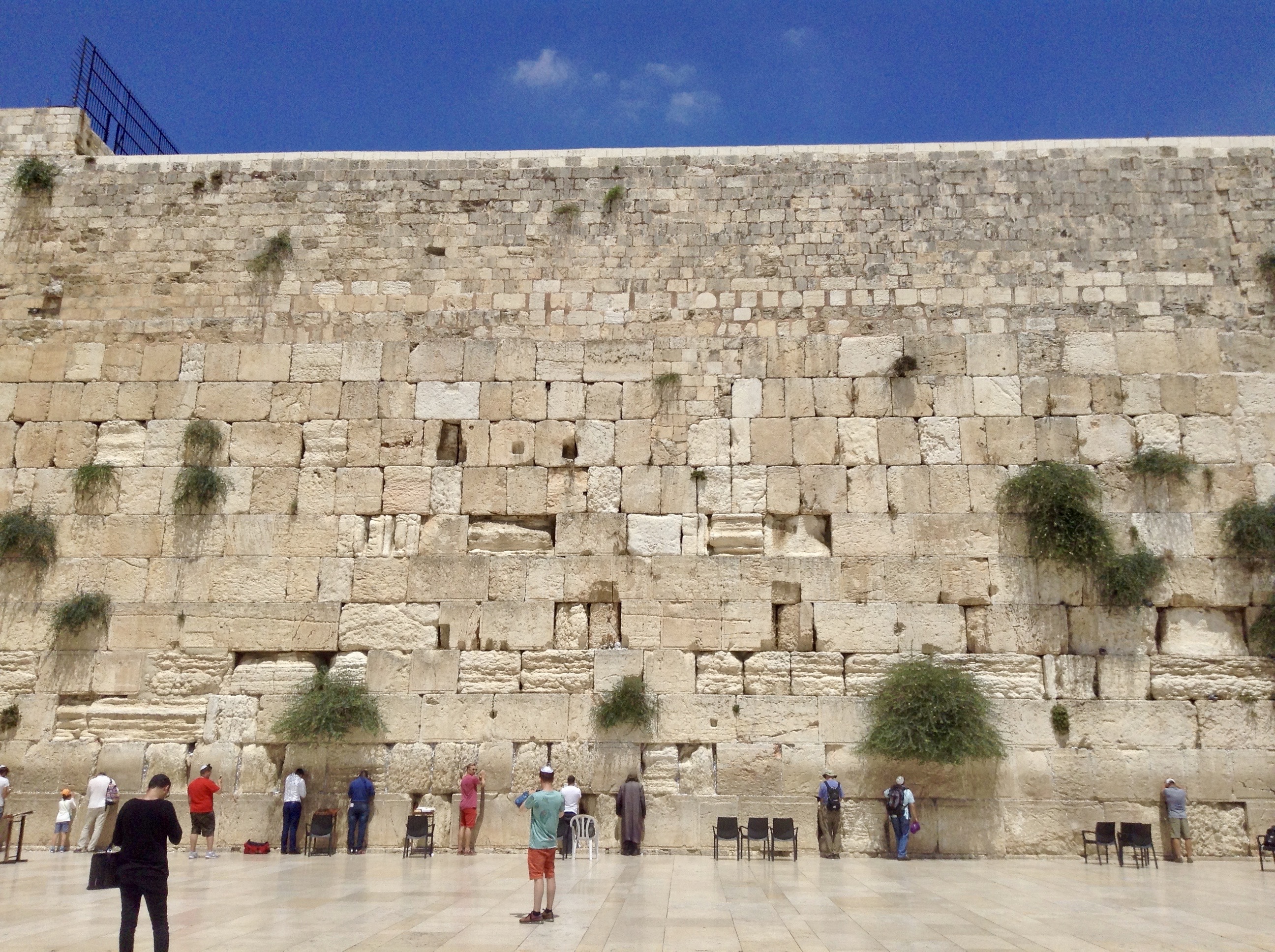
Inside the area, there are separate spaces for men and women, with the men’s area being larger. When we were there, most of the people were Jewish, with a few other non-Jews like us sprinkled in. Anyone who wants to can go up and touch the wall and pray, and find a crack to insert a written prayer. Before approaching to pray, Jews wash in ceremonial basins that are set back from the wall. I went up to the wall, touched it, and prayed, but I didn’t write a prayer down to leave in the cracks.
After spending some time there, several of our group walked back to our hotel through the Muslim Quarter, stopping to get a smoothie along the way. Later that afternoon I would go back out and walk along the Via Dolorosa by myself, and we would have our farewell dinner at a rooftop restaurant and gather once more back at the hotel to share our reflections on the trip, but the official itinerary of our trip ended at the Wailing Wall—so I’ll end my reflections here too.
 As I mentioned when I wrote about the Church of the Holy Sepulchre, I found myself conflicted over what it meant for me to visit the Wailing Wall. On the one hand, I think it’s entirely plausible that this is very close to where the ancient temple was, and in it the holy of holies where the God of Israel manifested his presence in a special way. It’s a significant place because of that fact alone.
Yet as a Christian who believes that Jesus is the true temple, the fullest manifestation of God’s presence there has ever been in the world (Matt 12:6), and that his church, united to him by his Spirit, is also the true temple of God (1 Cor 3:16–17), I do not believe that anyone needs to come to the Wailing Wall in order to get closer to God or have his ear. When Jesus came, the temple became redundant. God’s presence is not closer here than it is anywhere else.
So here is where I get into my opinions on geopolitics, which I haven’t really shared during this series describing my trip to Israel. While some Christians believe in an end-times scenario that requires the temple to be rebuilt, I do not. While I do believe that Jesus will return, I don’t think he requires the temple to be rebuilt, or Jews to be occupying the land of Israel, for that to happen. That is based on a particular interpretation of biblical prophetic texts that I disagree with. I think there are pragmatic reasons for the United States to be allied with Israel (they’re a representative democracy in the Middle East, they’re probably a nuclear power, etc.), but not theological ones.
I think it’s important to clarify this because just couple of weeks ago I overheard a man in a restaurant discussing President Trump’s declaration that Jerusalem is the capital of Israel. The man in the restaurant said that all Christians believed Jerusalem is the capital and the temple should be rebuilt. But he’s wrong.
I don’t know what the solution is, but I think that decisions in this matter should be made out of concern for justice and the flourishing of all people involved, not because certain actions would fulfill prophecies. I believe there are no prophecies of Christ’s return that depend on Jerusalem being the capital or the temple being rebuilt for their fulfillment.
Nevertheless, in this Christmas season where we celebrate Christ’s first advent, I still look forward to his return and pray with the early church: Marana tha! (Come, Lord)! (1 Cor 16:22)



 This is the twenty-second post in a series of reflections on my trip to Israel in the summer of 2016. I’m almost done, I promise (to read them all,
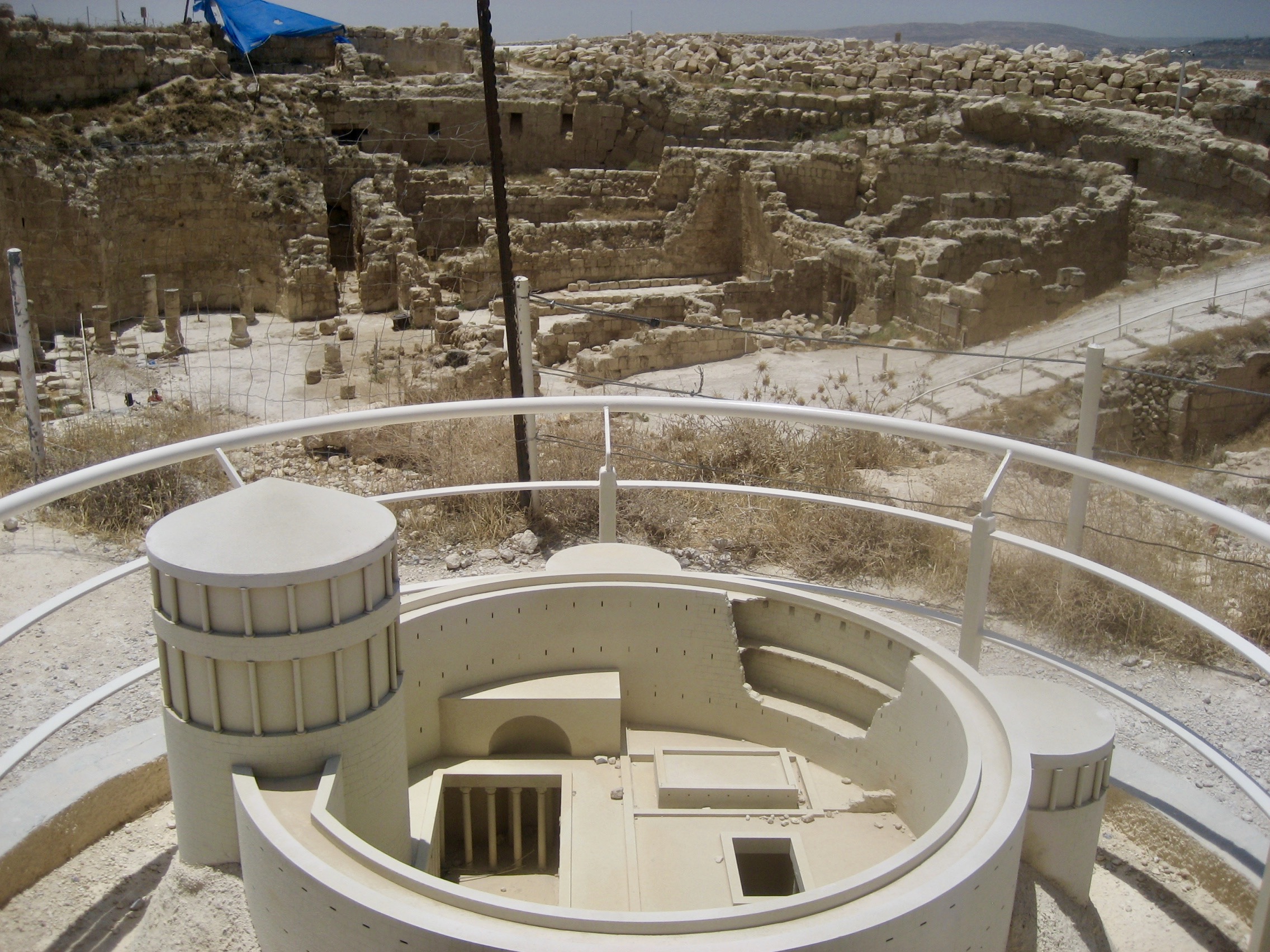
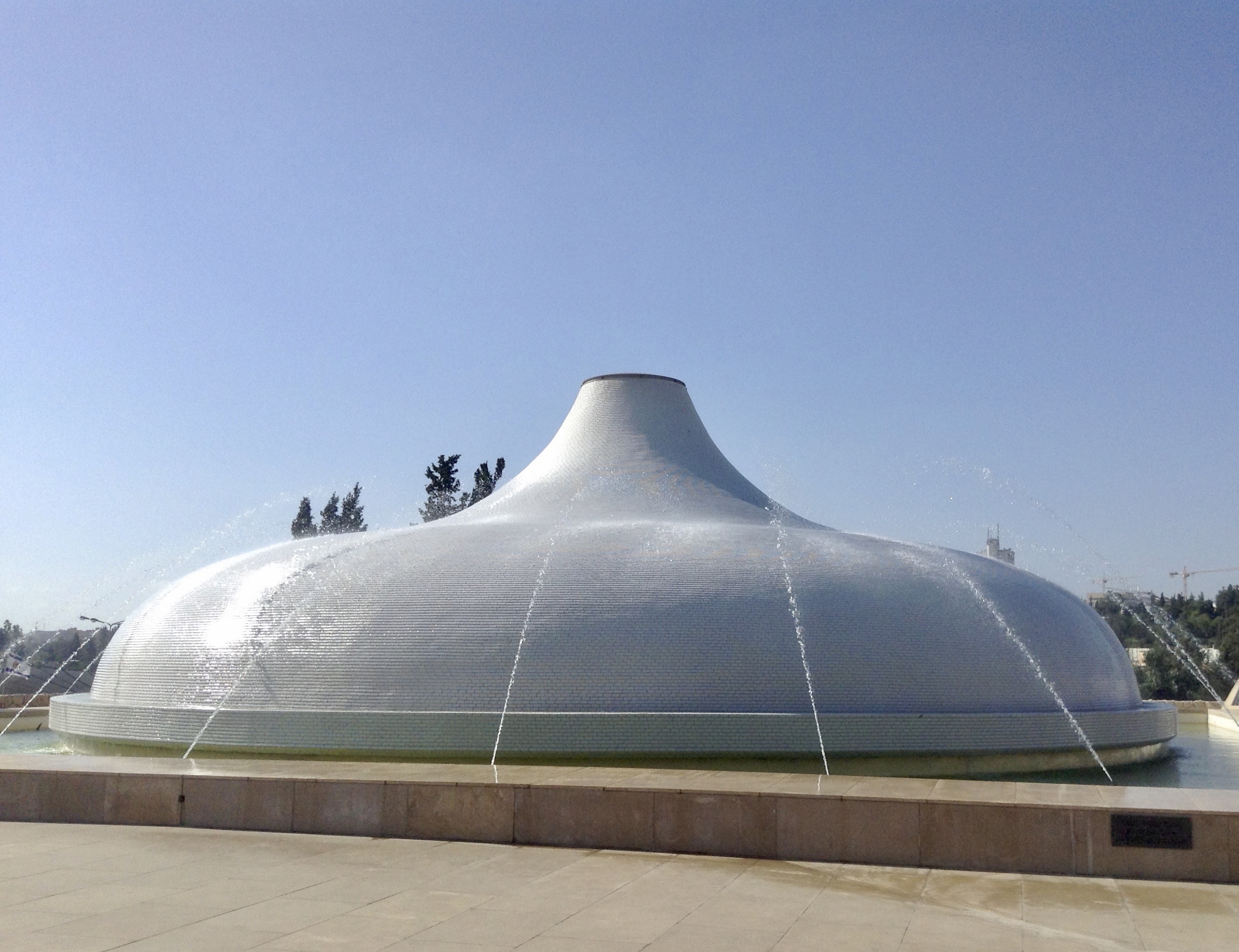 The Shrine of the Book is on the grounds of the Israel Museum, which is focused on art and archaeology. Also on the grounds, close to the Shrine of the Book, there is an open-air model of what first-century Jerusalem looked like before the revolt that began in AD 66 and ended in the destruction of the city, including the temple.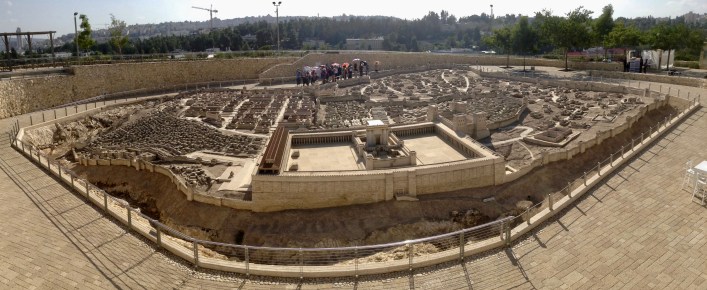
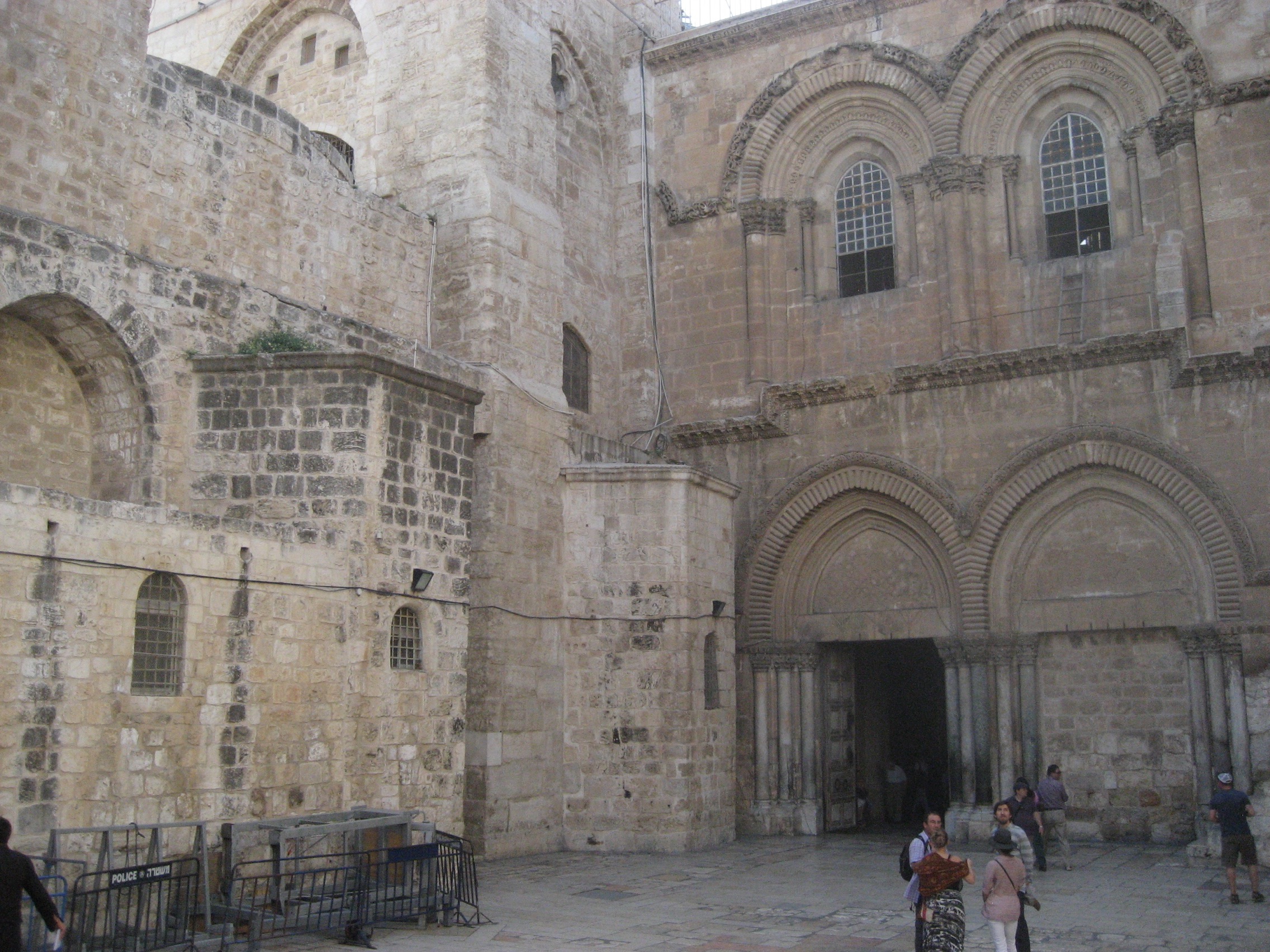 At this point I can’t remember what I noticed on the first visit versus the second visit a couple of hours later, so I’ll just give some overall impressions. Just inside the entrance to the church is a large stone slab. I didn’t know what it was, but I saw several people (mostly women) kneeling around it with bags they had brought with them. Out of these bags they took items like small crosses or pieces of cloth and rubbed them on the slab, then put them back in the bags. I found out later that this is called the Stone of Anointing, where Jesus was allegedly prepared for burial.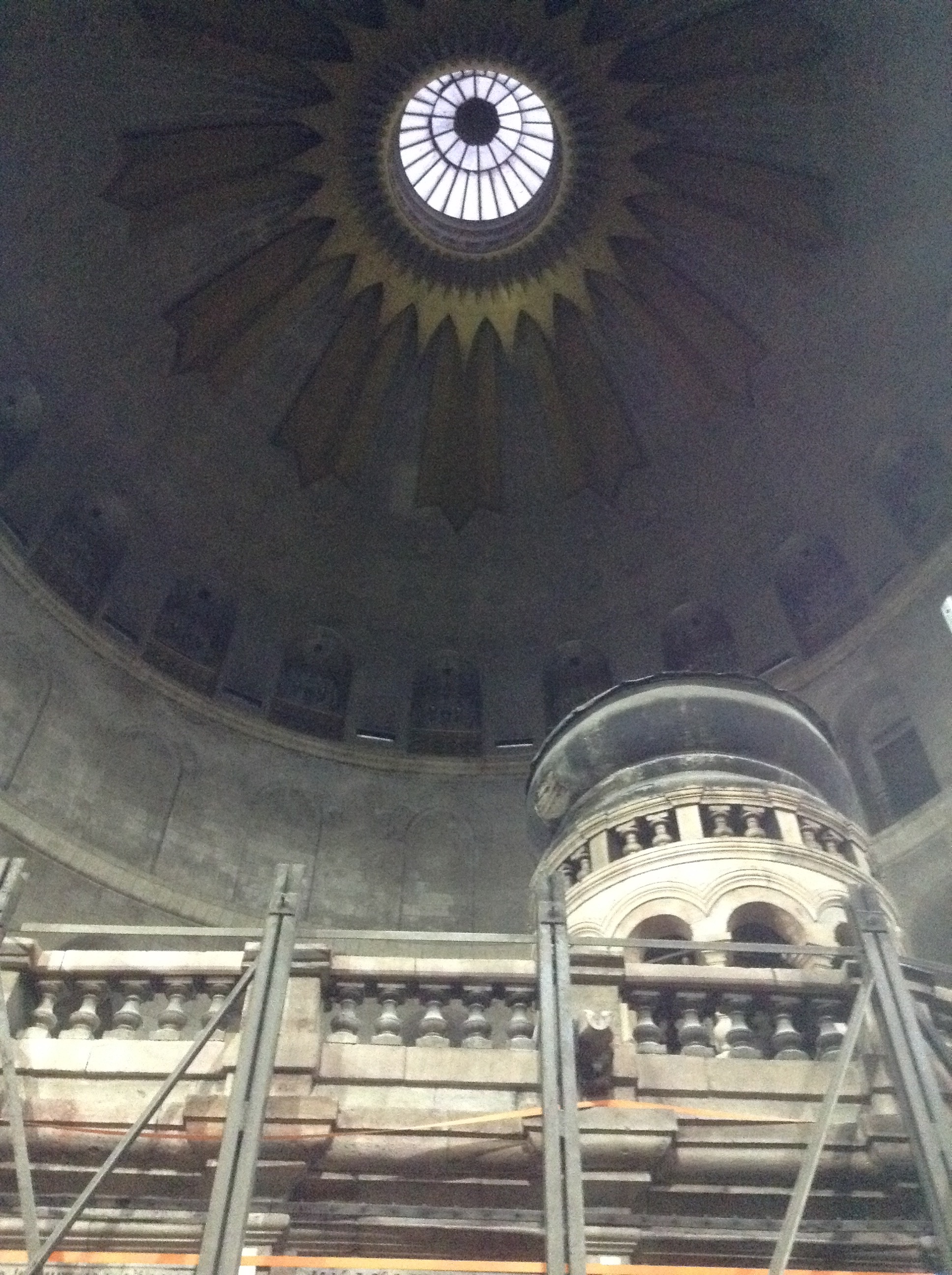


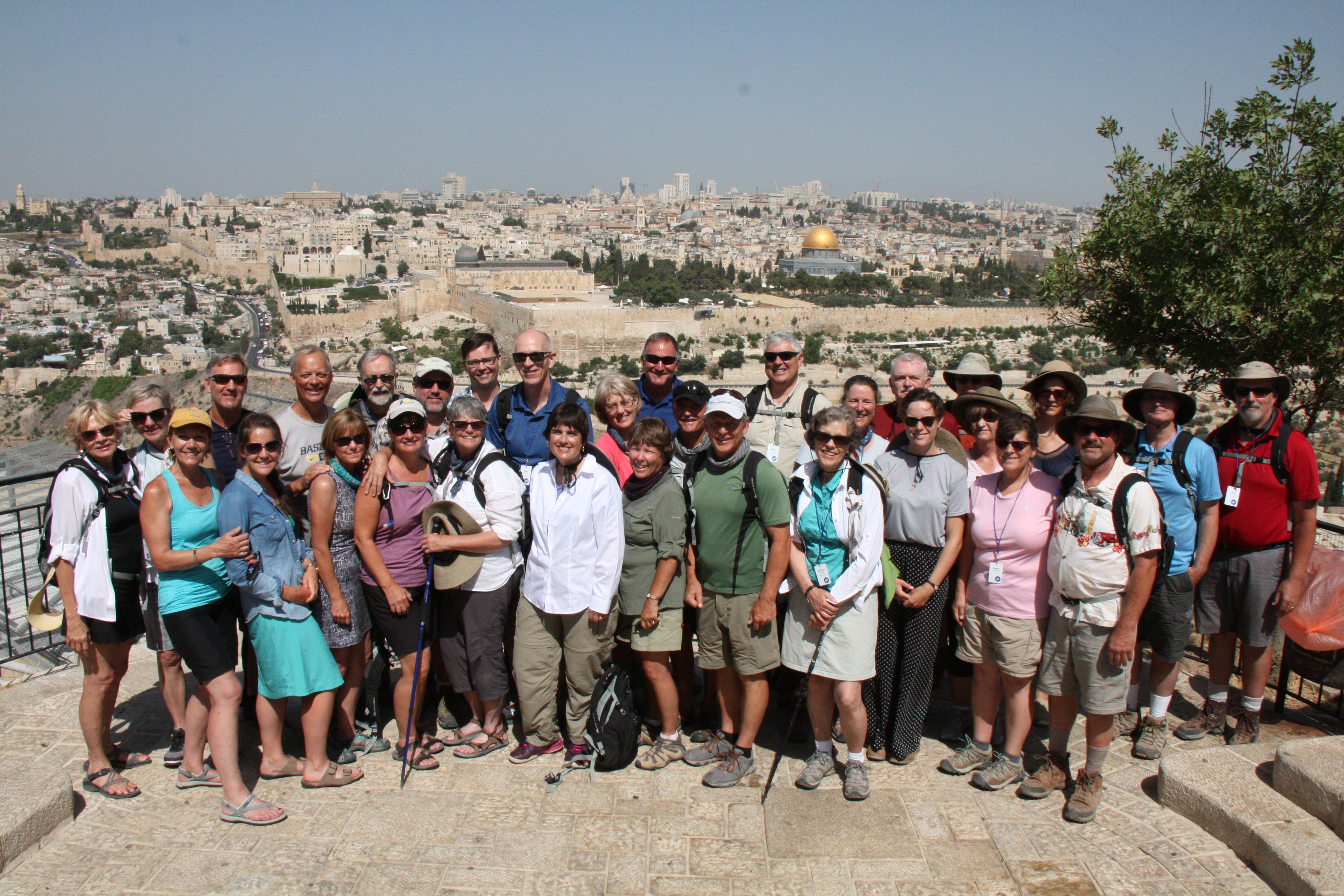
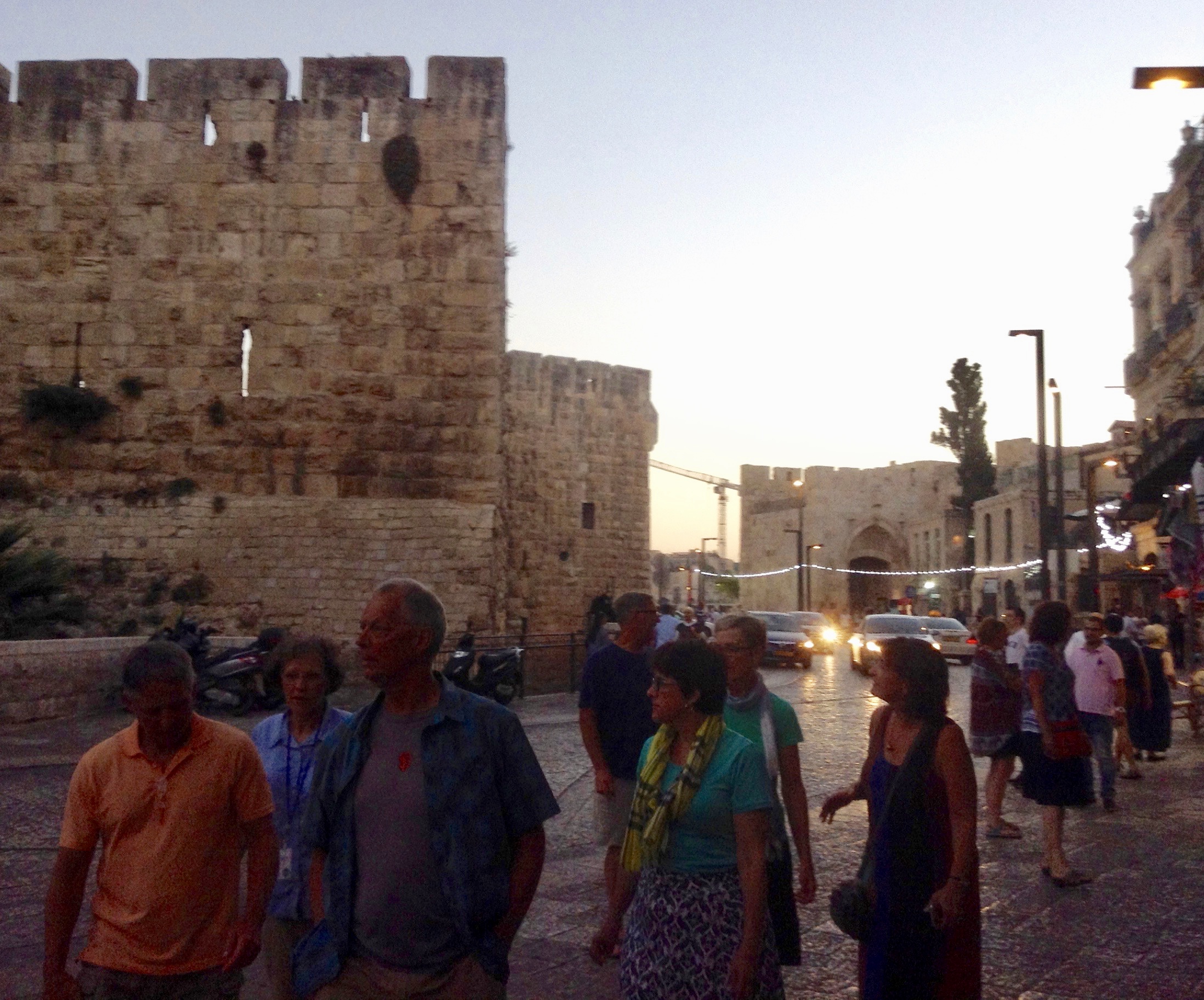
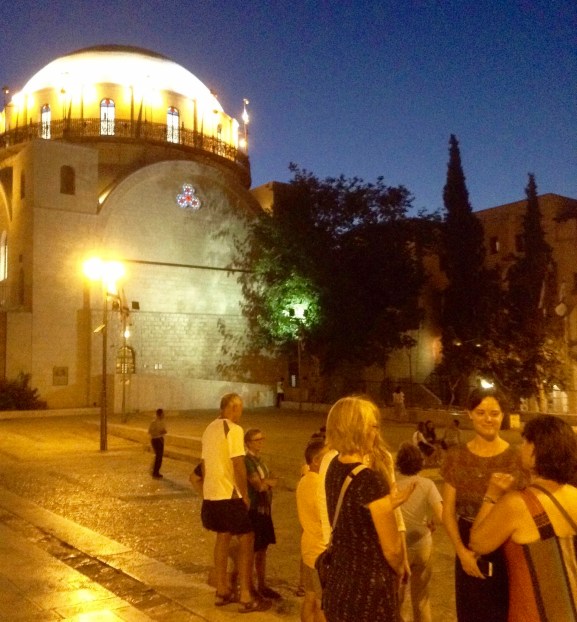
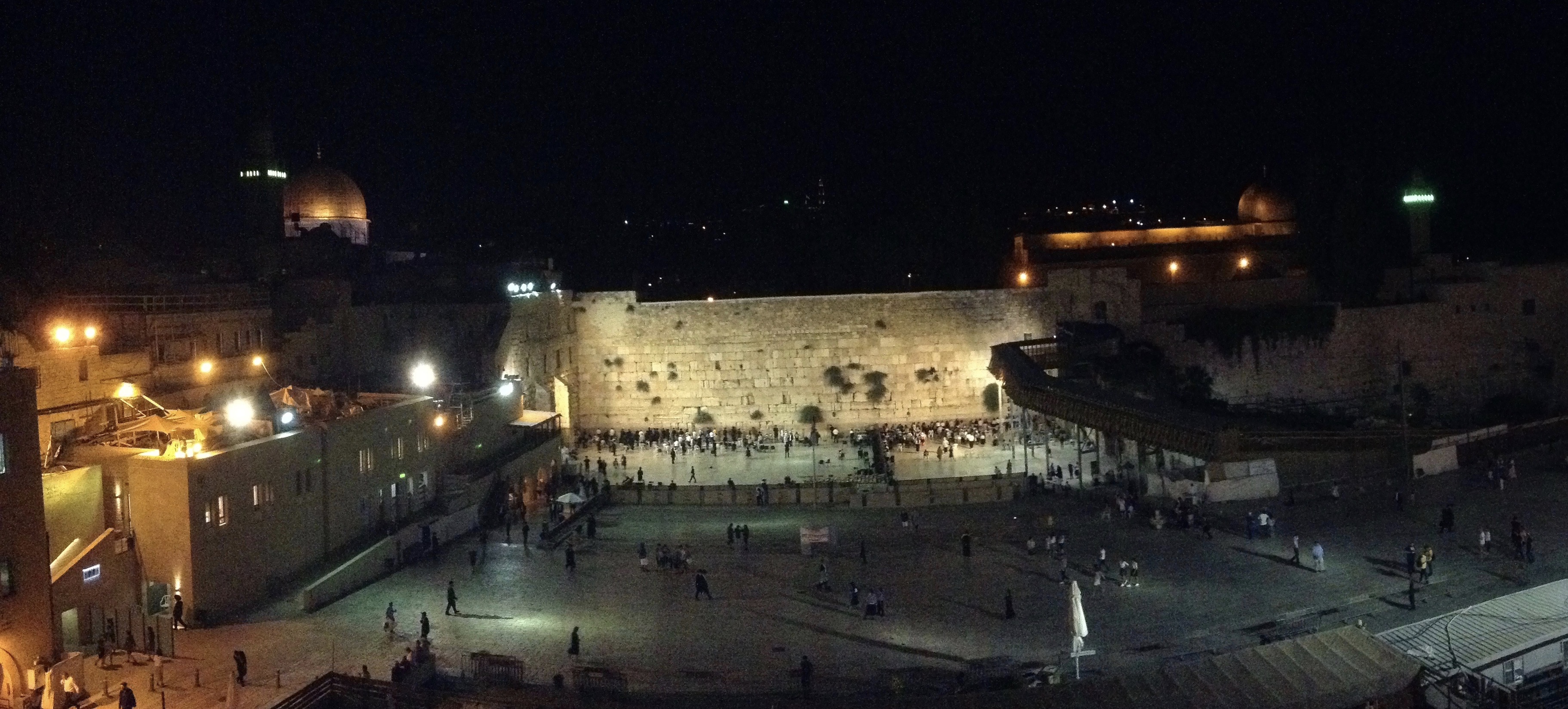 It was stunning, and I couldn’t get enough of it. Of the three nights we spent in Jerusalem, no matter how tired I was after that day’s excursions, I went walking around at night to take in as much as I could: enjoying the views, watching the people, eating the gelato (who knew you could get gelato in the old city?). I was a little nervous about getting lost by myself, so I had to look for people to go with, but thankfully there were plenty of other people who were also excited to do night exploring (thanks, Kurt & Suzie, Jenna & Abigail!).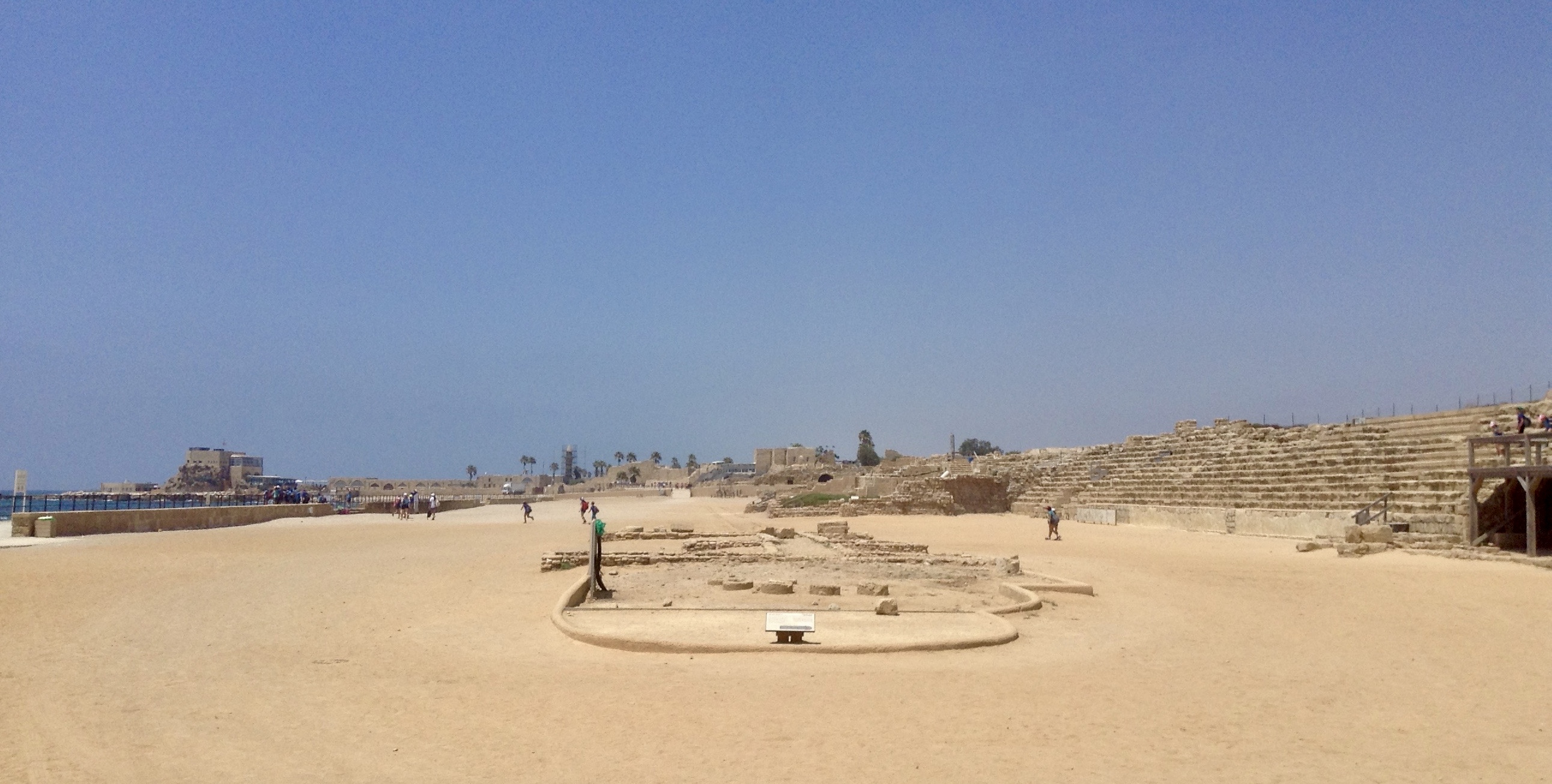


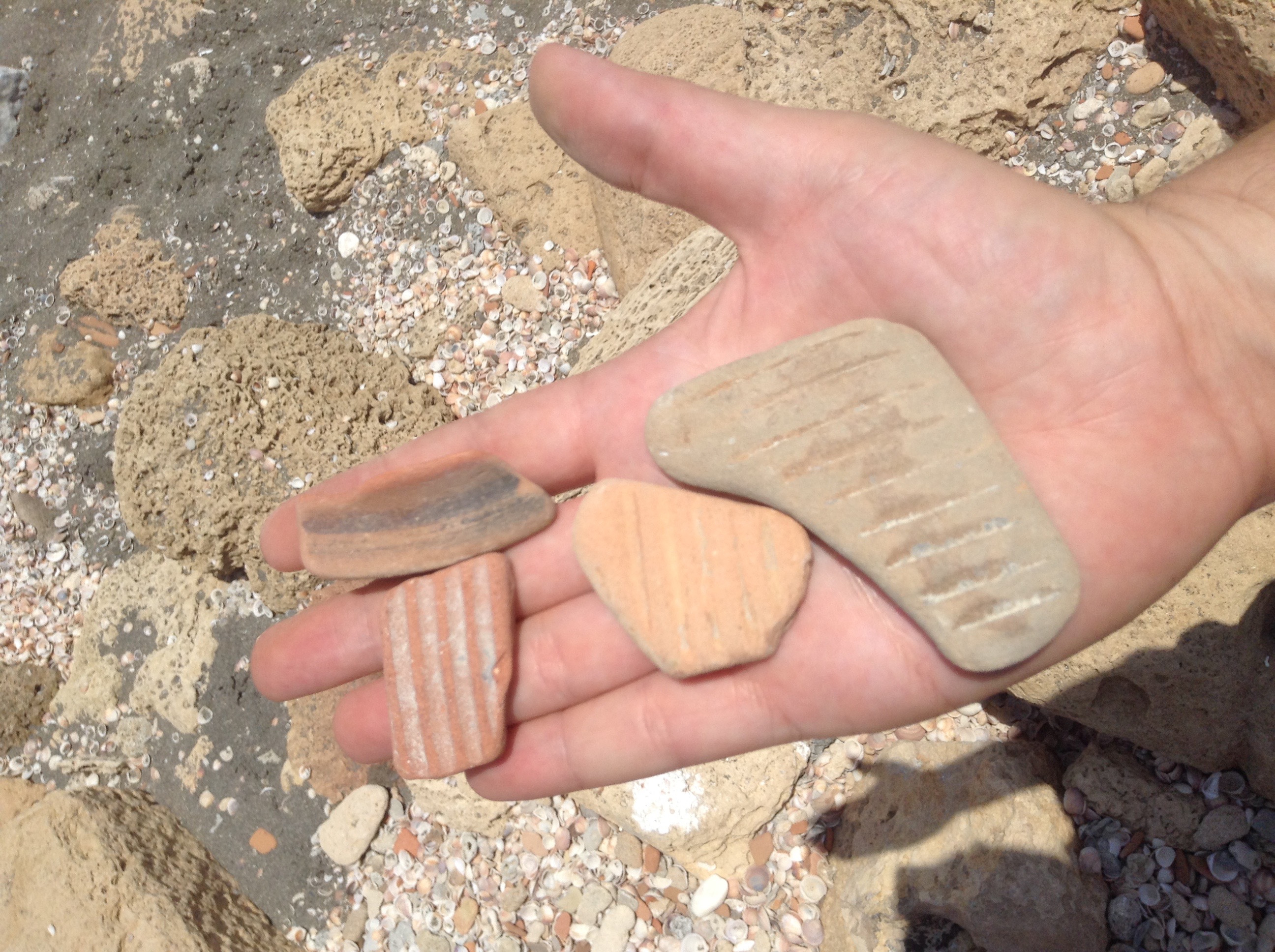 After we left Caesarea, we stopped at an aqueduct not far away, then continued on to Jerusalem for the night.
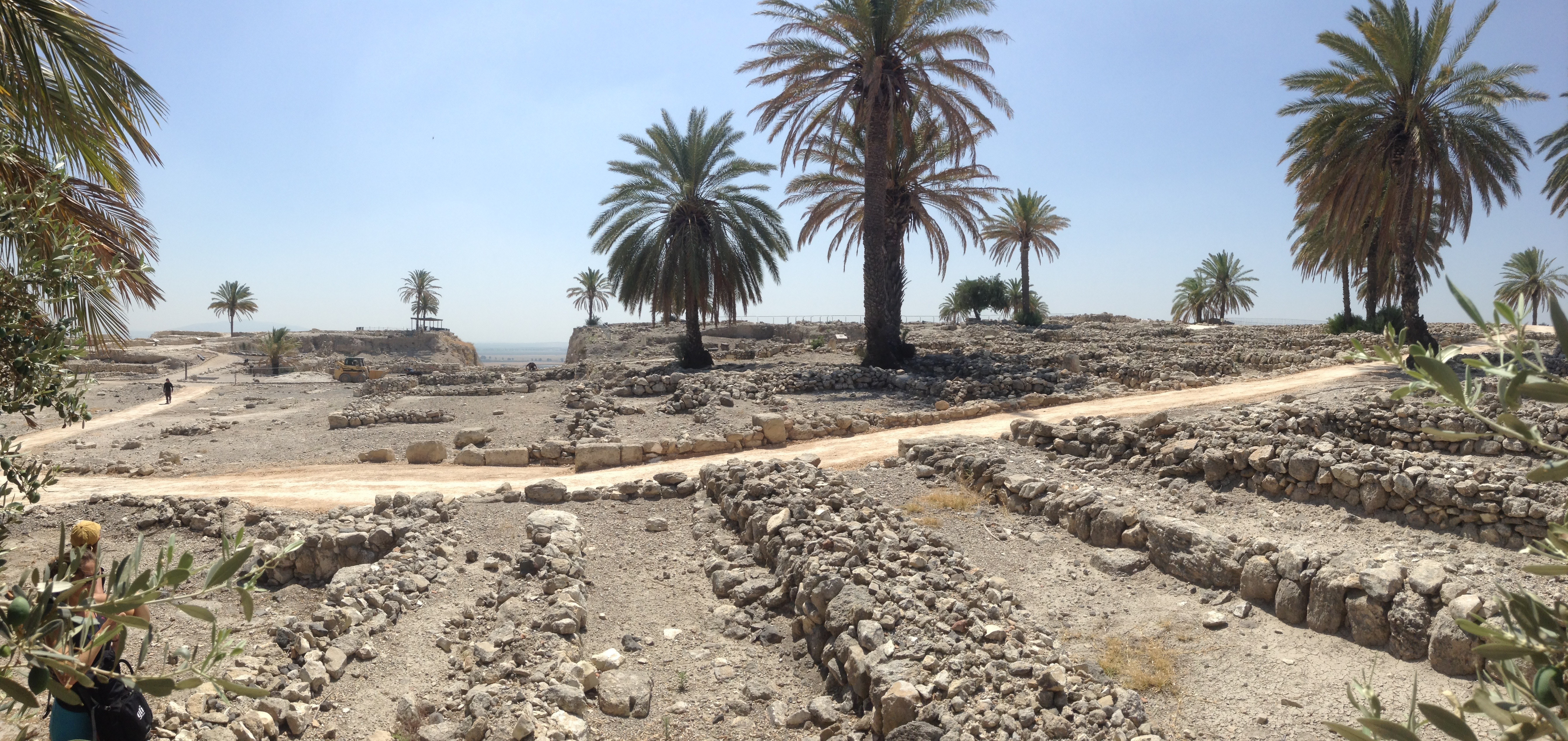
 Many people associate the name “Megiddo” with Revelation 16:16, which places a gathering of armies at a place called “Armageddon” (literally, “mountain of Megiddo”). Normally Armageddon is thought of as a battle, but a close reading of Revelation shows that the battle is never fought. Personally, since so much of Revelation is intended to be symbolic, and since there is no such place as the “mountain of Megiddo,” and since it’s physically impossible for the armies described in Revelation to gather in the space around Megiddo, I don’t think any literal future gathering for battle is likely to be fought at Megiddo. As Darrell Johnson says in his fine book on Revelation, “The name stands for the last resistance of the anti-Christ forces before the coming of the new creation” (Discipleship on the Edge, 290). Likewise, Grant Osborne writes in Revelation Verse by Verse: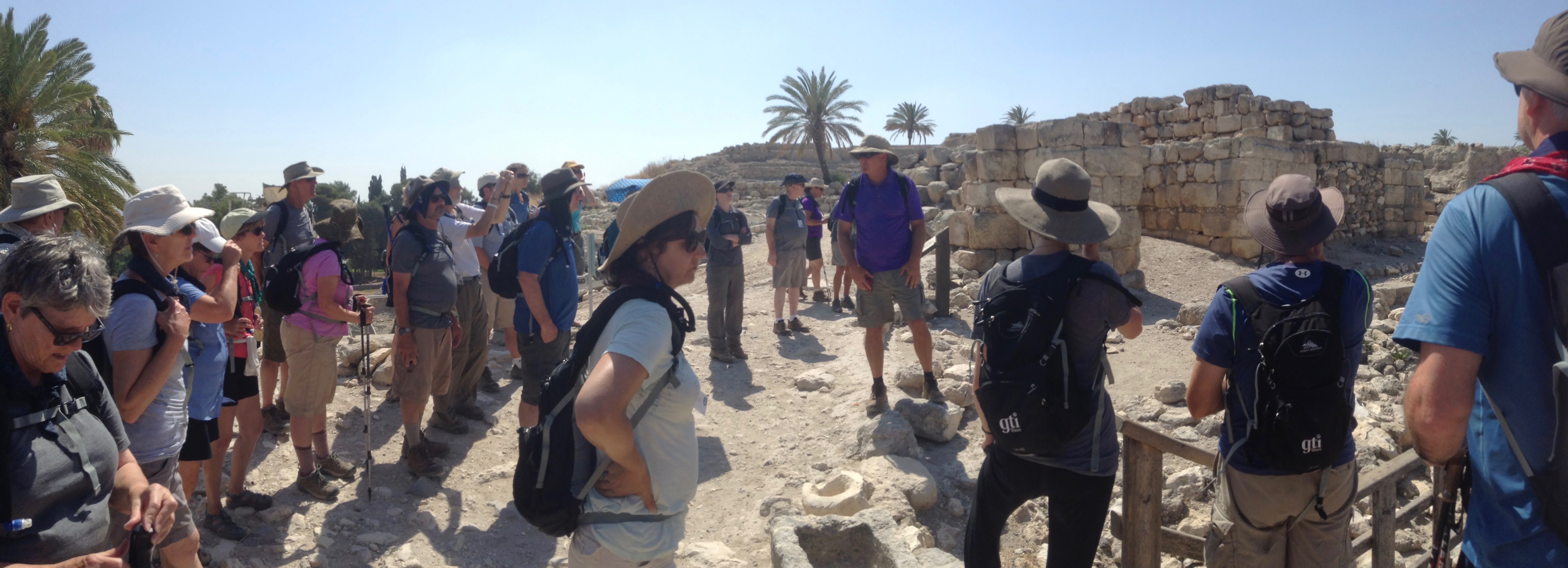
 In Jeremiah’s time, God was disgusted that the Judahites were likening him to the god Baal, saying he wanted child sacrifice. This was an abomination (Jer 32:35). Baal worship involving child sacrifice was abhorrent to the Greeks, and they put an end to it before Jesus’ day. But there were other things that were still going on in the first century that God also found disgusting. When Jesus entered the temple after his entry into Jerusalem on Palm Sunday, he says the temple establishment is making it into a “den of robbers,” quoting a passage from Jeremiah that speaks of abominations going on in the temple itself:


 Elliot Ritzema