The first Dallas Willard book I read was The Divine Conspiracy, which is a great title for a book. Saying there is a “divine conspiracy” afoot makes potential readers curious, like there is something about Christianity that this book will tell you even if you grew up in church. I was curious enough to pluck it off the shelf in a small English-language church library in Prague when I was teaching there just after college, and read it mostly on train rides to and from teaching appointments.
For many books with titles like that, their promise of newness ends up disappointing. The “new” thing being promised is just a modern rehashing of what some heretic taught in the second century. But in the case of The Divine Conspiracy, what Willard was offering was a return to the “with-God” life that Christians have enjoyed throughout the centuries. The conspiracy was that you could interact with God directly in the here and now, that you could live life in the kingdom of God now and not have to wait for some future time. In short, the divine conspiracy is what Jesus taught in the Sermon on the Mount.
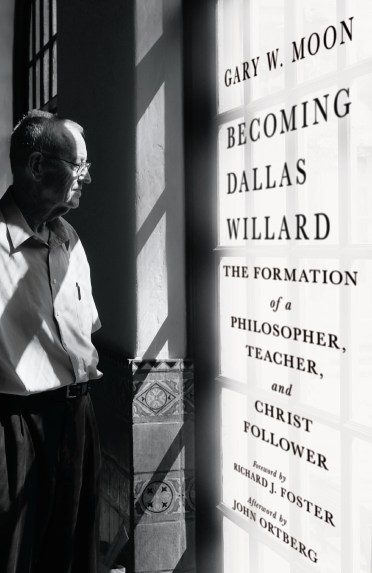 Willard (who died in 2013) wasn’t a professional theologian, and he wasn’t a pastor. He was a philosophy professor who spent his entire career teaching at USC. Yet he is probably most widely known for his writings on Christian spirituality—The Divine Conspiracy is probably the most popular, but there’s also The Spirit of the Disciplines, Hearing God, Renovation of the Heart, The Great Omission, and Knowing Christ Today.
Gary Moon tells the story of how this obscure philosophy professor came to be so well-known as a spiritual writer in his biography Becoming Dallas Willard: The Formation of a Philosopher, Teacher, and Christ Follower. The book follows Willard from his poor childhood in rural Missouri, to meeting his wife Jane in college at Tennessee Temple, to graduate studies at Baylor and the University of Wisconsin, to teaching philosophy at USC, to his rise to prominence as a teacher of Christian spirituality. According to Dallas, this fame happened organically, without his asking for it: “I’m afraid to say this, because I’m afraid to burden someone else. But I never ask for a promotion. I never ask for money. Of the Christian books I’ve published, all have been solicited from me by the publishers” (138).
The most difficult part of writing a biography of a man like Willard has to be holding together his philosophical and spiritual interests in an engaging narrative. Most of the people who pick up this book are going to be interested in Willard because of his Christian writings, but it isn’t enough to focus on that. Moon knew that he had to show how Willard’s vocation as a philosopher informed his spiritual writings—and to do that, he had the tall order of explaining a lot of philosophy to people who may have never read a book on philosophy.
Moon does a fine job at this, especially delving into Willard’s interest in Edmund Husserl, the founder of a school of thought called phenomenology (interestingly, the former Pope John Paul II was also a Husserl scholar). Willard was interested in phenomenology because he was looking for a way to understand epistemology—how we know things about the world around us. Dallas wanted to find a philosophical basis for realism—the idea that things exist in reality apart from our perception of them. According to Willard,
Husserl offered an explanation of consciousness in all its forms that elucidates why realism is possible. He helped me to understand that in religion you also have knowledge and you are dealing with reality. What Jesus taught was a source of knowledge, real knowledge, and not merely an invitation to a leap of faith. … [We] live in a world that is real, and this applies to morality as well as to physics. … I would never have chosen to work at philosophy as a profession but for the single—though multi-faceted—issue of realism. I have always felt that realism had to be true, because there is just no way that the objects of our world—whether particulars or universals (a tree or galaxy, a color or shape)—could, being what they are, be produced or sustained in existence by acts of thought or perception. (96)
This, Moon shows, is how Willard’s work as a philosopher and spiritual teacher are held together. He believed that the world exists apart from our perception of it—and not only the physical stuff of the world. Real knowledge of the world includes moral and spiritual knowledge.
Moon sums all this up by giving us four main areas of focus across Willard’s career as a philosopher and spiritual teacher (Willard himself told these to his former student J. P. Moreland eight months before his death):
- A robust metaphysical realism. “There is one mind-independent world ‘out there,’ and it and the entities within it are what they are independent of our thinking about them” (193).
- Epistemic realism. “The intentionality of the mind places it in direct contact with its various objects of attention. Nothing stands between the knowing subject and items of knowledge in cases of direct awareness” (193).
- Models of the human person and Christian spiritual formation. “He was committed to the idea that our view of the nature and practice of formative beliefs and exercises should flow as naturally as possible from our view of the human person” (193).
- Spiritually formative Christian practices produce results that are objectively testable. “He was deeply concerned to establish Christian spiritual formation and its practices as items of genuine knowledge. In short, spiritual formation could—and should—be measurable and have a place in the university alongside other domains of public knowledge” (193–94).
Willard’s thought was so deep and rich that I hope someday someone (maybe one of his former students?) will write an intellectual biography that puts his thinking into its broader context in both theology and philosophy. Moon’s biography gets into this a bit, but its main purpose is to serve more as a general introduction to Willard’s heart and mind. In spite of Moon’s dig at editors on page 177 (Not cool, man. Not cool.), I’d recommend it to everyone who is curious about Willard, especially people who are just starting to become aware of him and are looking for some background. While I hope that heftier biography is still coming someday, I’m glad Moon had the courage to be the first.
Note: Thanks to the publisher, InterVarsity Press, for a review copy of this book.

 At any rate, last fall, historian Chris Gehrz and pastor Mark Pattie gave us another option—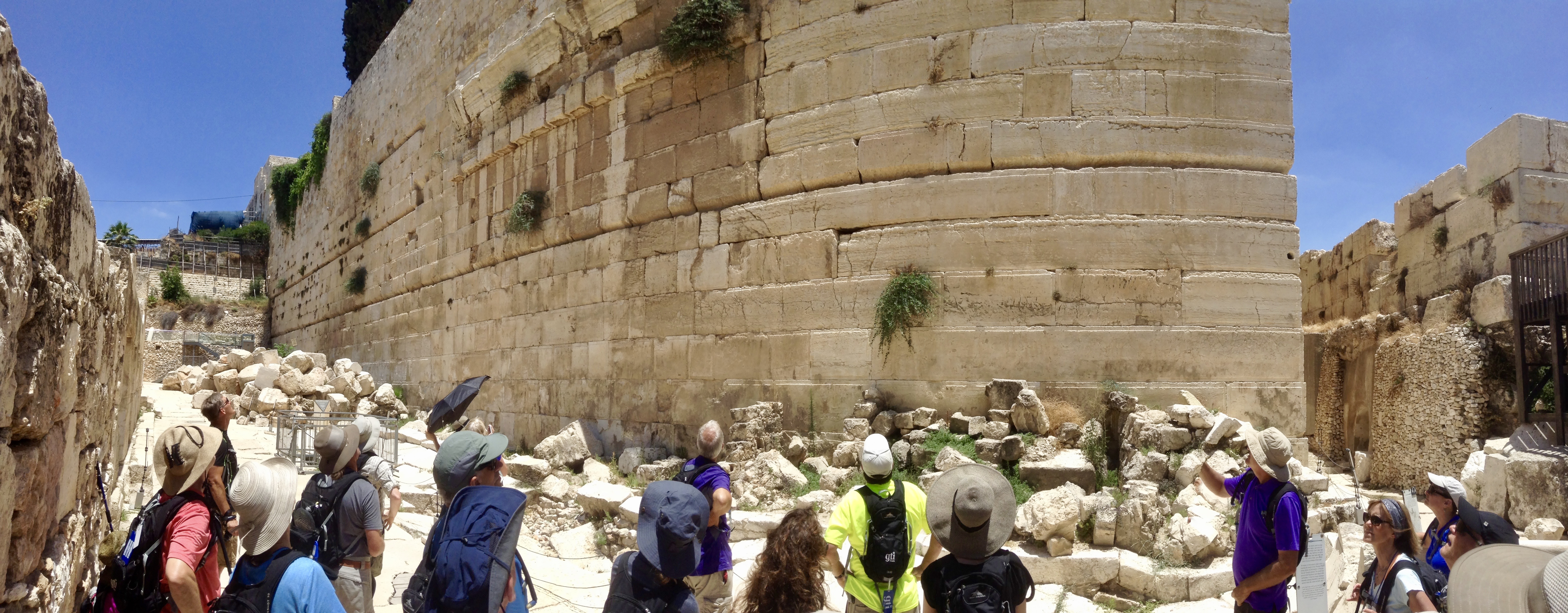

 After walking around on the Southern Steps and looking at the gates that had been closed up there, we went back around the southwestern corner of the Temple Mount, where we had lunch before we went through security to enter the area next to the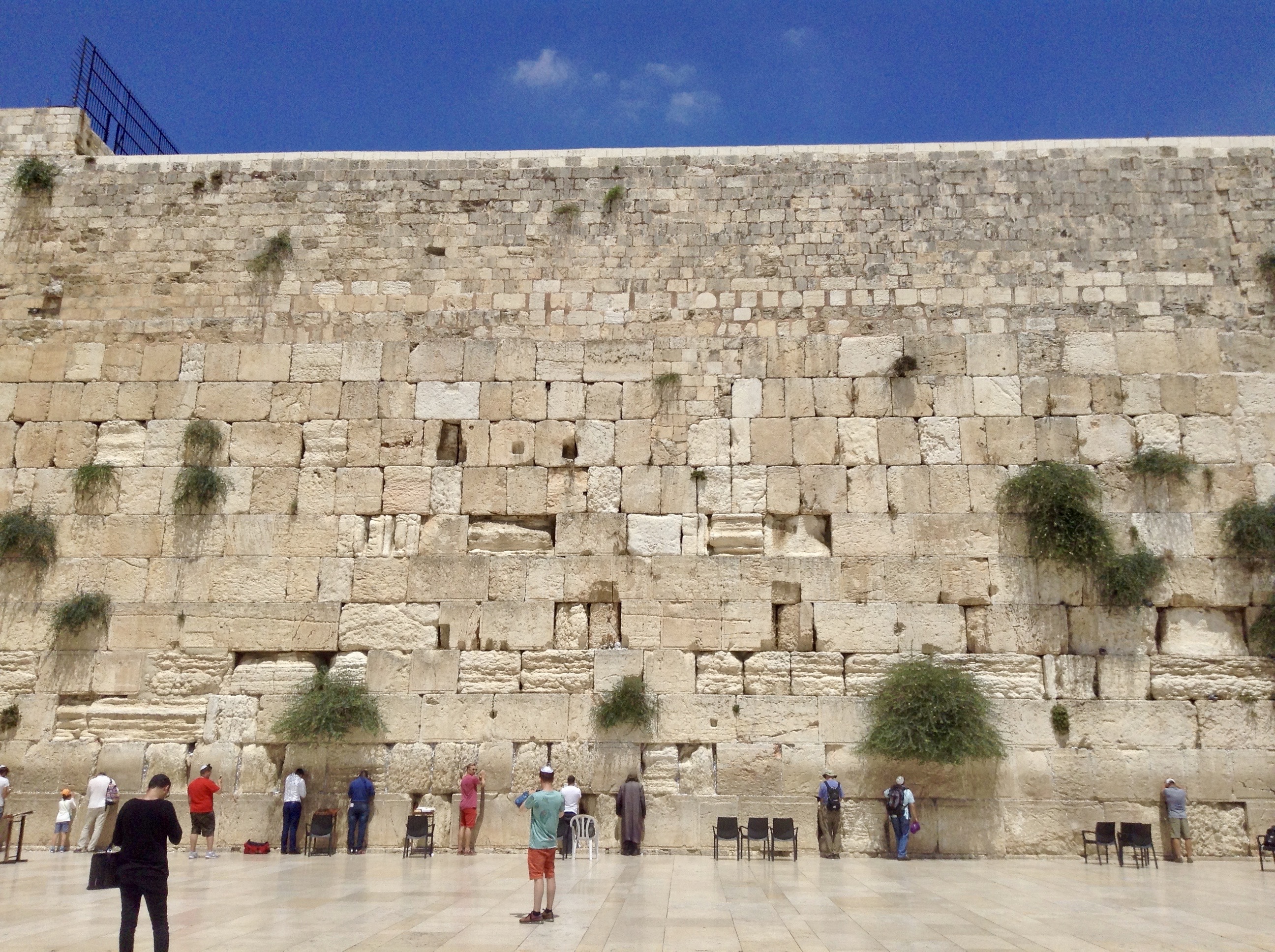
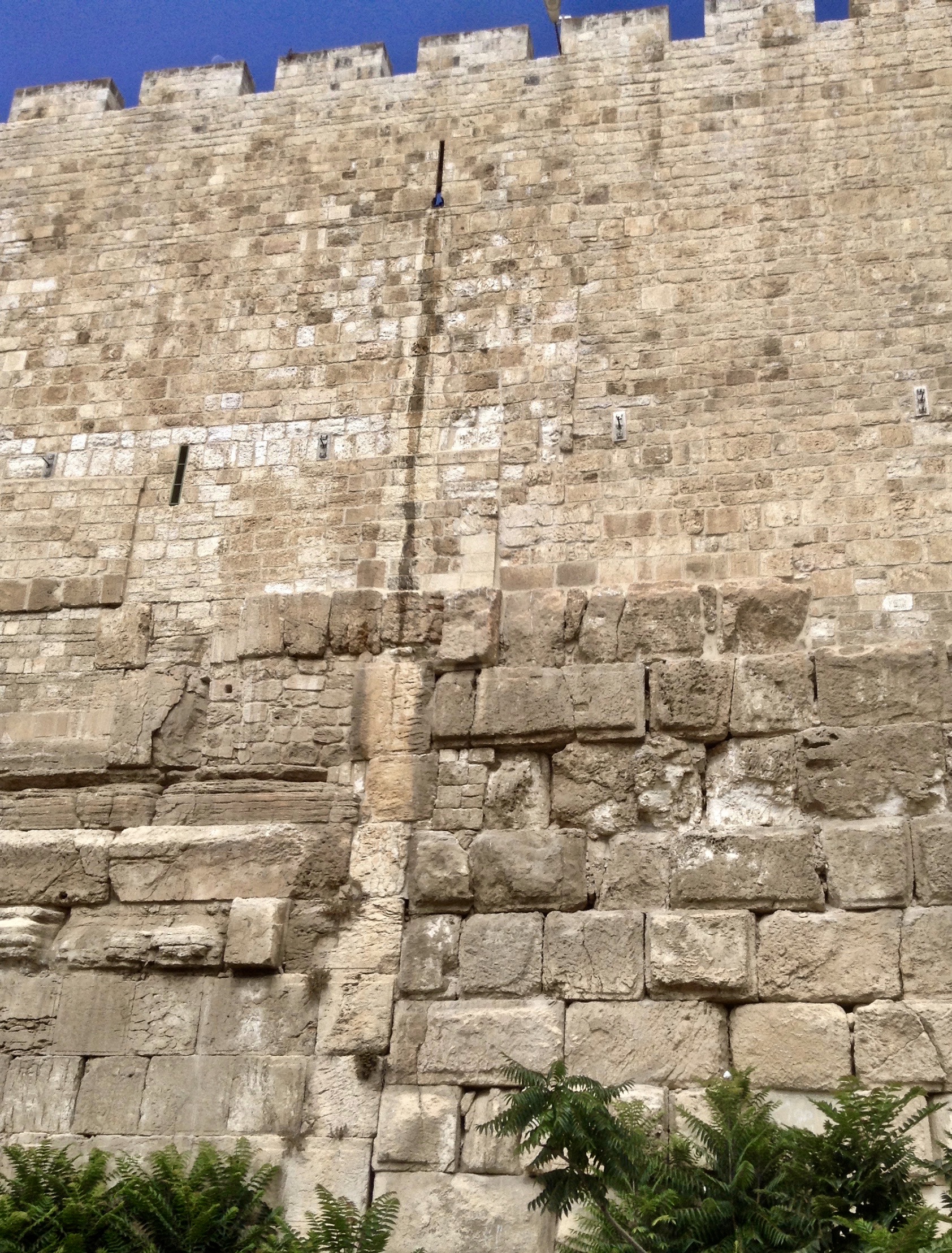
 As I mentioned when I wrote about the Church of the Holy Sepulchre, I found myself conflicted over what it meant for me to visit the Wailing Wall. On the one hand, I think it’s entirely plausible that this is very close to where the ancient temple was, and in it the holy of holies where the God of Israel manifested his presence in a special way. It’s a significant place because of that fact alone.


 In his book
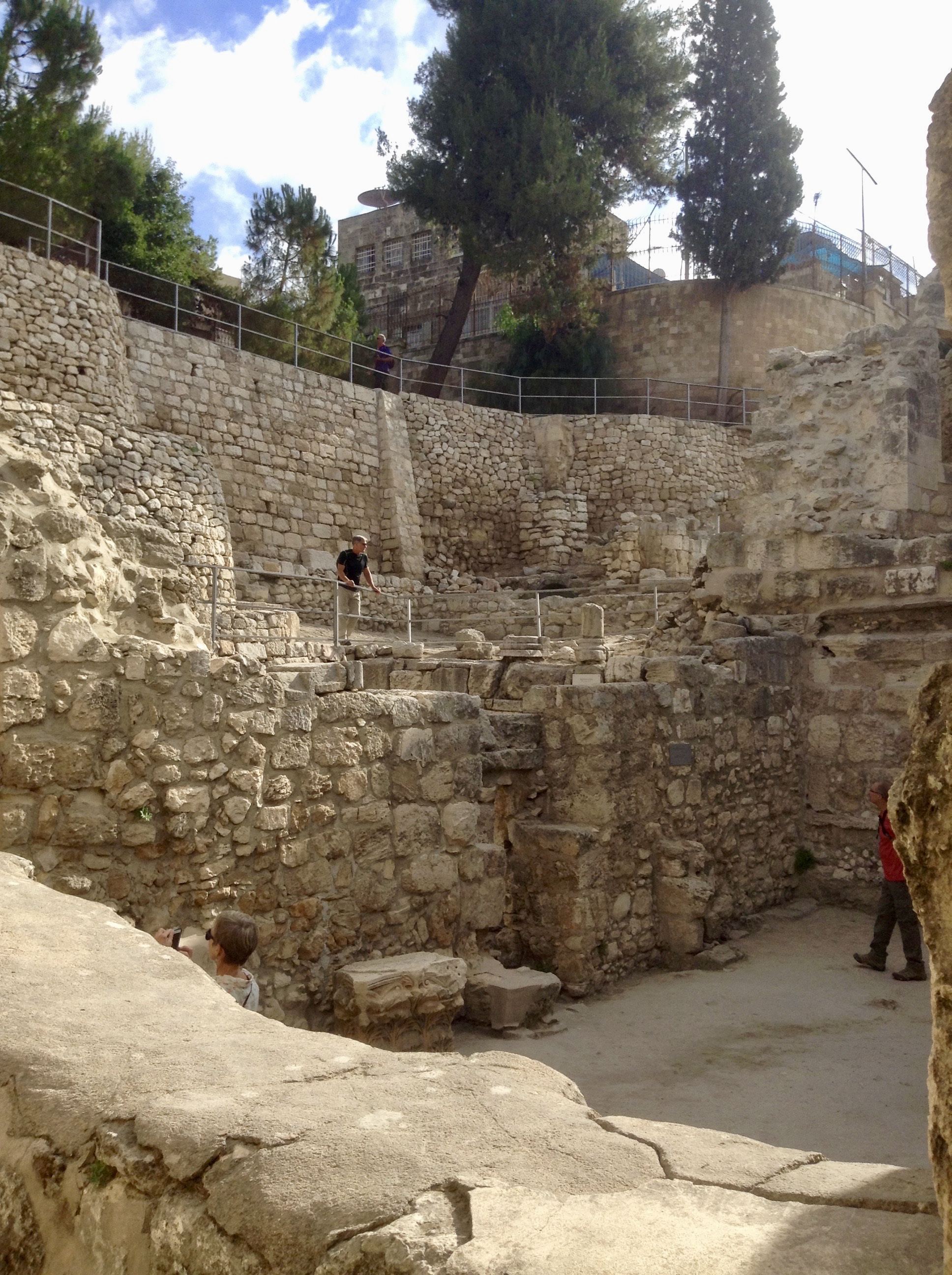
  This is the twenty-second post in a series of reflections on my trip to Israel in the summer of 2016. I’m almost done, I promise (to read them all,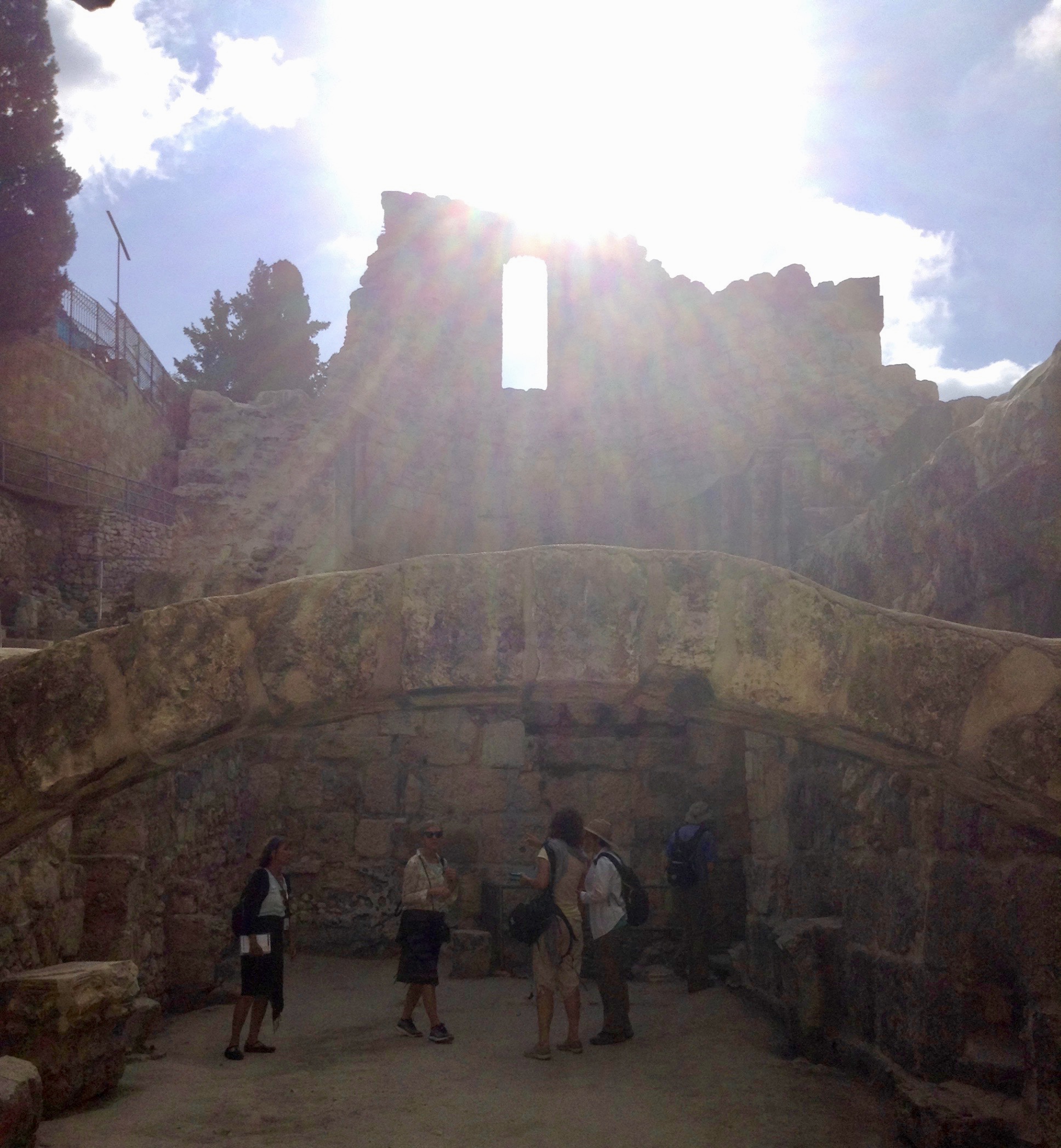
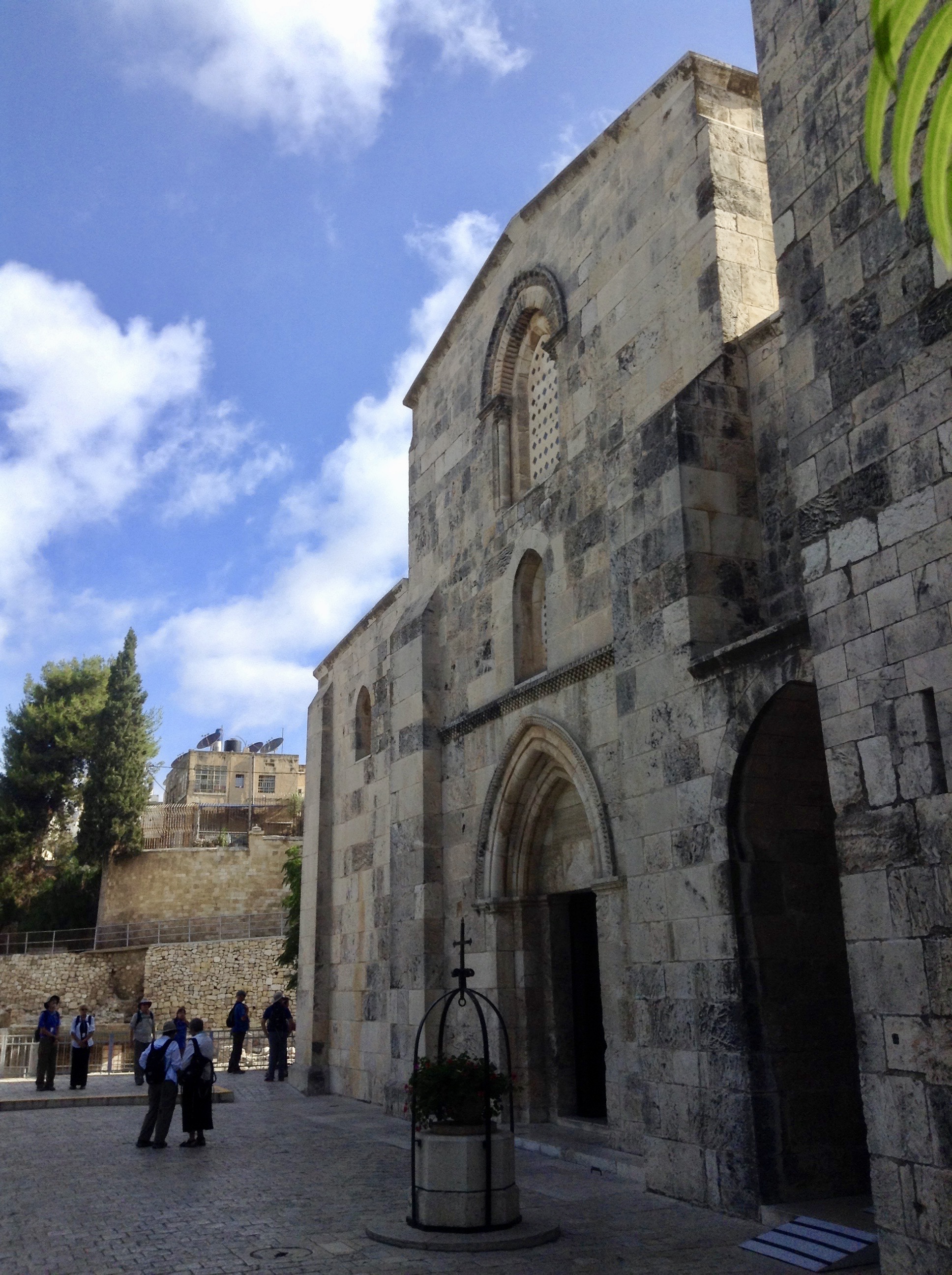
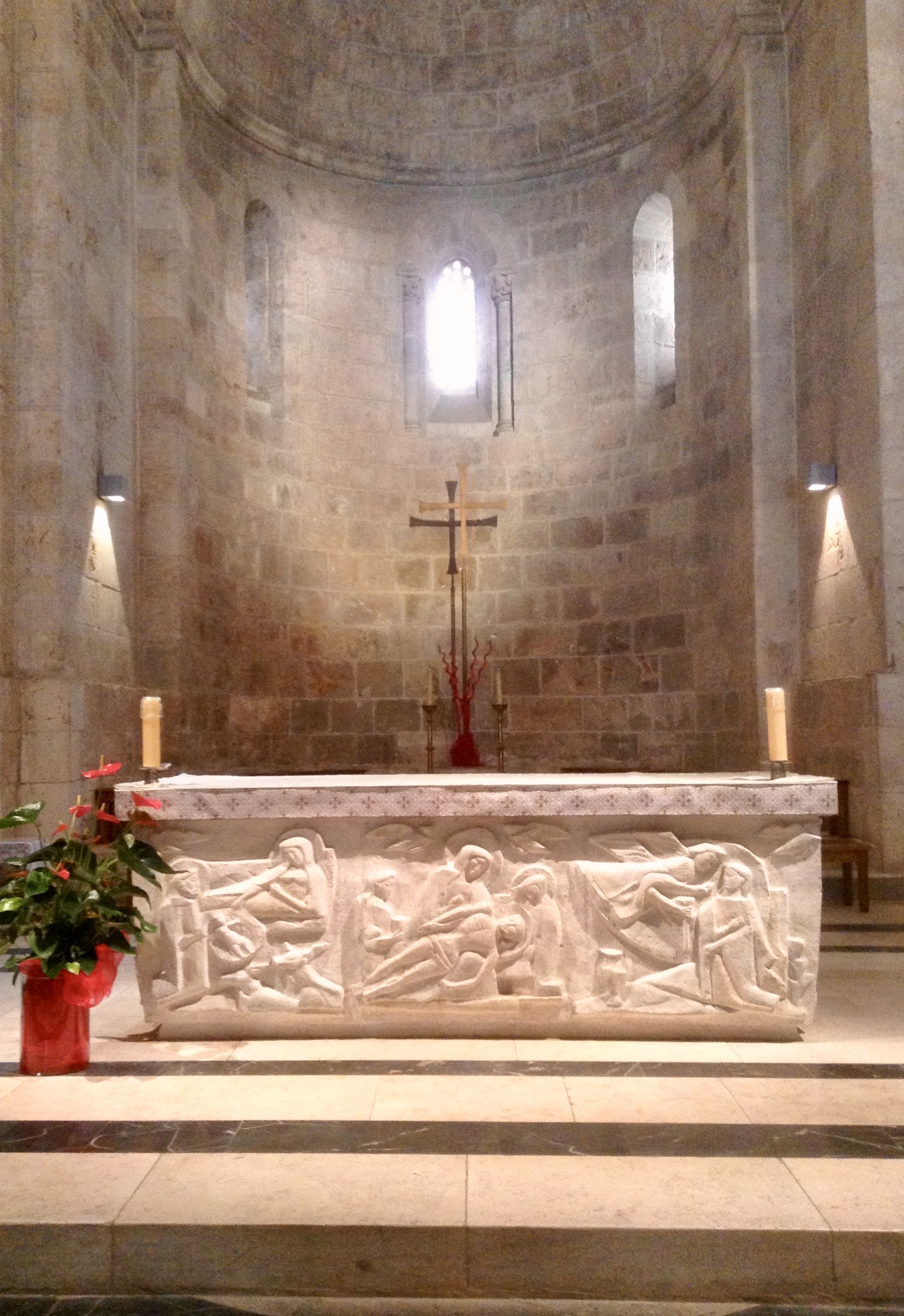
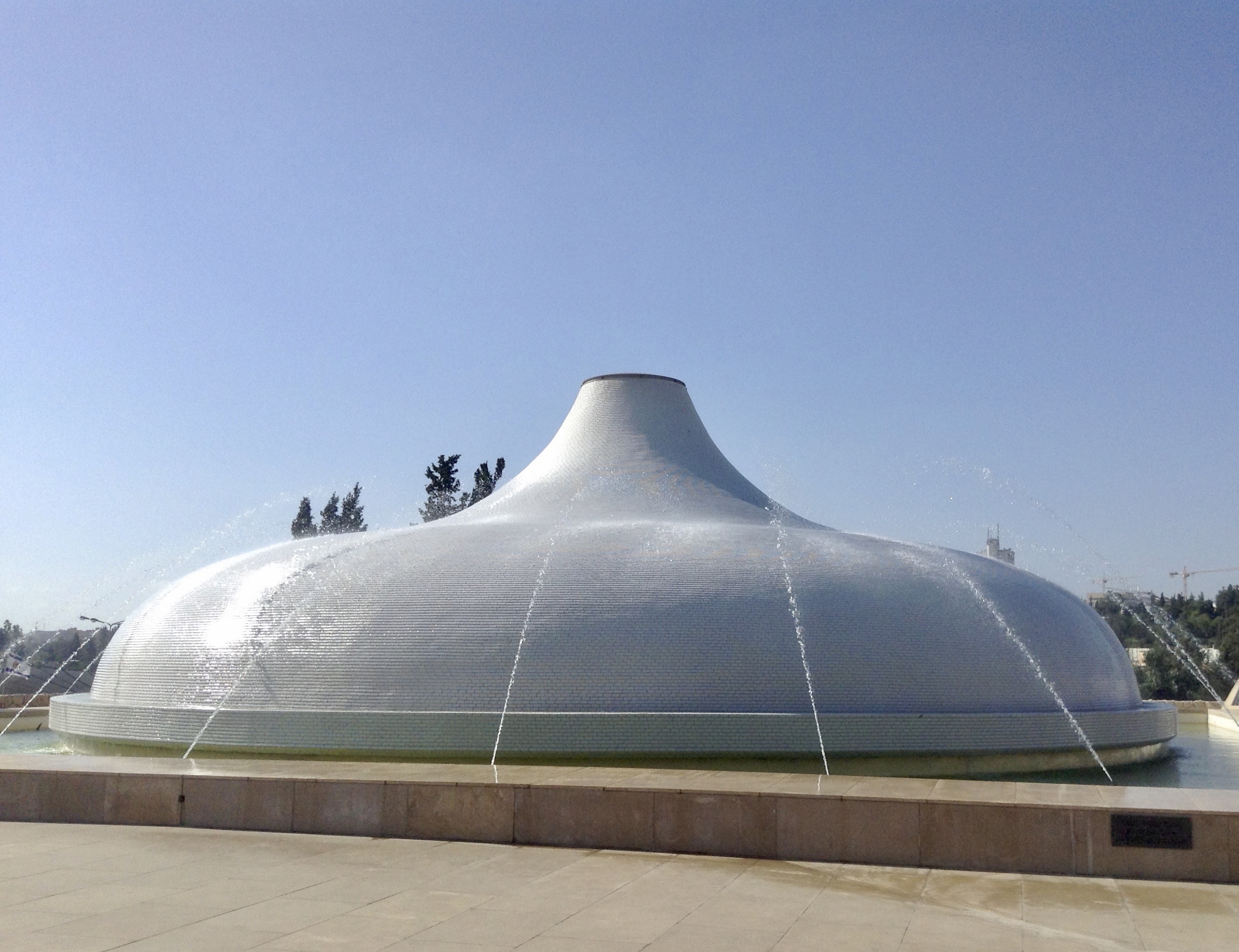 The Shrine of the Book is on the grounds of the Israel Museum, which is focused on art and archaeology. Also on the grounds, close to the Shrine of the Book, there is an open-air model of what first-century Jerusalem looked like before the revolt that began in AD 66 and ended in the destruction of the city, including the temple.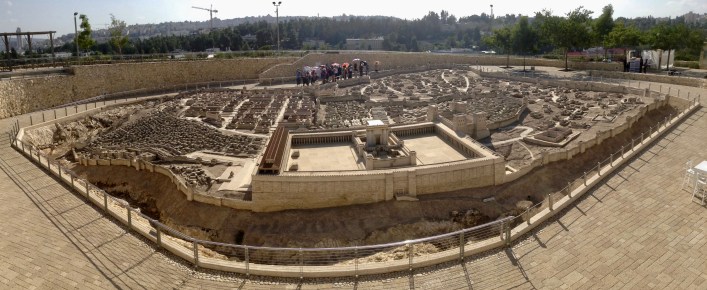
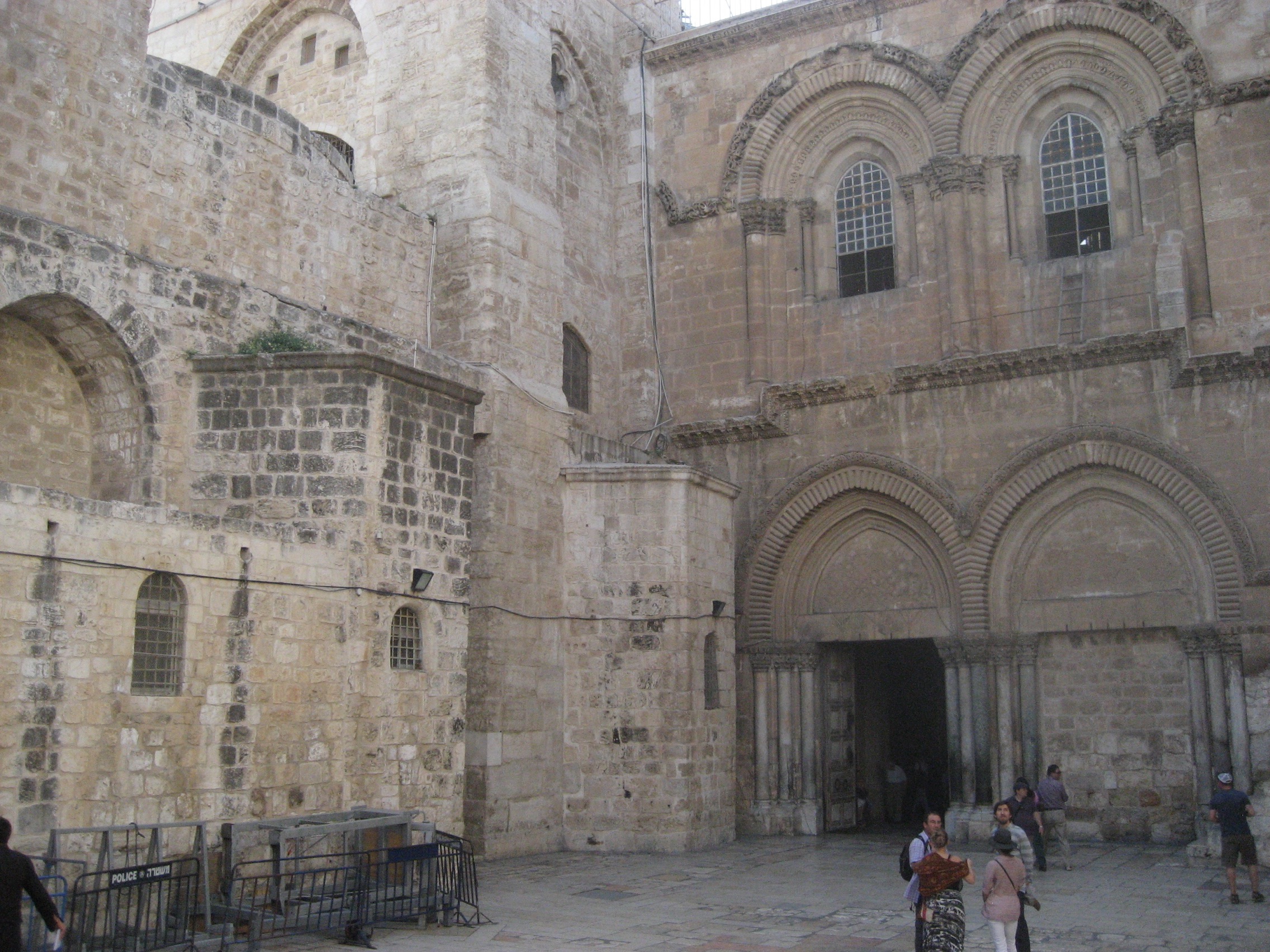 At this point I can’t remember what I noticed on the first visit versus the second visit a couple of hours later, so I’ll just give some overall impressions. Just inside the entrance to the church is a large stone slab. I didn’t know what it was, but I saw several people (mostly women) kneeling around it with bags they had brought with them. Out of these bags they took items like small crosses or pieces of cloth and rubbed them on the slab, then put them back in the bags. I found out later that this is called the Stone of Anointing, where Jesus was allegedly prepared for burial.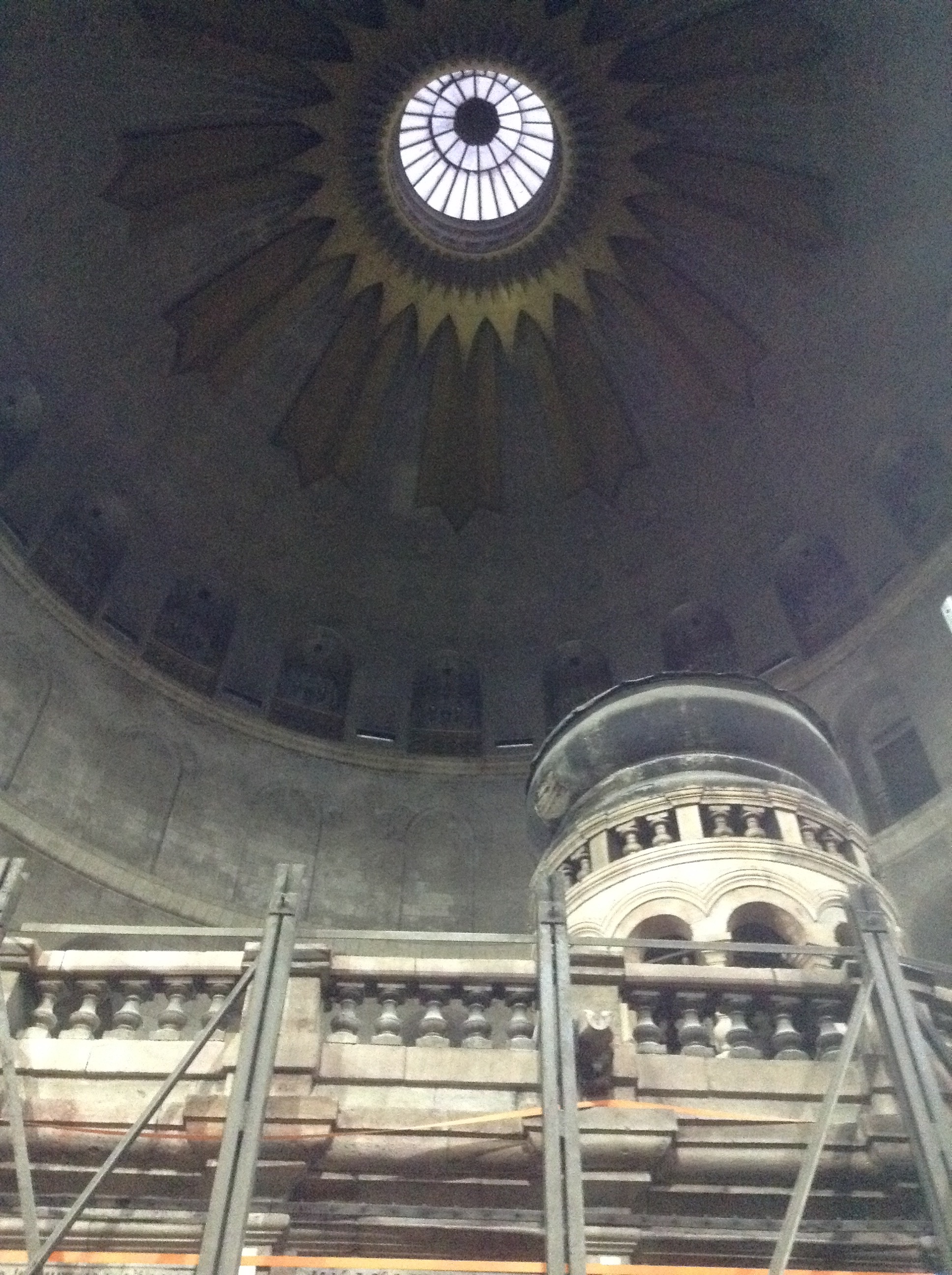

 Elliot Ritzema