Category: Travel

  • Sioux Falls to Rapid City

    Sheesh, I really need to finish writing about this road trip before it becomes a distant memory.

    On Sunday morning in Sioux Falls, SD, my brother and I got up and went to my buddy Dave’s church – First Evangelical Free of Sioux Falls. It was good to see where Dave had come from, church-wise, and it seemed like a nice enough church. The people were friendly, and it seemed like your typical evangelical church in terms of its architecture and style of service: large, clean building, not a lot of decoration, service very sermon-centered. I’m not trying to find fault with that here; I just noticed it because it was quite a bit unlike the Anglican church that Dave goes to in Vancouver. Dave preached, and did a bang-up job of it too, I might add.

    On our way to Rapid City (which is at the western end of the state), we went east instead of west for a few miles. The reason for this is that I had never been to Iowa before, and Sioux Falls is right on South Dakota’s border with Iowa. So we drove across the river and, predictably, we saw a “Welcome to Iowa” sign right next to a cornfield.

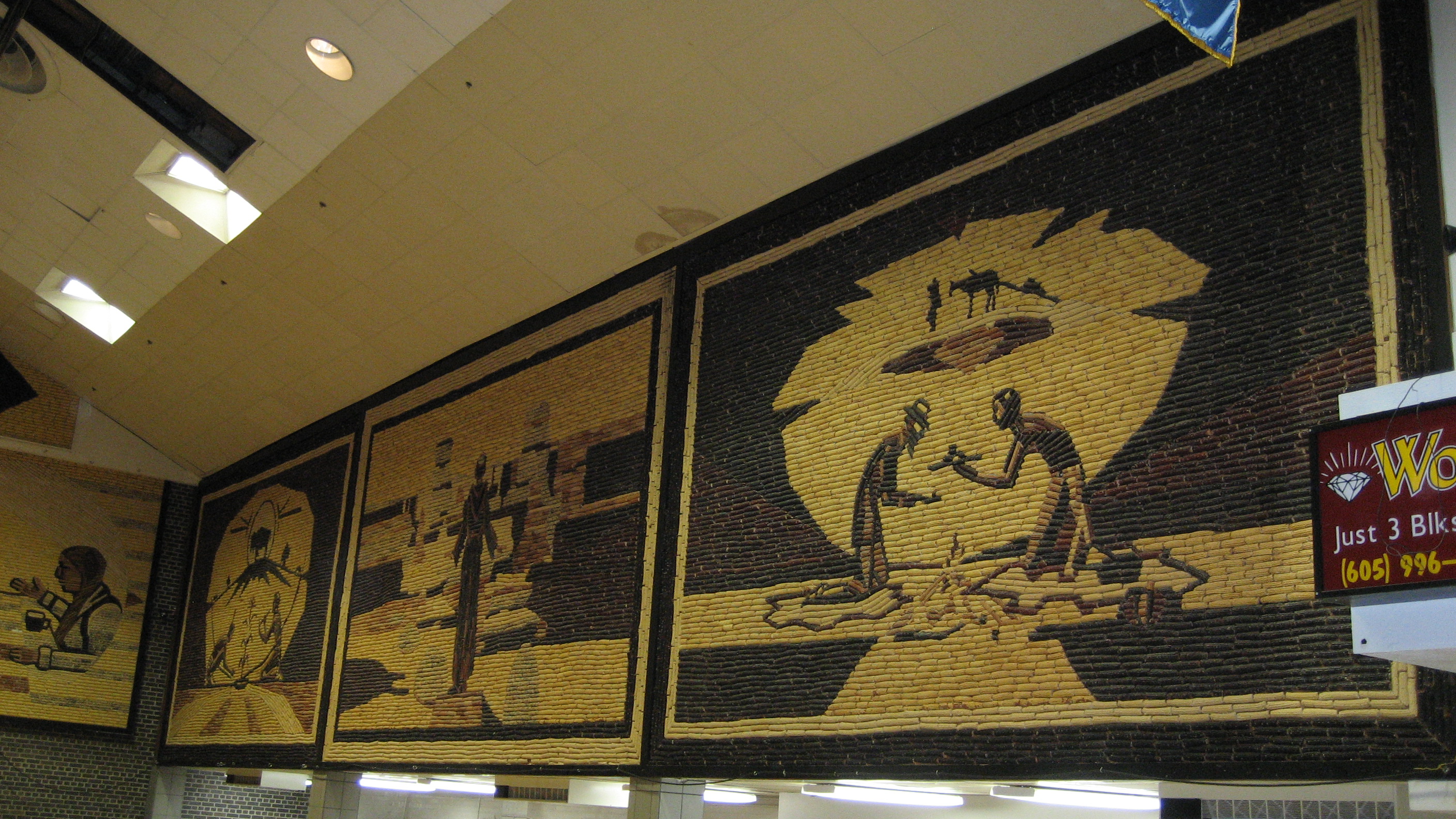
    After taking a picture, we were on our way west on I-90 to Rapid City. Not too far away from Sioux Falls, though, we stopped in Mitchell to have a look at the famous Corn Palace. Every year, they decorate the Corn Palace, inside and out, with corn. Here is Mt. Rushmore made of corn:

    And a few other murals inside:

    My brother standing outside:

    With all that corn around, I got the hankerin’ for some:

    And then, we were on to the Badlands. From I-90, there is a loop that heads south from the highway, through Badlands National Park, and then back up to the highway. We took this loop, stopping along the way at various pullouts and the visitors’ center to take pictures. It wasn’t the best day for hiking, even if we had been interested: it was blazing hot.

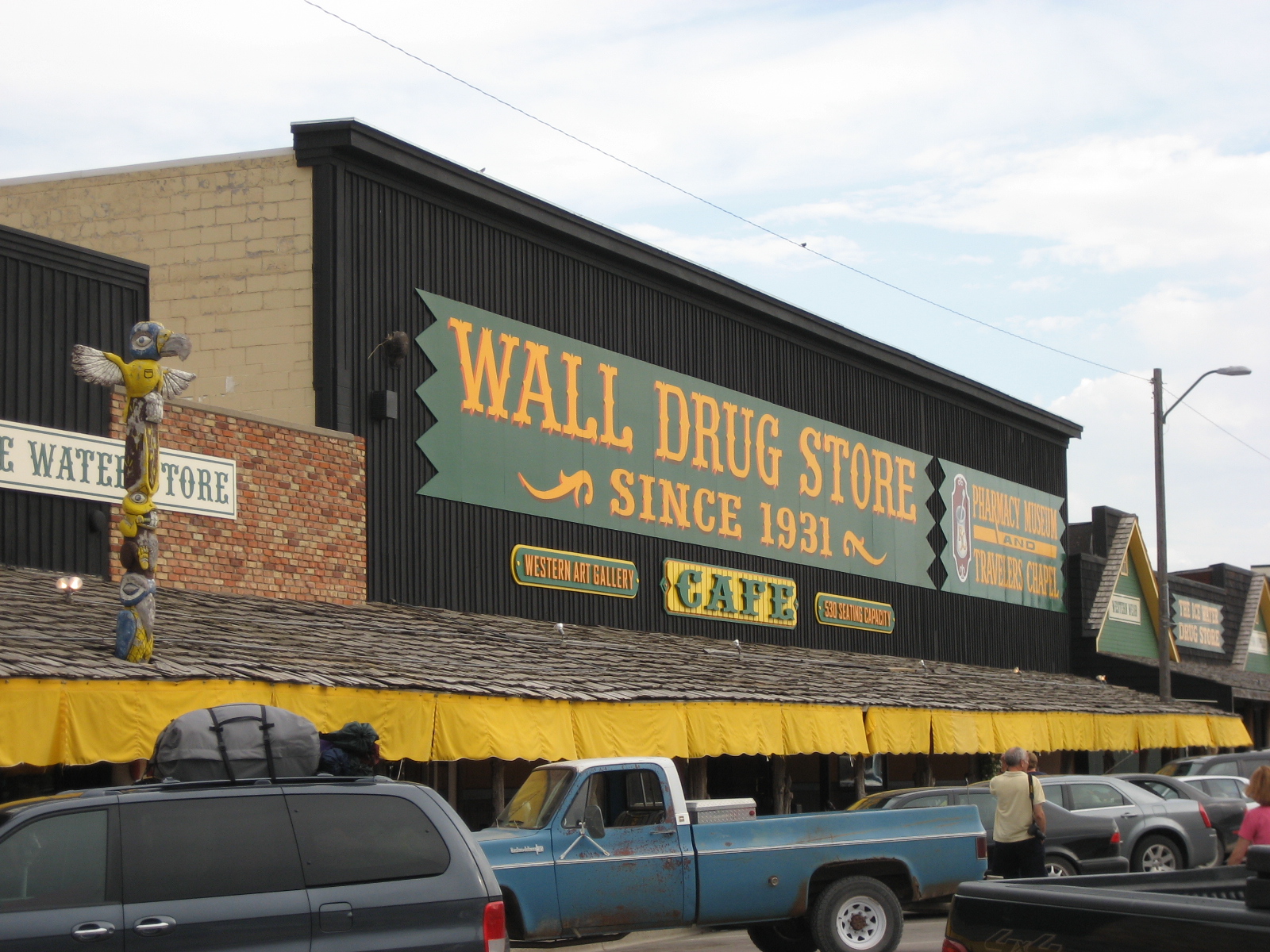
    The end of the Badlands loop brought us to Wall, SD, home of Wall Drug Store – and little else. We stopped at Wall Drug and picked up a few things, and then headed on to Rapid City.

    Once we got to Rapid City, we checked into our hotel, had dinner at a ’50s-style diner across the parking lot, and relaxed in the room until it was time to go to bed.

  • Wauwatosa to Sioux Falls

    On Saturday, August 23, my brother Jas and I drove from Wauwatosa to Sioux Falls, SD. Jas had driven this stretch of I-90 several times before, since his brother-in-law is a doctor at the Mayo Clinic in Rochester. After Rochester, though, we were both in a place we had never been before.

    At a rest stop, we got to see how country singles meet:

    Austin, MN is the home of Hormel, the maker of Spam. While passing through, Jas and I stopped at the world’s only Spam Museum:

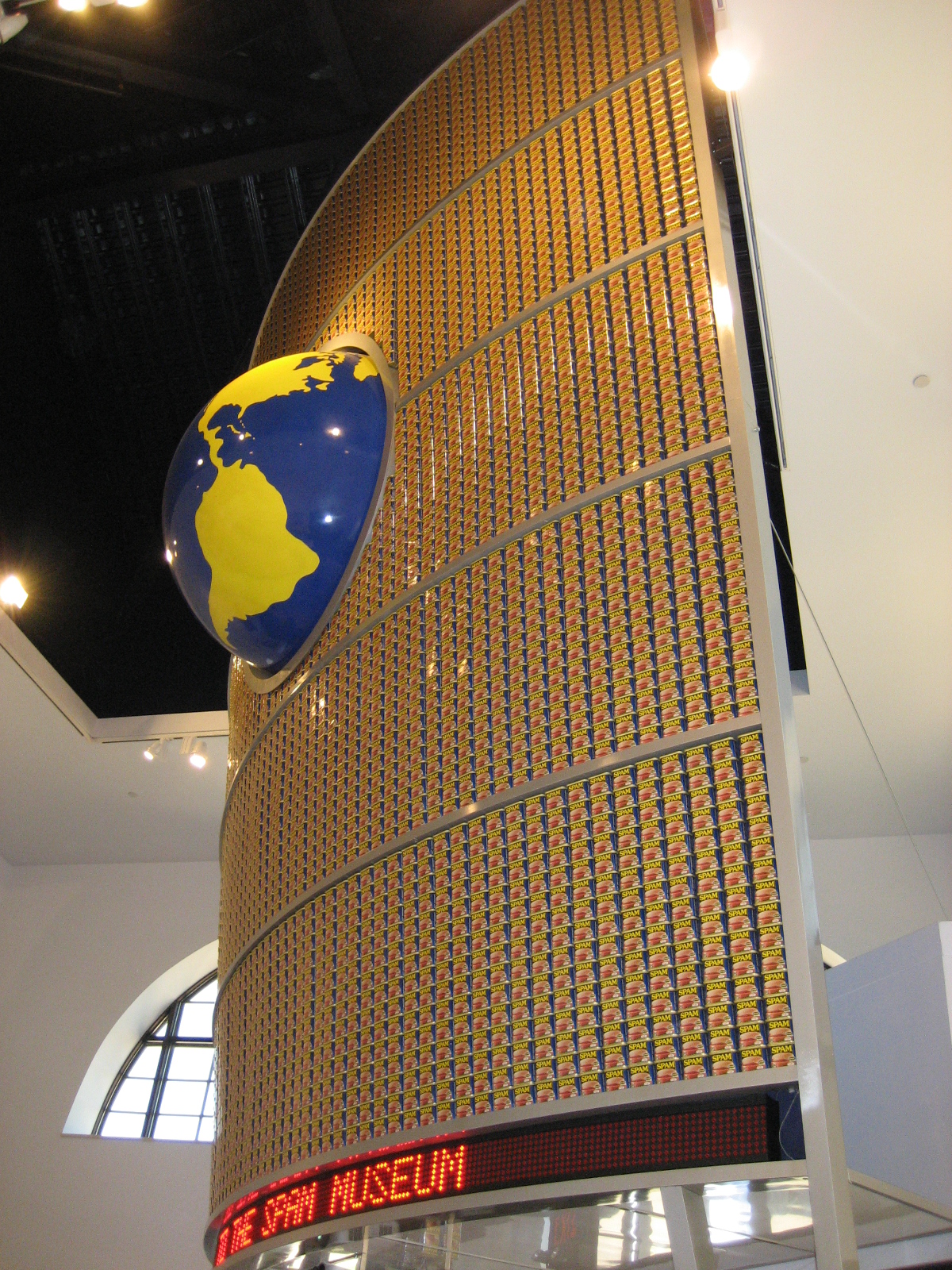
    They had a Wall of Spam just inside the entrance:

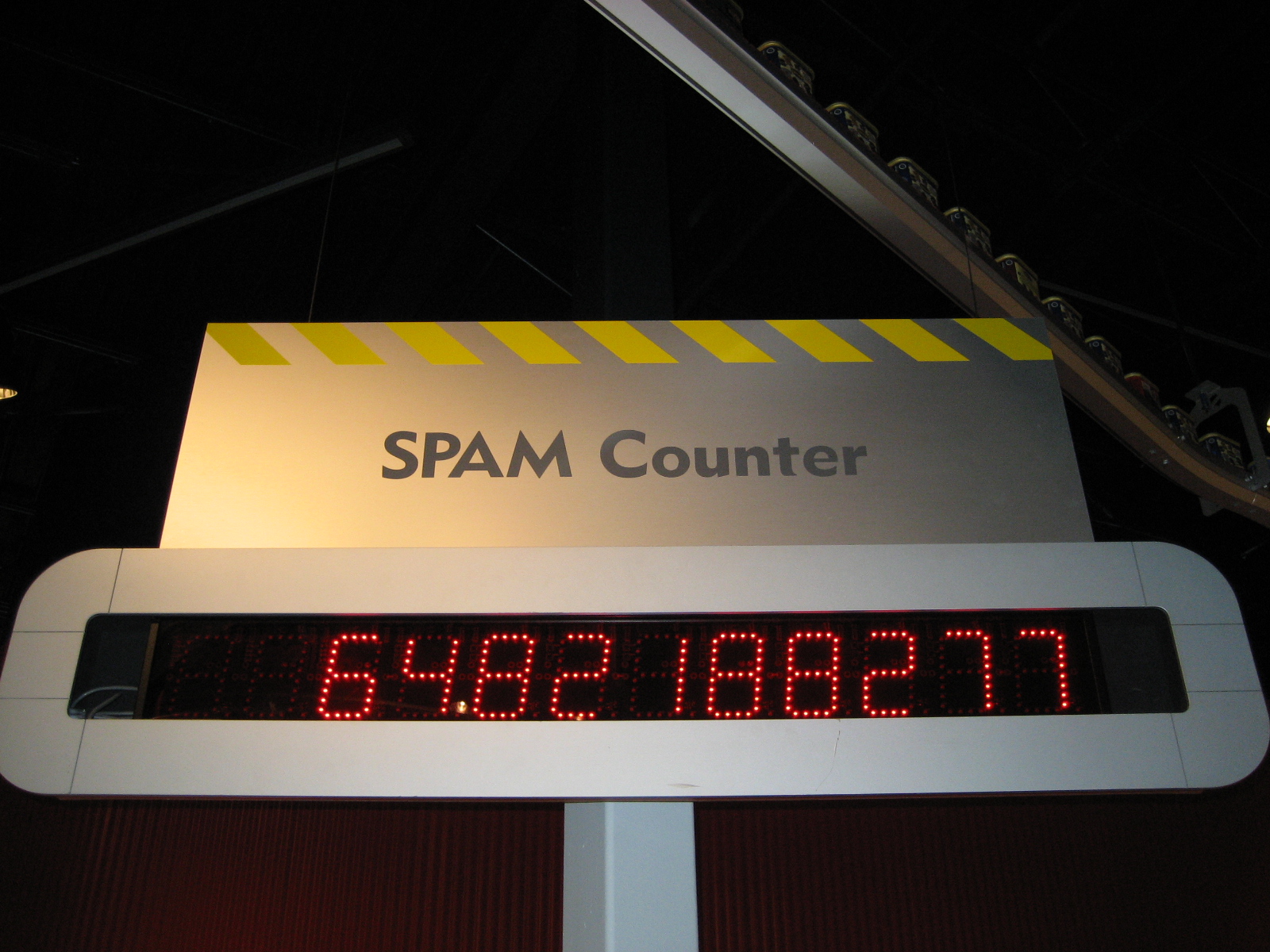
    They also had a Spam Counter, which told us how many cans of Spam had been sold since its introduction in 1937.

    Brett Favre was also there, eating a burger, with a milk mustache, and wearing a Spam jersey that he had signed:

    There was also a video screen that repeatedly played the famous Spam sketch from Monty Python.

    It ended with a gift shop, as it should. The museum itself was free.

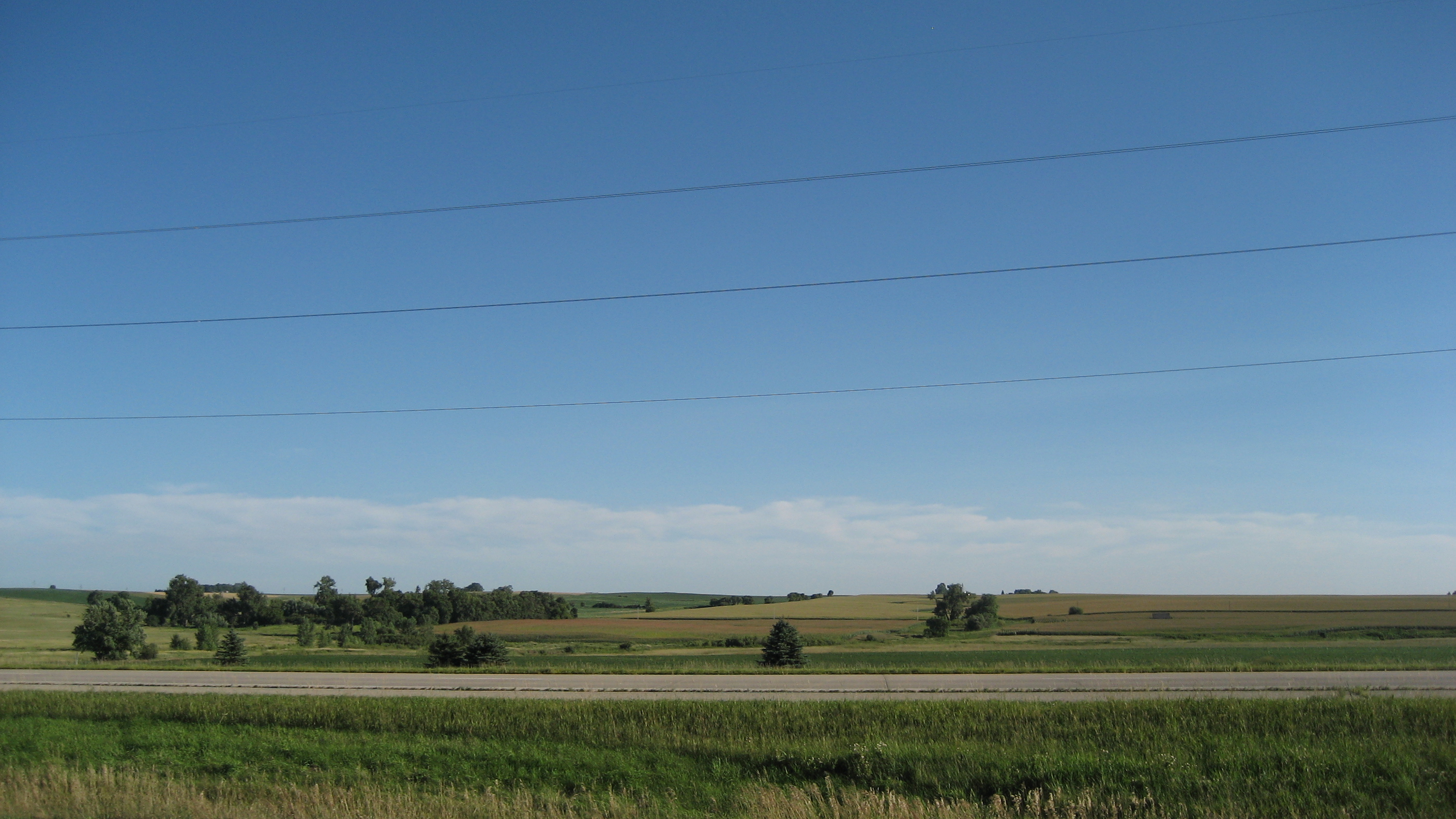
    Then we continued driving through southern Minnesota:

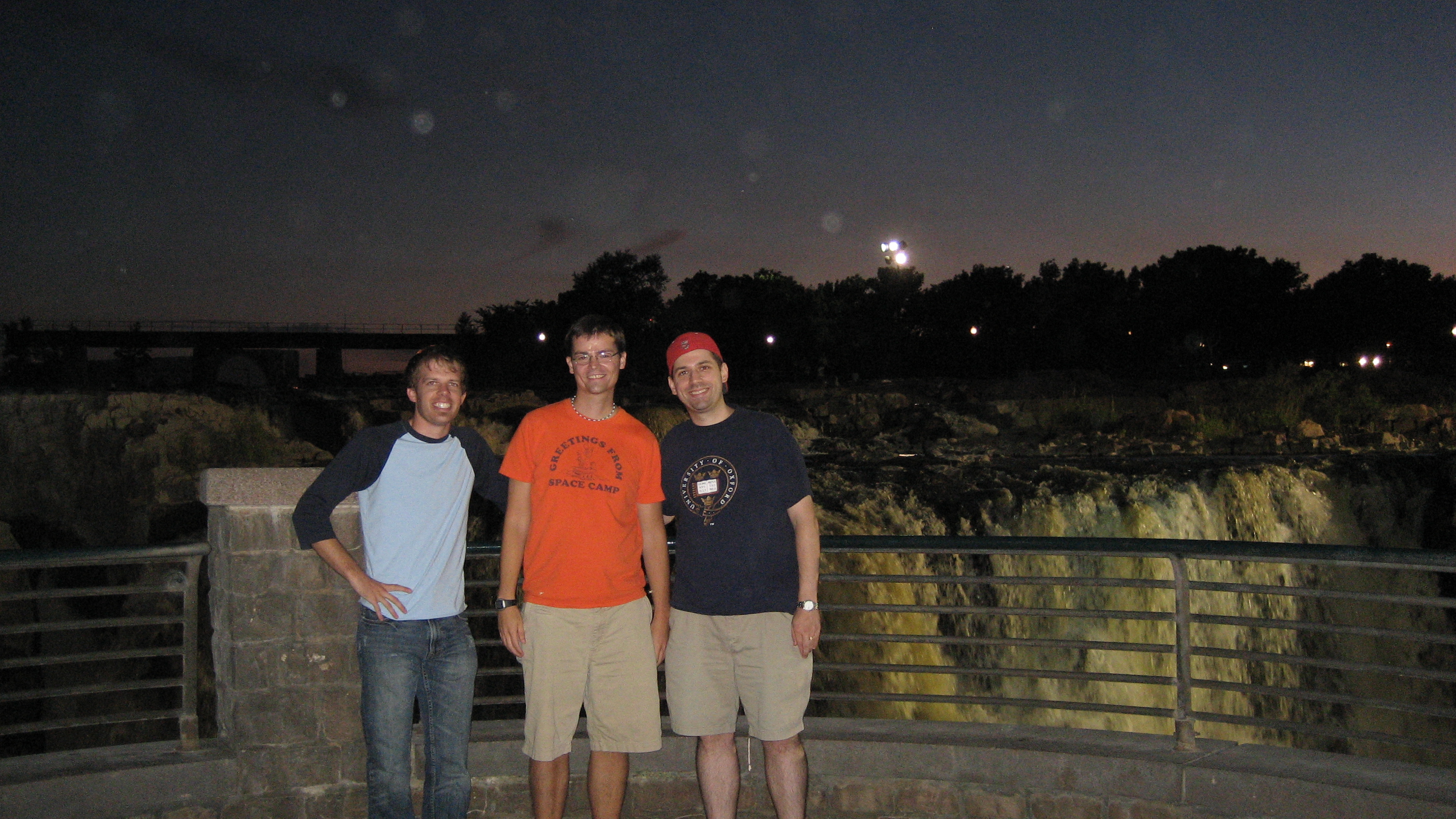
    And we ended up in Sioux Falls, where we had dinner and stayed with my buddy (and former roommate) Dave from Regent. Oh, and we also went to see the Falls:

  • Louisville to Wauwatosa

    After spending a day and a couple of nights in Louisville, I drove through Indiana, and the Chicago area, to Wisconsin to visit my brother and his family.

    The drive was relatively uneventful, but I will make a few comments:
    1. Based on what I saw during the day I was passing through, I would not recommend speeding in southeast Indiana. I probably saw 10 cars pulled over by the police within the space of an hour and a half.
    2. If you want to save on gas mileage, move to Indiana. It’s flat, and the speed limit on the highway isn’t 75 like it is in the western states (It’s lower).
    3. Don’t EVER drive through Chicago, if you can help it. Especially if there is construction going on. And there always seems to be in the summer months.

    After I got to Wisconsin, I spent some time hanging around with my sister-in-law and two nephews until my brother got home from work.

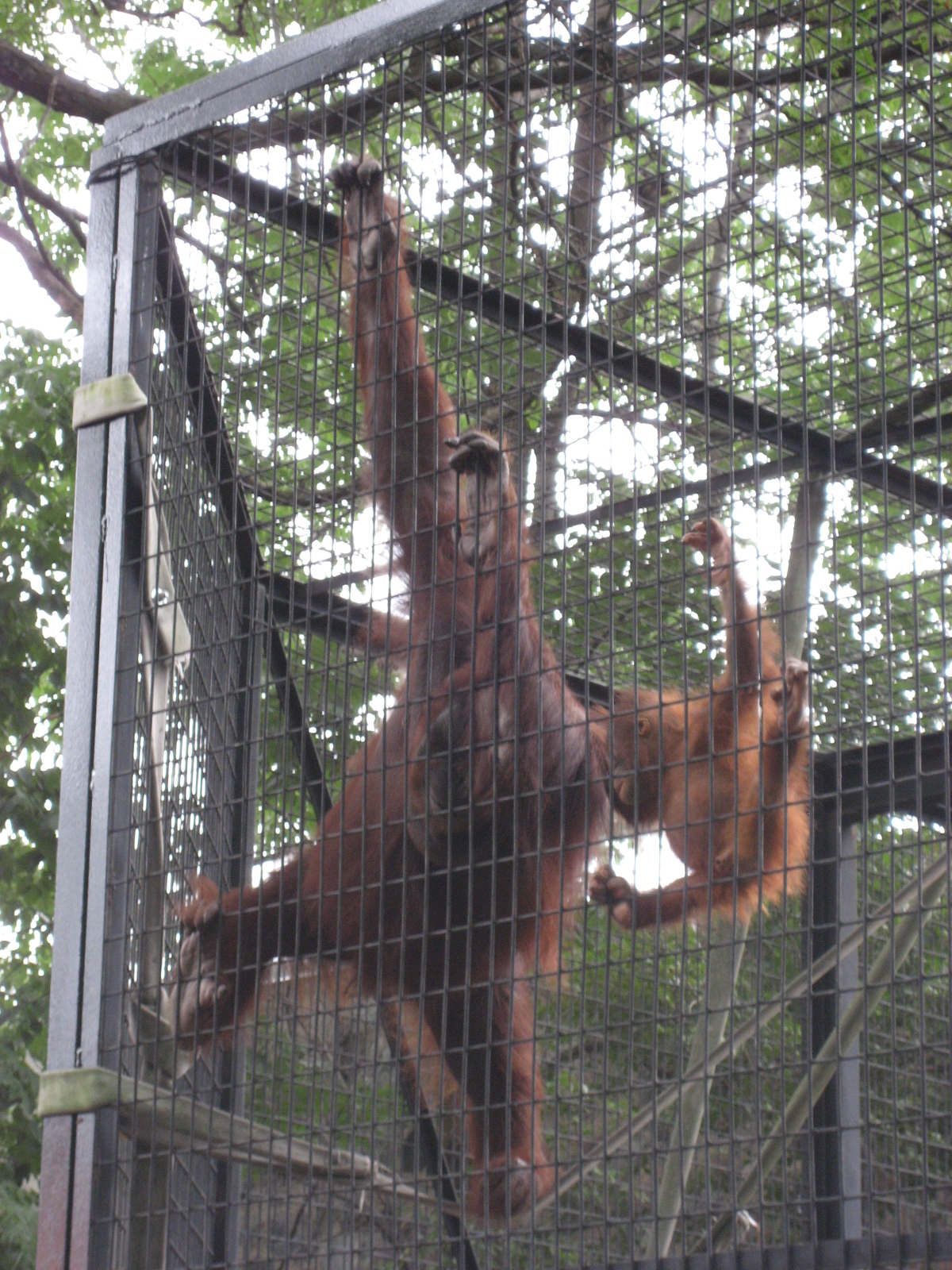
    The next day was an eventful one. I went to the Milwaukee County Zoo with my sister-in-law and nephews, where we saw some orangutans:

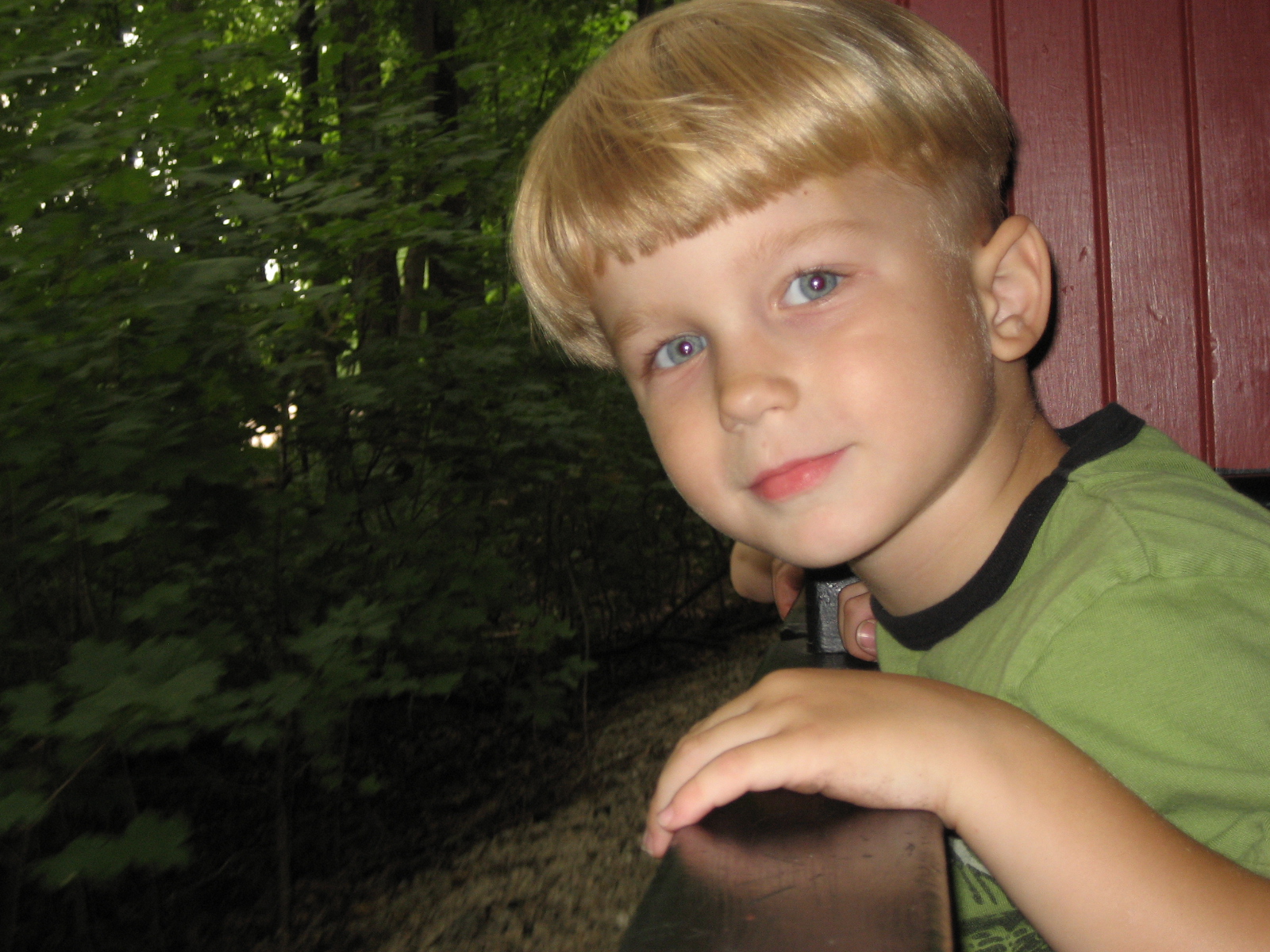
    and Calvin and I rode the train:

    Then I got in touch with my friends from Regent, Ryan and Tony, and we all went on a tour of the Miller Brewery. At the beginning we were shown a video which began with the words: “From the beginning, man has longed for Miller Time.” From there, it mentioned “Miller Time” perhaps dozens of times. The tour was fun (and we got free samples at the end), but it was mostly good to catch up with Ryan and Tony:

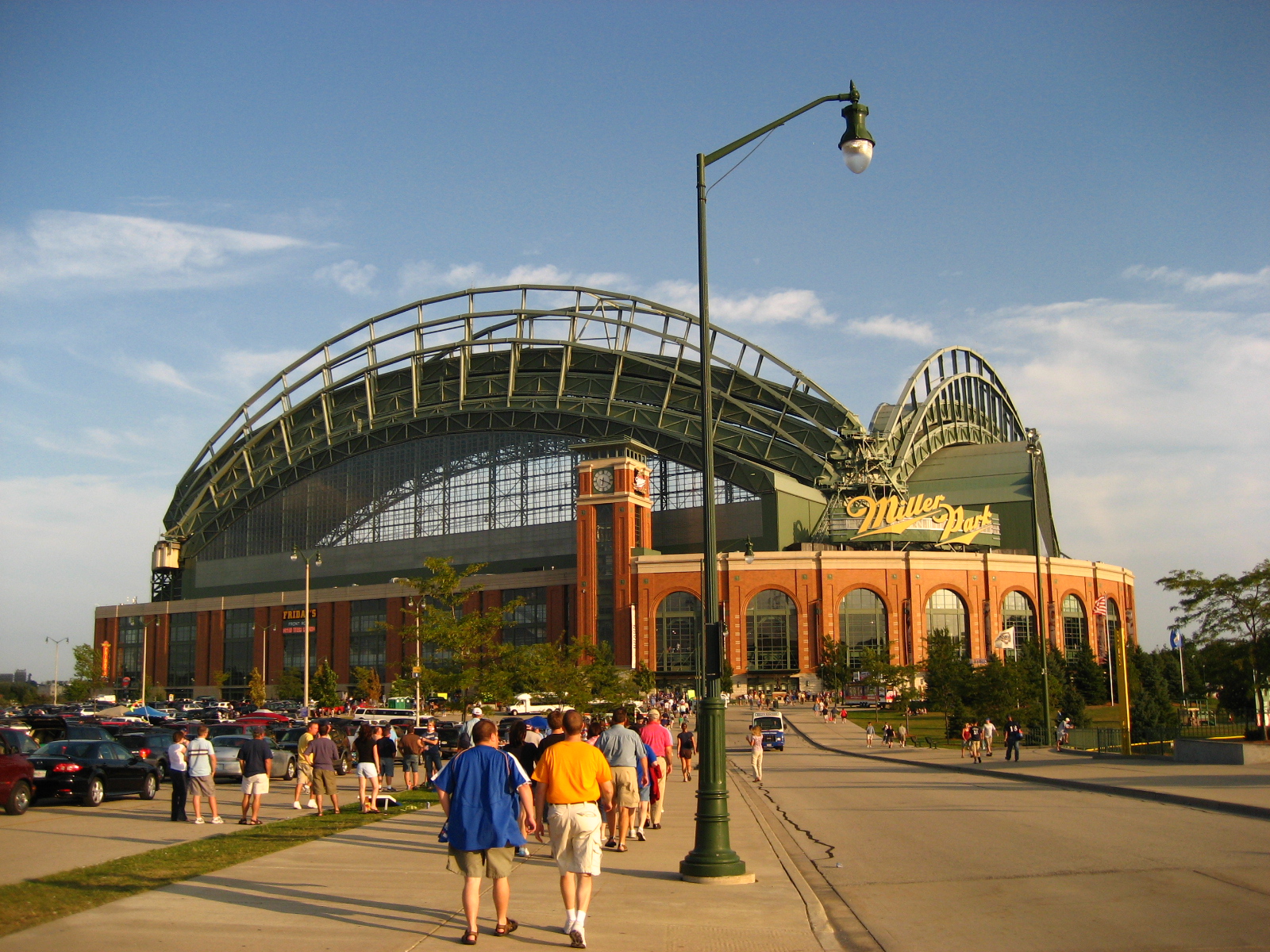
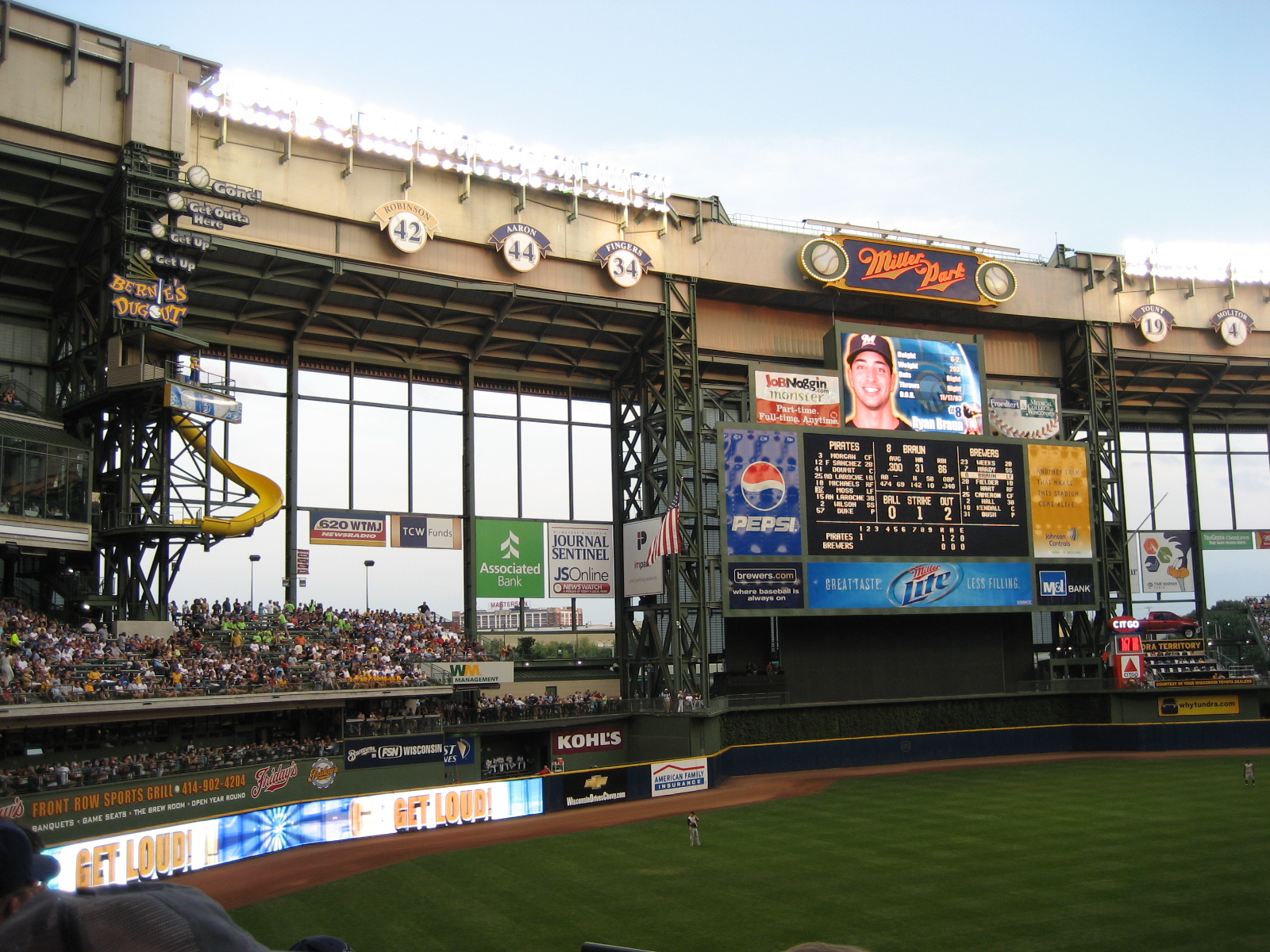
    Later that day, my brother and I went to Miller Park to see the Brewers play the Pirates. The Brewers have been selling out lots of games lately, so it was fortunate that we were able to get tickets. It was a great night: I had a brat with “stadium sauce” on it, and the Brewers won, 10-4.

    You couldn’t ask for a better day. The only thing that could possibly have made it better would have been if Bernie Brewer (the Brewers’ mascot) still slid into a huge beer mug after a Brewer hit a home run, like he did at the old Milwaukee County Stadium.

  • Fayetteville to Louisville

    My road trip from North Carolina to Washington began when I got into my little ’99 Mercury Tracer and left Fayetteville, NC on a warm August day. On my way out of town, I took this picture to show people in the northwest that an “ABC store” is a liquor store.

    I don’t think they have anything they call “ABC stores” in Washington, but some have been influenced by visits to Hawaii to associate the name with the convenience store chain there.

    I drove northwest until I hit highway 40 around Winston-Salem (home of the R.J. Reynolds Tobacco Company – hence its name sounding like two brands of cigarette). Just north of town, I stopped at a Bojangles‘ fast food restaurant before I got too far north and wouldn’t see them anymore. Bojangles’ is famous for its chicken and biscuits, though I tend to make sure to get sweet tea and a sweet potato pie whenever I go there. I didn’t go to Bojangles’ very much when I was growing up; I just took it for granted. But when I went to college in Richmond, VA, just far enough north to be out of Bojangles’ orbit, I began to grow nostalgic for it. Now, whenever I go back to North Carolina, I make sure to stop there at least once so I can get a kick out of looking at the menu and seeing side dishes called “fixin’s.” It was a good thing that I stopped at this one, because it was the last one I saw on the trip.

    I then continued north on highway 52 toward Mount Airy, which is the hometown of Andy Griffith and the inspiration for Mayberry. I’ve been through there many times before on my way to and from Michigan to visit relatives, but this trip I cut over to interstate 77 before I got there. I took I-77 north to Charleston, WV and got off the highway to look at the capitol. I’ve gone back and forth between North Carolina and Michigan perhaps dozens of times, and each time I looked out the window at the West Virginia capitol, which is only a few blocks from the highway. On this trip, though, I stopped and took a look around.

    And boy, am I glad I did! For one thing, they have this great statue of Senator Robert Byrd in the rotunda. If you just glance at it, you could almost convince yourself that he has a Ziploc baggie in one hand, and is pointing at a pile of feces that his dog left on the floor. Or maybe that’s just me.

    I drove west from Charleston on interstate 64, and this stretch of road (as well as during my time in Louisville) I encountered some of the worst driving of the trip. I experienced more people cutting me off, and changing lanes without signaling, during this stretch of the trip than any other time. Including when I was driving through Chicago. Unbelievable.

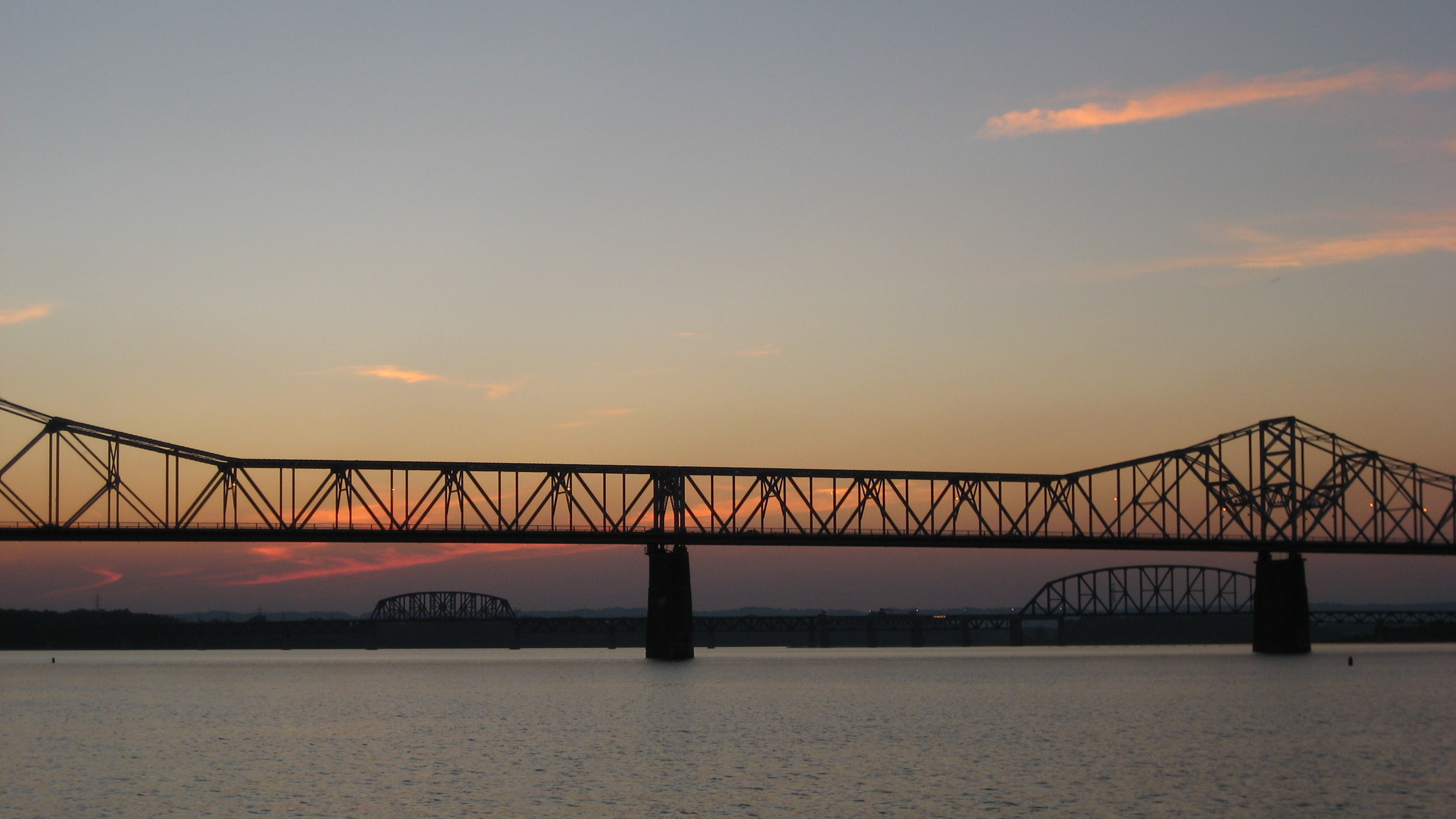
    In spite of crazy West Virginia and Kentucky driving, I made it to Louisville, where Ryan and Sarah, friends from college, recently moved. They were great hosts, and took me around to see the city. That night, we went to the Ohio River as the sun was setting:

    The next day, I went on a tour of the Louisville Slugger museum, stopped by Churchill Downs, and visited Southern Baptist Theological Seminary. Just in terms of appearance, it is worlds away from Regent, where I went. For starters, they have more than one building. It looks more like a small, southern liberal arts college than anything else, though it did remind me a little of Princeton seminary, which I visited several years ago. The only building I went inside was their student union building, where I browsed around the bookstore for a while and got a couple of books.

    After Ryan got off work that afternoon, the three of us went to the Jim Beam distillery, just south of Louisville. It is one of the many distilleries that are part of the Kentucky Bourbon Trail, and the nearest one to Louisville. It wasn’t bad, though they apparently don’t give actual tours of the distillery. They do let you inside the old Jim Beam home, though, and they do give samples. If I’d had a little more time, I would like to have gotten to the Maker’s Mark distillery in Loretto, KY. There, you can dip your own bottle in the red wax they seal it with.

    After that, we went to a place called Kaelin‘s for dinner. There are many places that claim to have invented the hamburger, but Kaelin’s is the only one (that I know of) to claim to have invented the cheeseburger.

    I did not eat one. Instead, I had something else for which Louisville is famous (but which I had never heard of before this trip): a hot brown.
    If you have never had one, and you’re not a vegetarian, my advice to you is: do.

  • Road Trip Recap

    Whelp, we finished with the road trip on Tuesday, my brother flew back to Wisconsin from Seattle this morning, and I’m back in Bellingham. It was a fantastic trip; I posted some photos from it on Facebook yesterday. If you are not on Facebook (or if you are, but haven’t gotten around to seeing the pictures yet), here is a link that you can use to look at them:

    Bros on the Roads – Road Trip 2008

    I’ll get around to blogging about specifics later, but for now here is a brief overview:

    Number of states visited: 14

    Number of new states visited: 3 (Iowa, South Dakota and Montana)

    Number of new states for my brother: 3 (South Dakota, Idaho and Washington)

    Number of total states visited in my life: 41

    Number of state capitals driven through: 4 (Charleston, Frankfort, Indianapolis, Madison)

    Number of state capitols visited: 1 (West Virginia)

    Number of miles traveled: 3324.5

    Amount spent on gas: $411.42

    Gallons of gas consumed: about 110

    Cheapest gas: $3.37 / gal

    Best mileage for a gallon of gas: 35.55 mpg (I was driving through wonderfully flat Indiana)

    Worst mileage for a gallon of gas: 25.34 mpg (driving through mountainous western Montana. Also, speed limits in Western states tend to be higher, so we burned more gas going the same distance)

    Number of monuments to alcohol visited: 2 (the Jim Beam distillery and the Miller Brewery)

    Number of national parks visited: 3

    Worst drivers: Kentucky and West Virginia

  • Helpless Cruiser Syndrome

    Since I just got back from a cruise last month, this article jumped out to me when it appeared in my news reader:

    “Art Auctions on Cruise Ships Lead to Anger, Accusations and Lawsuits”

    The bad news is that lots of people go on cruises and buy pieces of art at auction that are apparently worth a lot less than they are told on the ship. The good news for Princess (the only cruise line I have any sort of loyalty to) is not part of the problem mentioned in the article.

    I feel sorry for these art buyers that they feel swindled, but I also wonder why they decided to make such large purchases on a cruise ship where it’s hard to make phone calls or get on the Internet to do research. I know I’m in a much lower income bracket than most cruisers, but I usually spend LOADS of time online researching purchases that I regard as substantial. And obviously these people regard their art purchases as being substantial, because they were upset enough to demand refunds and file lawsuits when they found out that the art was not worth as much as they thought.

    There is an explanation for all this, however. When on a cruise, some people seem to fall victim to what I will call “Helpless Cruiser Syndrome” (HCS) I saw it all the time as a tour guide. People can be extraordinarily intelligent and resourceful in real life; but have everything taken care of for you on board for a few days, and even the most resourceful people can become remarkably sheep-like.

    Cruises can be fun, but beware of HCS. Otherwise, you’ll end up paying a pretty penny for something like this:

  • Day 16 – Travel

    On our final day in Rome, we took our bags to the train station and boarded a train that took us out to Da Vinci Airport. We flew from Rome to New York. We had the obligatory wait on the tarmac at JFK and missed our flight to Seattle. However, there was another flight to Seattle leaving three hours later, so it gave us time to get our bags, go through customs, eat a little dinner and say goodbye to my dad, whose flight to North Carolina left first. Then Mary and I boarded our plane for Seattle and encountered something I’d never encountered before: built-in waiting time on the ground. Airlines know how crowded it is at JFK, and so they actually include an hour of waiting in line to take off into the flight time.

    But we did get in the air, and arrived in Seattle at about 11:00 at night. We had missed the shuttle that we were going to take up to Bellingham, but fortunately we could re-schedule it for the next day with no fees. We spent the night with some friends who live in Seattle, and then took the shuttle to Bellingham at 10 on the morning of June 20.

    It was a fantastic trip; my only regret is that we weren’t able to spend more time in each port. But that is the nature of cruising. It is hard to complain because we got to go on a wonderful new ship and see some fantastic ports. In all, we saw ten UNESCO World Heritage Sites (five in Greece, three in Italy, one in Croatia and one in Vatican City). I visited two countries that I had never been to before (Greece and Turkey). I got to travel with two great people who are easy to travel with. For the most part, we all agreed on the things that we wanted to see and do. I couldn’t have asked for a better trip to celebrate my graduation, on the one hand, and my dad’s 60th birthday, on the other.

    (It is now Choose Your Own Adventure time. If you would like to end on a positive note, stop reading here. If you would like to hear about what has been going on since we got back, read on.)

    It has now been almost a month since the trip finished. When Mary and I got back, we decided not to go to Alaska to work this summer, as we had been planning on doing. With unpleasant new developments in the company that we had worked for, we decided it was time to move on and remember the good times as they were. So we were left in Bellingham, looking for jobs.

    And we’re still looking. Turns out lots of people want to live in Bellingham, despite the fact that it is incredibly difficult to find a job here. Every day I expect to find a Ph.D flipping my burger or serving my latte. Mary and I have been surfing all the job boards we know of: Craigslist, the Bellingham Herald, WorkSource, Western Washington’s student job board, etc., etc. The result: Bupkus.

    But hope springs eternal. I’ve got a good lead on a job or two, but I will mention no names until I actually start working. I’ve been spending my newfound spare time studying for an adult Sunday School class I hope to teach at my church in the fall. The weather has been great. I finally know what people are talking about when they continually sing the praises of the summers around here. If I knew it was this nice, I sure would have grumbled a lot less during the drizzly, dark, purgatorial winters. God, after all, is faithful. I can’t end any better than that.

  • Day 15 – Rome (part 2)

    On Wednesday, June 18, we got up in Rome and had breakfast at the little cafe next to our B&B – a creme-filled croissant and a cappucino. My kind of breakfast. Then we were off to the major sight in Rome that was geographically closest to us: the Basilica of St. John Lateran. The nun who spoke to us the day before at the Pontifical North American College had recommended that we get to the papal audience a couple of hours early, like 8 a.m. But we decided that we would leave the best seats for the actual Catholics, and show up at around 10 for the 10:30 audience.

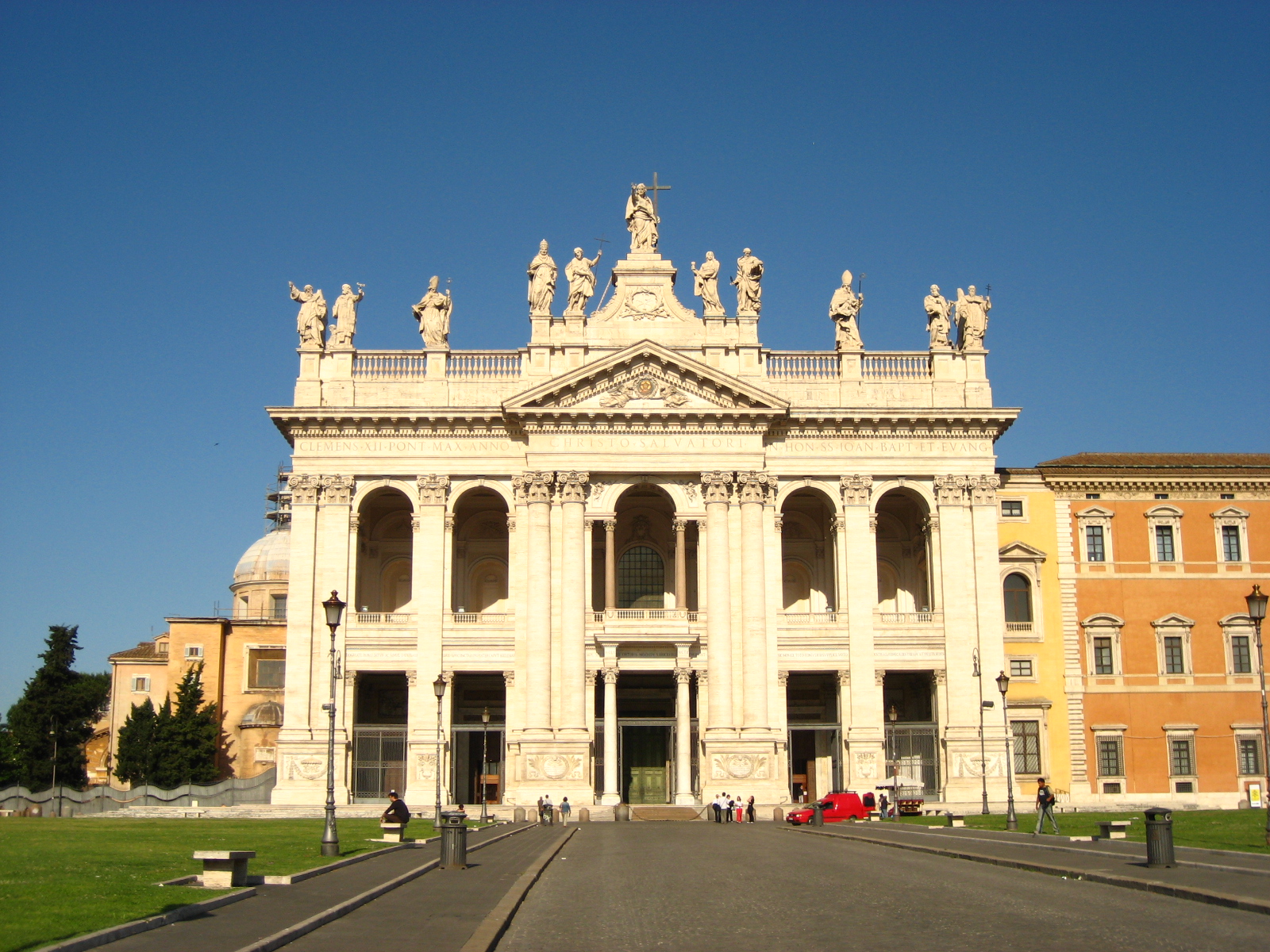
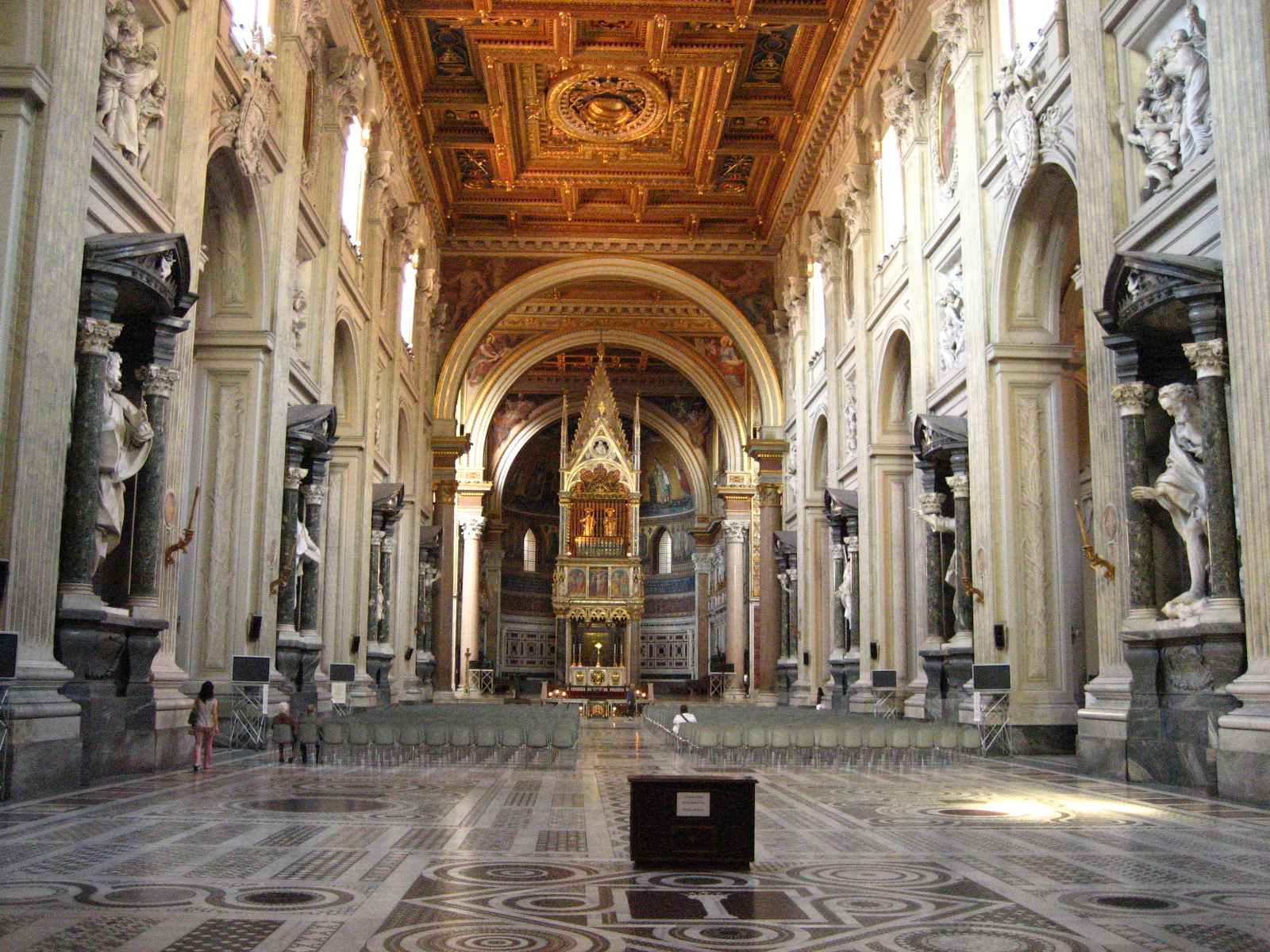
    So at 8, instead of arriving in Vatican City, we were walking up to St. John Lateran. Of the four basilicas in Rome, it is oldest and ranks the highest. Even though the Pope lives right next to St. Peter’s in Vatican City, his cathedral church is this one – it’s older than St. Peter’s, and the popes even lived in a palace next door until 1309, when the papacy temporarily moved to Avignon, France.
    As you can see, the weather was wonderful. And once we got inside, there were very few other people there. There were a few other tourists like us, and a few people who apparently were just stopping in to pray on their way to work. After being in crowded churches for most of our first day in Rome, this was a welcome change.

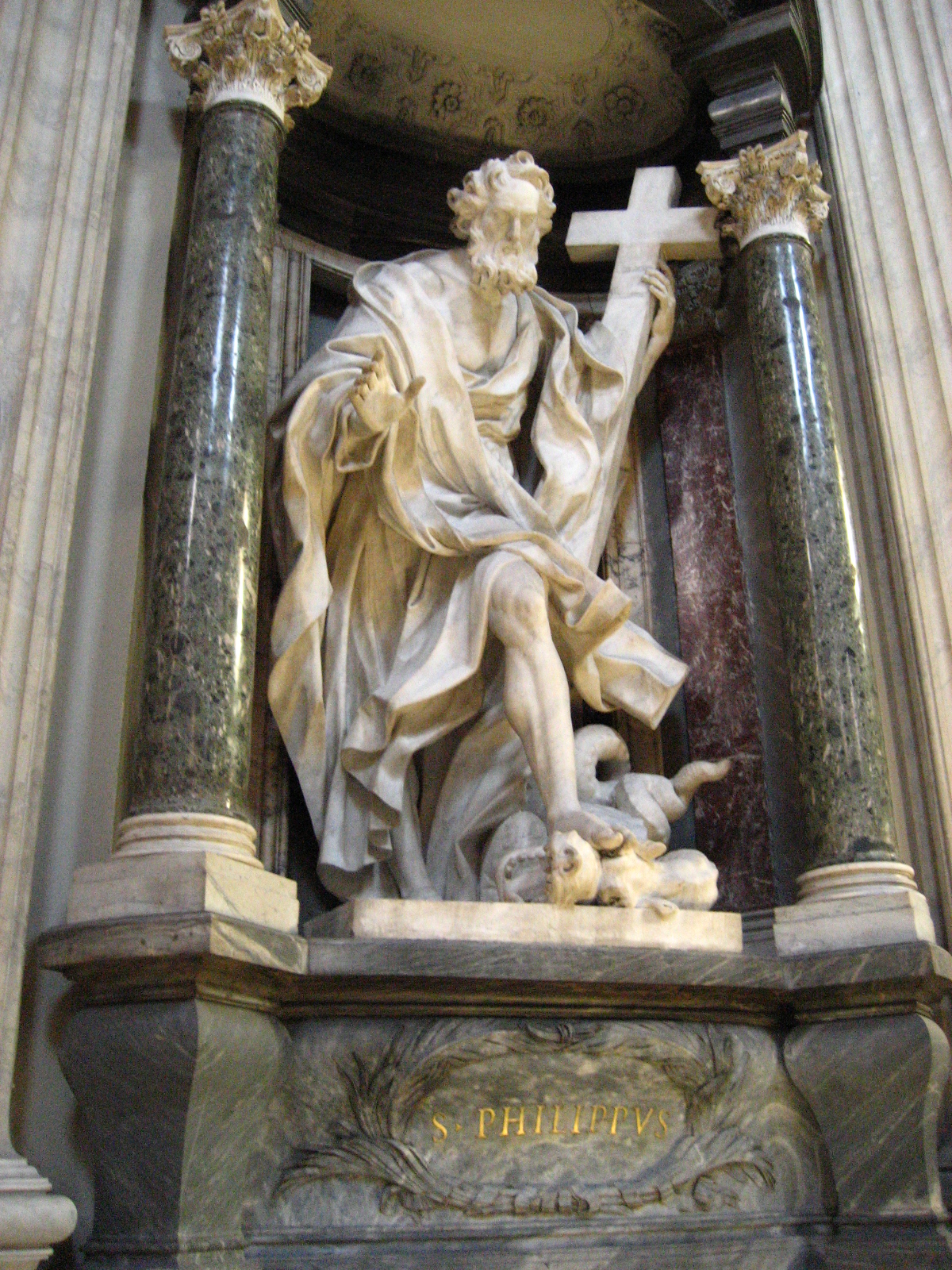
    Even though the church is a very old one, its current construction is Baroque. One of my favorite things about it was the statues of apostles in the nave, like this one, of Philip:

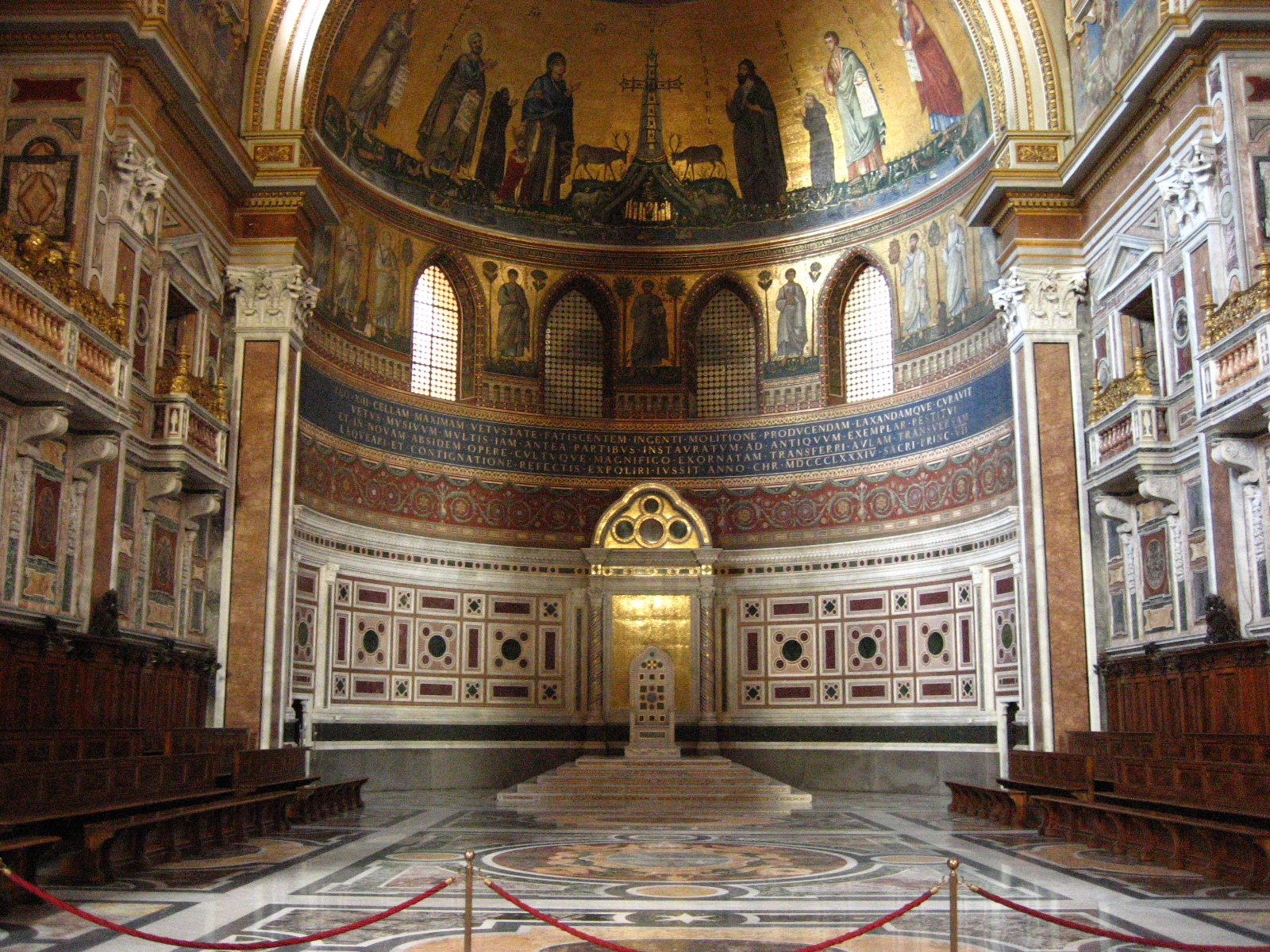
    Here is the papal cathedra, located in the apse:

    Here is a picture of the nave, with the statues on either side:
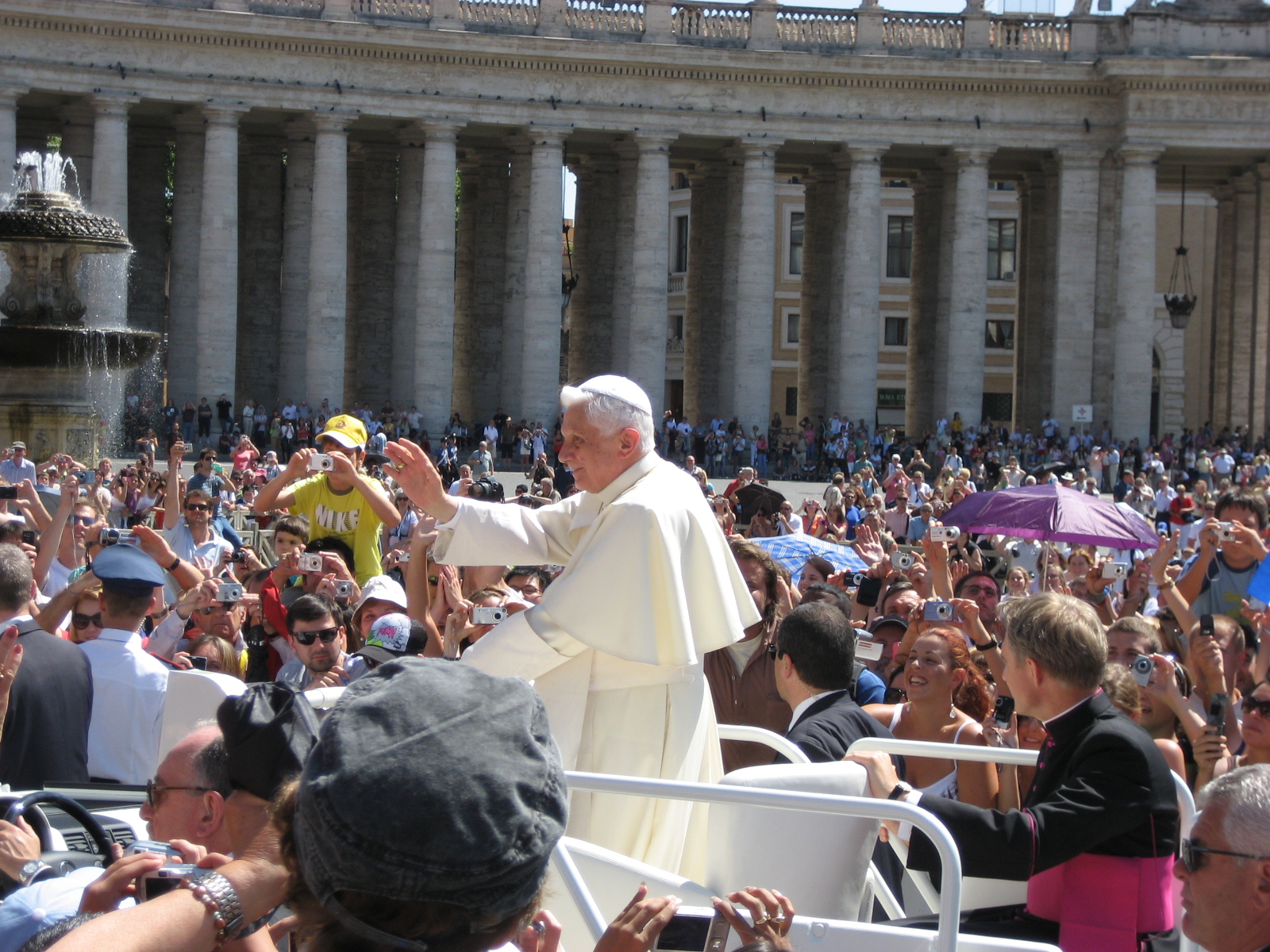
    After St. John Lateran, we hopped on the metro and went to Vatican City for the papal audience. Whenever he is in town, Benedict gives papal audiences every Wednesday morning. Tickets are free, and we got ours from the Pontifical North American College in Rome. This was the second papal audience I’d been to. The first one, on the trip to Rome when I was 15, was when John Paul II was pope. He was not feeling well at the time, so instead of coming down into the square, he appeared in the window of his apartments above the square and gave his lesson and blessing from there.

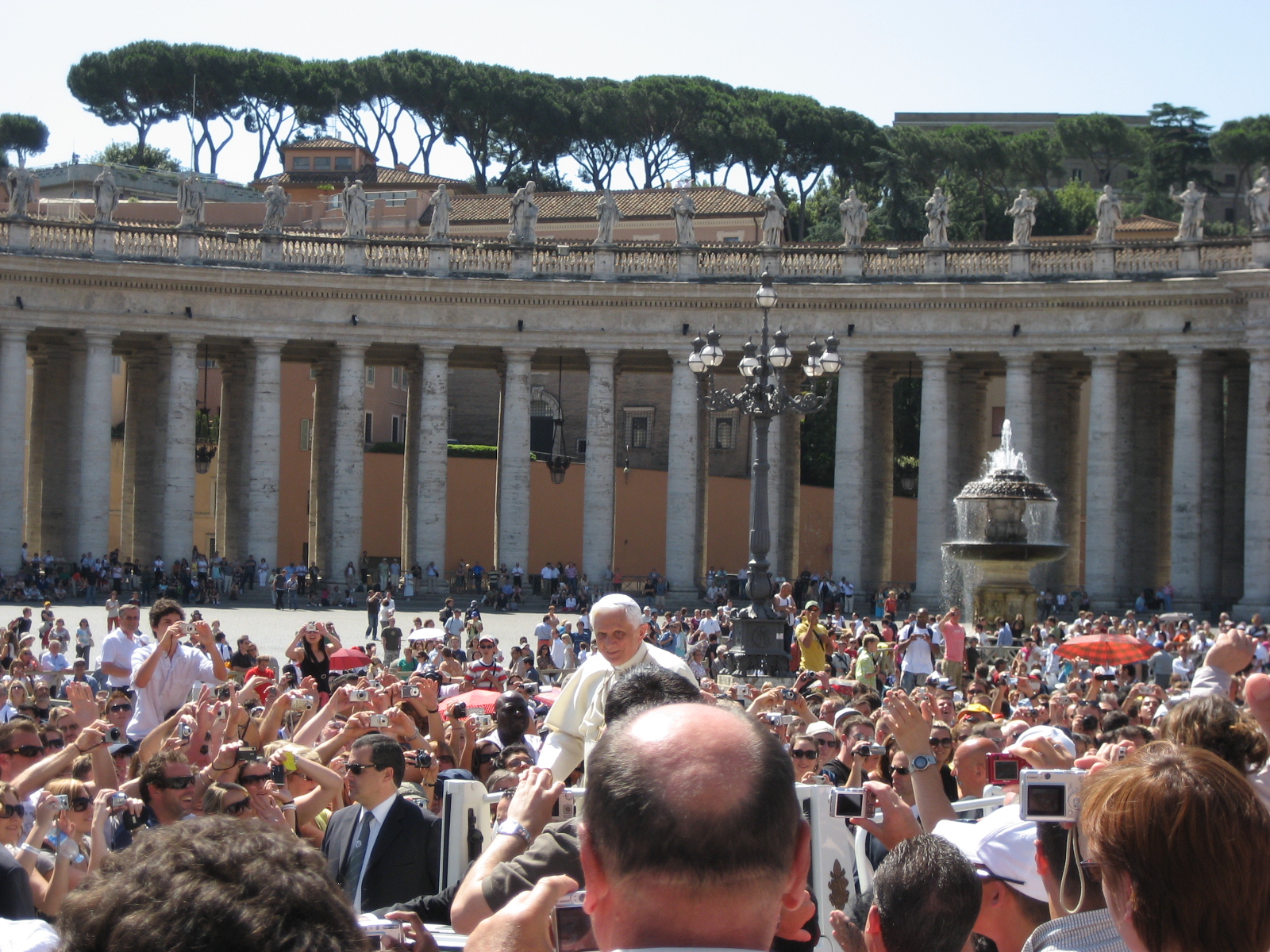
    This time, it was different. At about 10:30, (the scheduled start time) lots of people began to stand up and look around for Benedict to appear. A few minutes later, he zoomed out from the left hand side of St. Peter’s in his Popemobile, waving and smiling. He goes through and around the crowd once or twice, but no one knows which way he’s going to go for security reasons. We didn’t have the best seats for seeing him when he came by (because we hadn’t gotten there at 8), and here is a picture I took from standing on my seat:
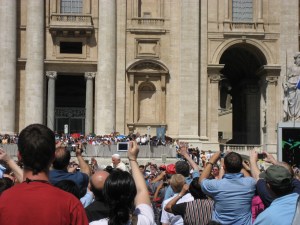
    After that, though, his route around the square took him to the very back of the area designated for papal audience spectators. There weren’t many people back there, obviously, so I was able to head back and get a couple of much closer pictures:
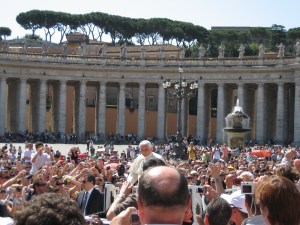
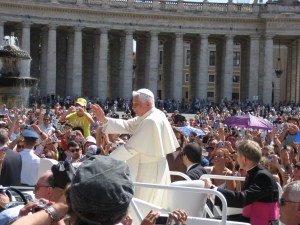
    After his trip around the square, he sat down under a canopy in front of St. Peter’s and proceeded with the audience. The scripture reading was from the book of Wisdom (sooooo Catholic), and the substance of his message dealt with the example of Isidore of Seville. He gave it first in Italian, then a shorter version of it in several different languages. I can’t remember exactly, but I think the order was German, English, French, Spanish, Portuguese and Polish. Do you want to read the whole thing? Of course you do. Here it is, courtesy of the Vatican Web site. We left after the English portion (and before the blessing of young people, sick people, newlyweds and objects), because we had a lot to do, beginning with the Vatican Museum.

    The Vatican Museum is one of those museums that seems too big to do justice to in one day. I’ve never been to the Louvre, but I have been to the Hermitage in St. Petersburg, and it took three visits before I felt like I had even seen everything. We couldn’t see everything in the Vatican Museum, so we had to make do with the highlights. We started off with the Pinacoteca (Art Museum), and got to see some great Raphael paintings as well as a Caravaggio, a da Vinci, and lots of other great stuff. Then we went to the Ancient Christian part of the museum, and saw a whole lotta tomb reliefs and a few statues. Then we wanted to see the Raphael Rooms, but couldn’t find them at first. We resigned ourselves to following the hordes of people surging toward the Sistine Chapel (the last thing anybody sees before they exit, and presumably the only thing many people come in to see)… We passed by a long corridor with maps on the wall, and a few other long corridors, and we were getting close to the end… But wait! Is that a sign for the Raphael Rooms? Why yes, it is!

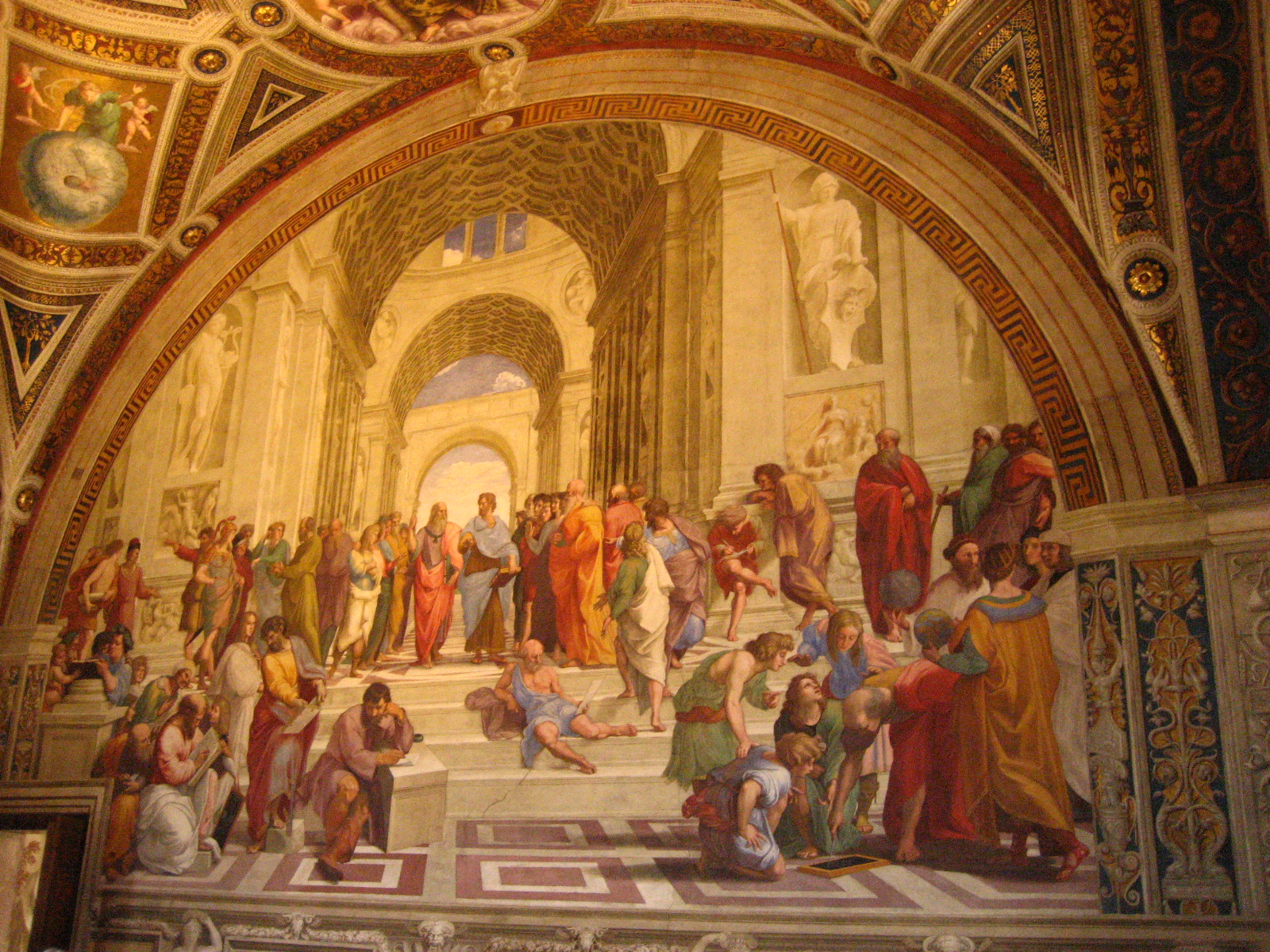
    So we went into these rooms, and this was really the highlight of the museum for me. This is a series of rooms that Raphael and his school painted frescoes in, and they weren’t crowded at all. The most famous of these frescoes was the one that he painted second, in the room that was once the library of Julius II. It’s called The School of Athens, and depicts Plato and Aristotle in the middle of a crowd of philosophers.
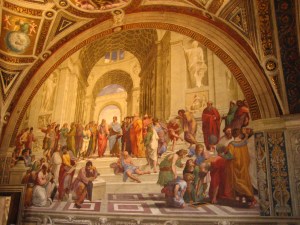
    I couldn’t get a good shot of the whole thing head-on, but there are other pictures of it online.

    After the Raphael Rooms, we went through the museum’s collection of modern religious art. I thought this was quite good, too, even though I don’t go in much for modern art. But the reason why I don’t go in much for modern art is because so much of it comes across as being so meaningless to me. If it has a religious theme, as these works did, it has a meaning, so I thought it was good. This is me, the art critic.

    After that, we went into the Sistine Chapel. Beautiful, of course. But crowded. And the ceiling is high up, and the Last Judgment is too big to take in in less than a few minutes. When I was there, I was more impressed by thinking of all the papal enclaves that have taken place there over the years. But maybe that was because I’d seen the paintings before.

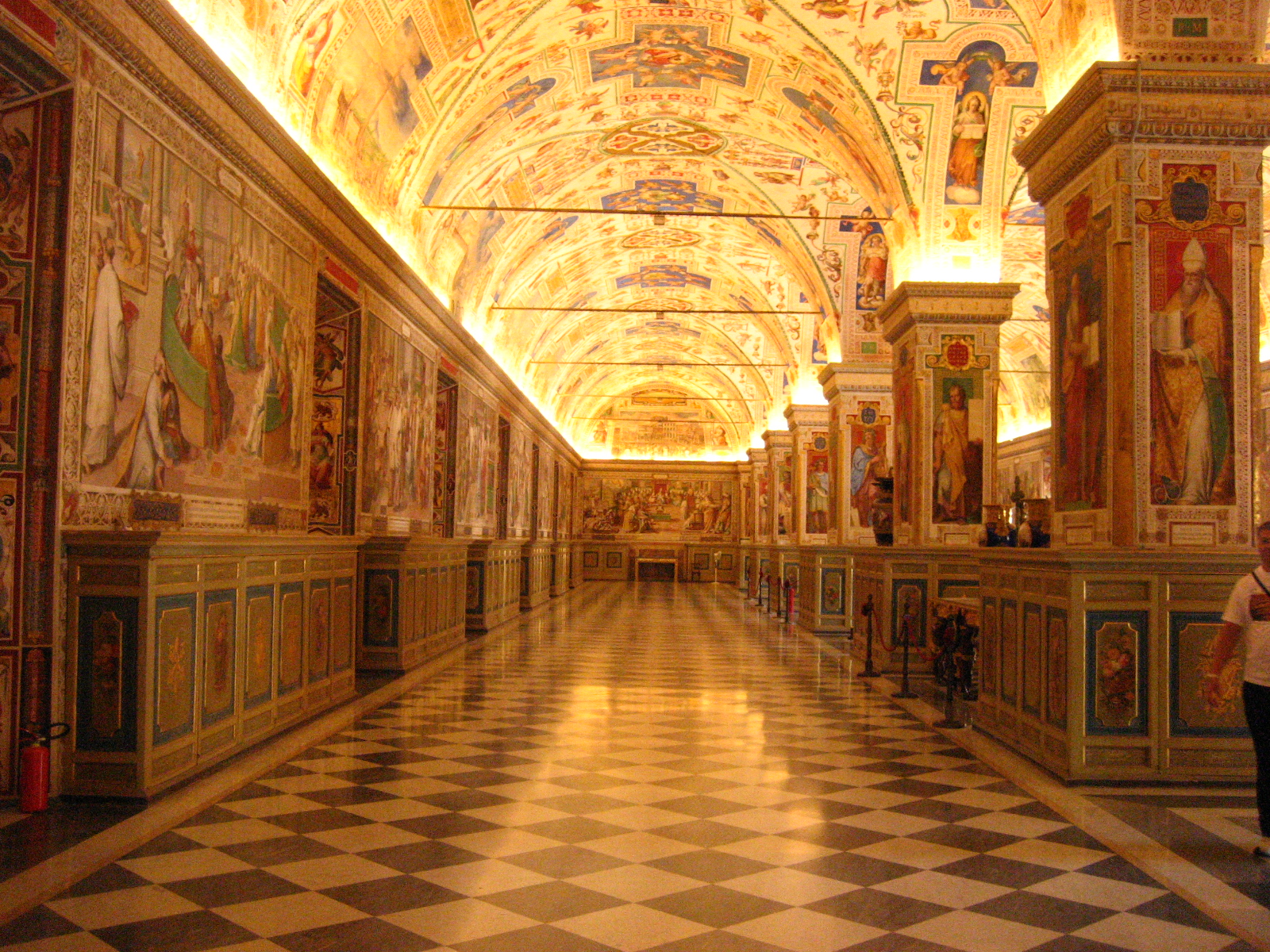
    When we came out of the Sistine Chapel, we went through a long corridor back out of the museum, and stopped by the Archives.
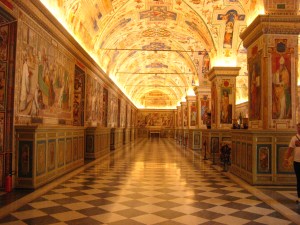
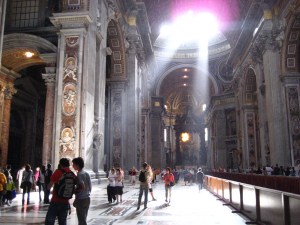
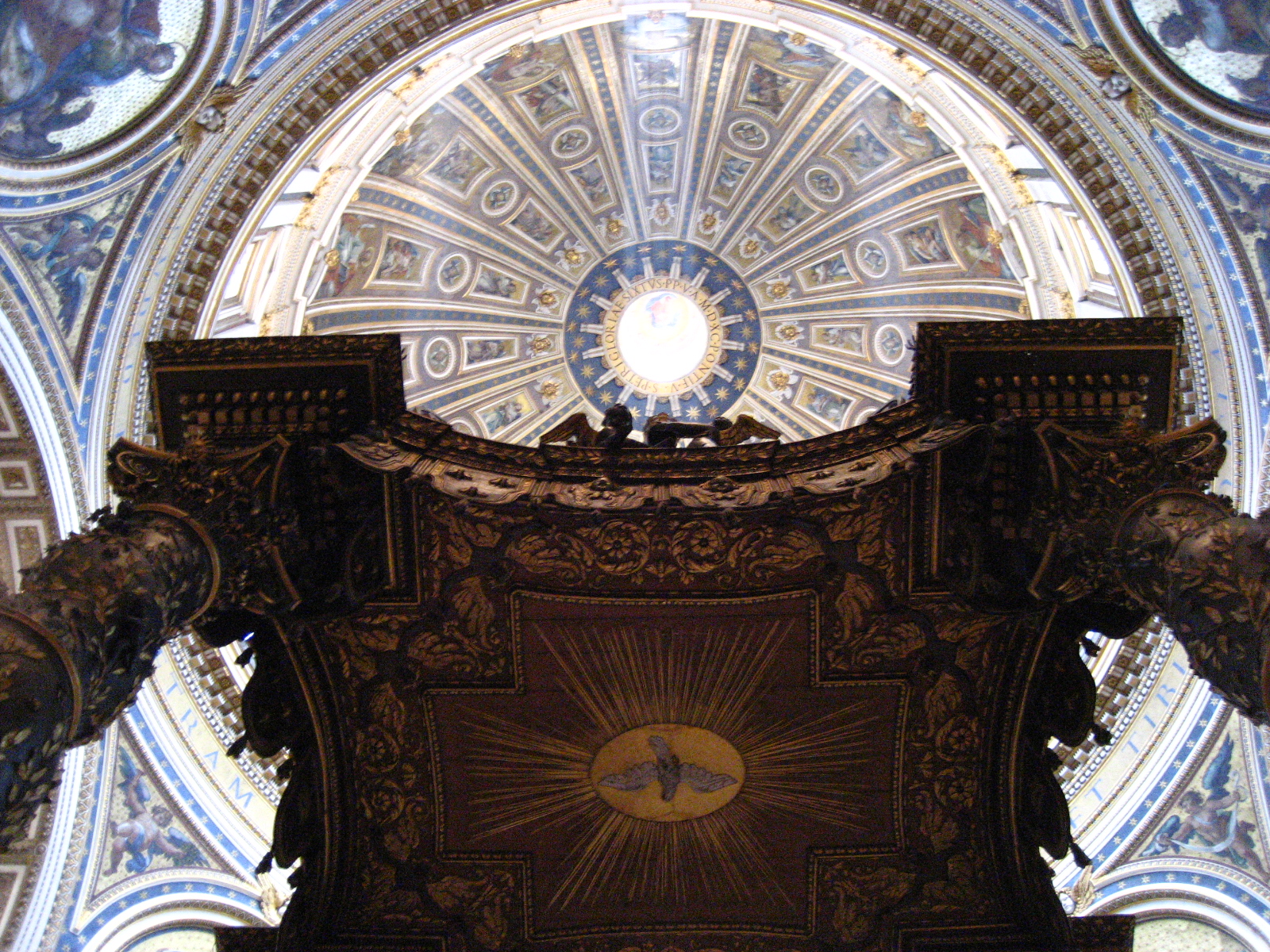
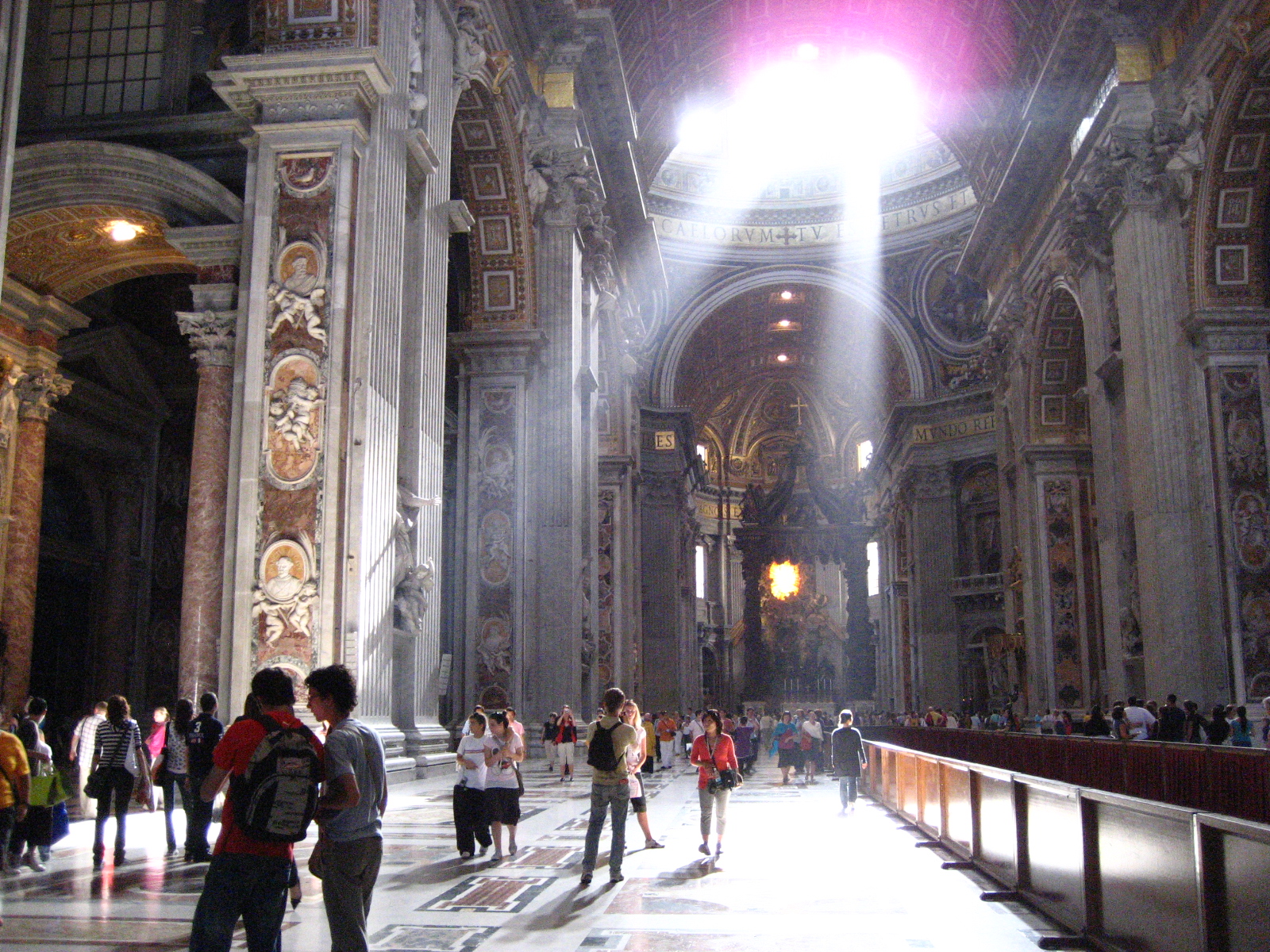
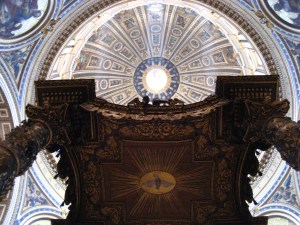
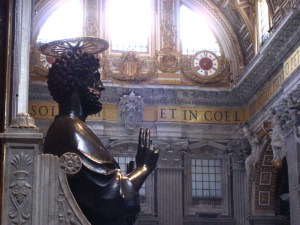
    Once out of the museum, we went back to St. Peter’s Square and got in line to go into St. Peter’s. I didn’t remember a line to get in when I was there before, but when we got to the front of the line we saw what the hold up was: security. Once through, we got to stroll on in. The lighting was particularly beautiful on account of the sun setting:
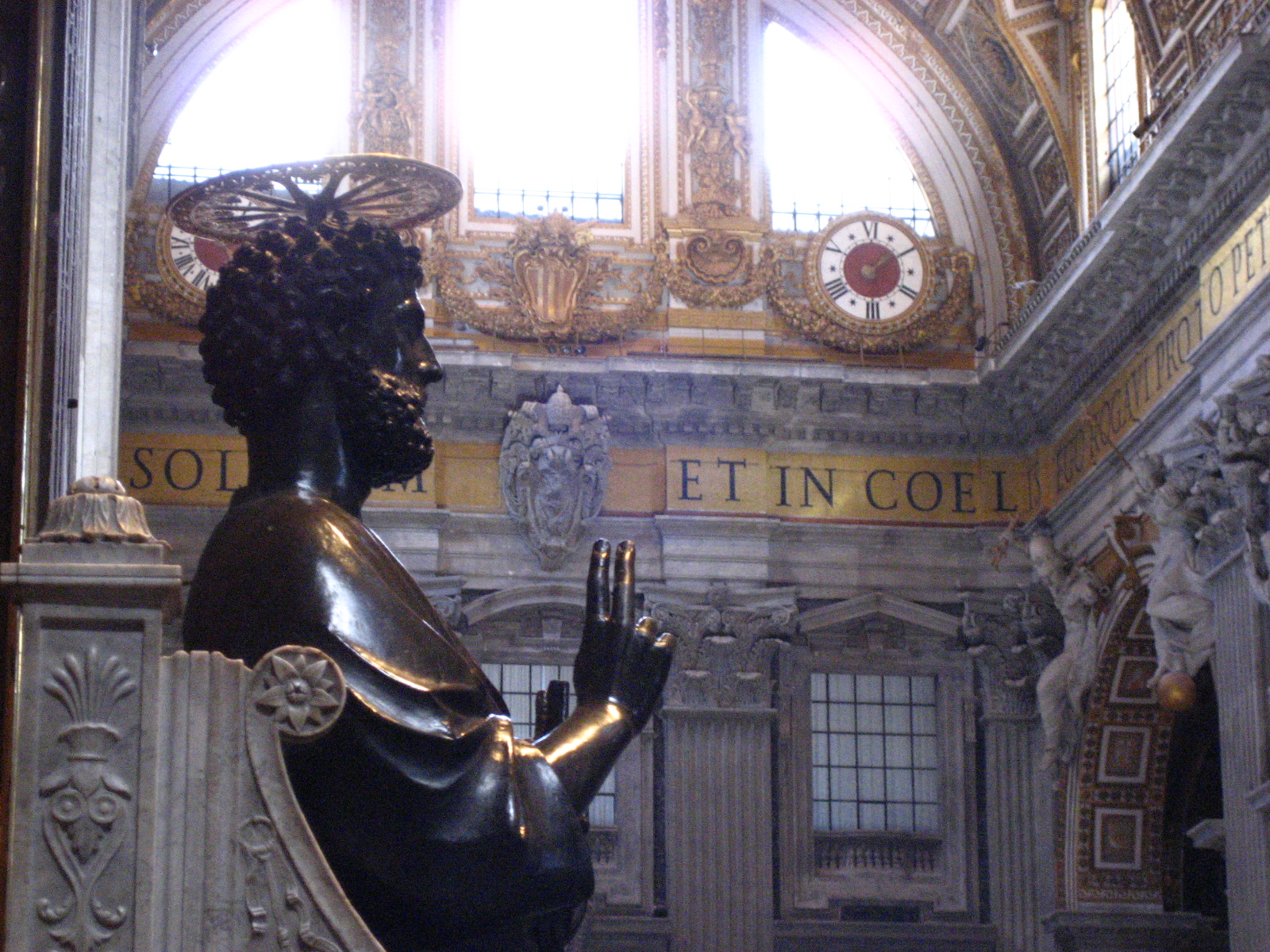
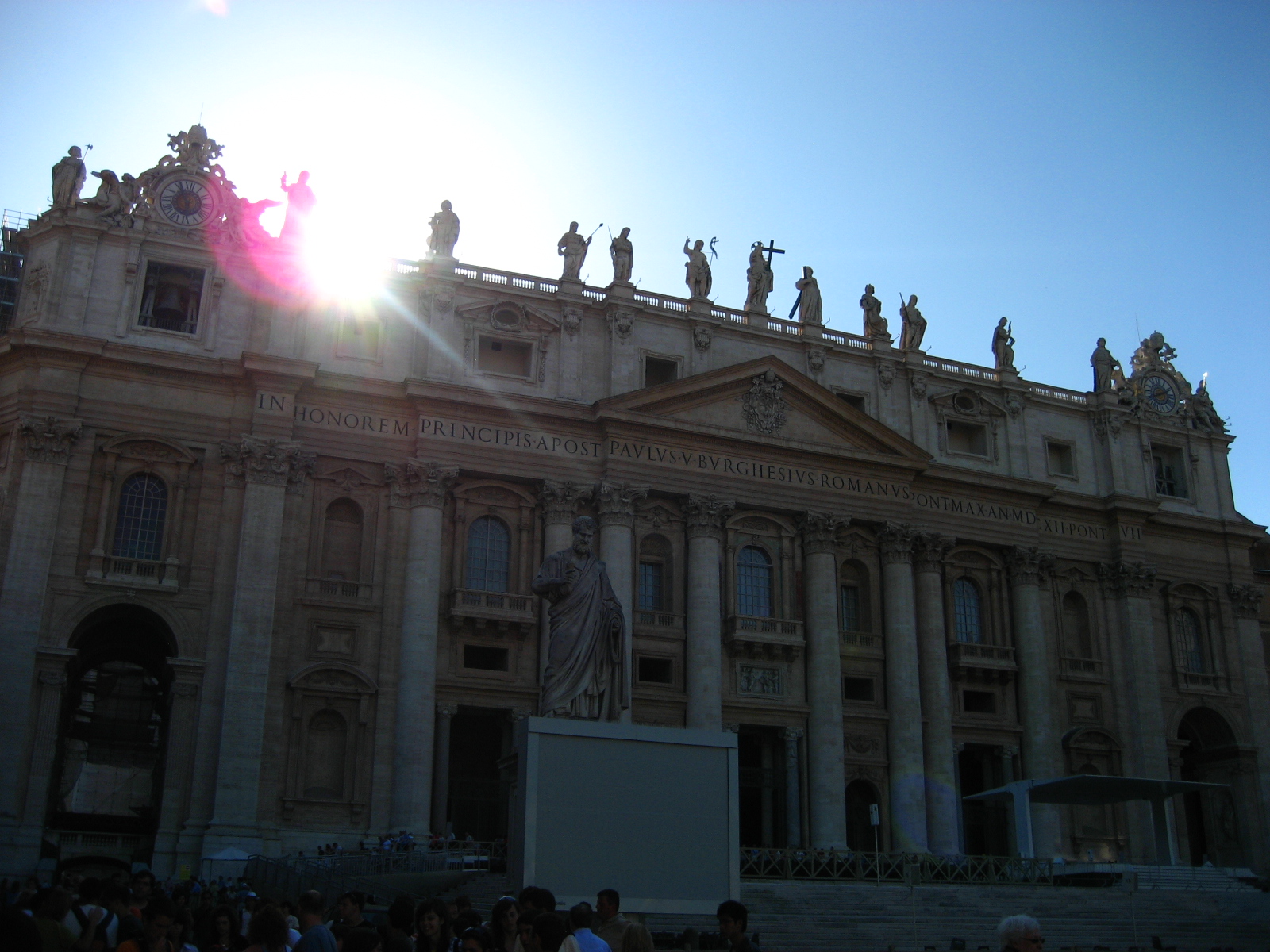
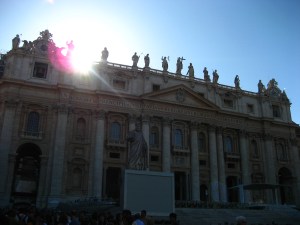
    When we got back outside, I took another picture:
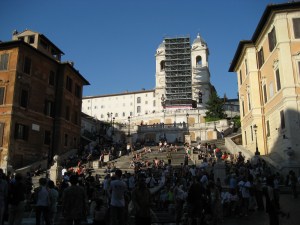
    Before we went home on our last day before we flew back, we decided to swing by the Spanish Steps – just because they’re a big tourist stop in Rome. We did. There were a lot of people there. It was OK, but not my favorite part of the day. Perhaps I was just tired.
  • Day 14 – Rome (part 1)

    This was the day we disembarked from the cruise ship – not at Rome, technically, but at Civitavecchia, a town on the coast. We ate breakfast, got off the ship, took a shuttle bus to the entrance of the port, and lugged our luggage up the street to the train station. We bought three tickets to the Termini station in Rome, and we were on our way in about an hour in a train packed with commuters and our fellow cruise ship passengers. We got to the train station, bought metro tickets, lugged our luggage down to the metro, and got to our B & B (at the Piazza Re di Roma, just south of the Basilica of St. John Lateran) without incident.

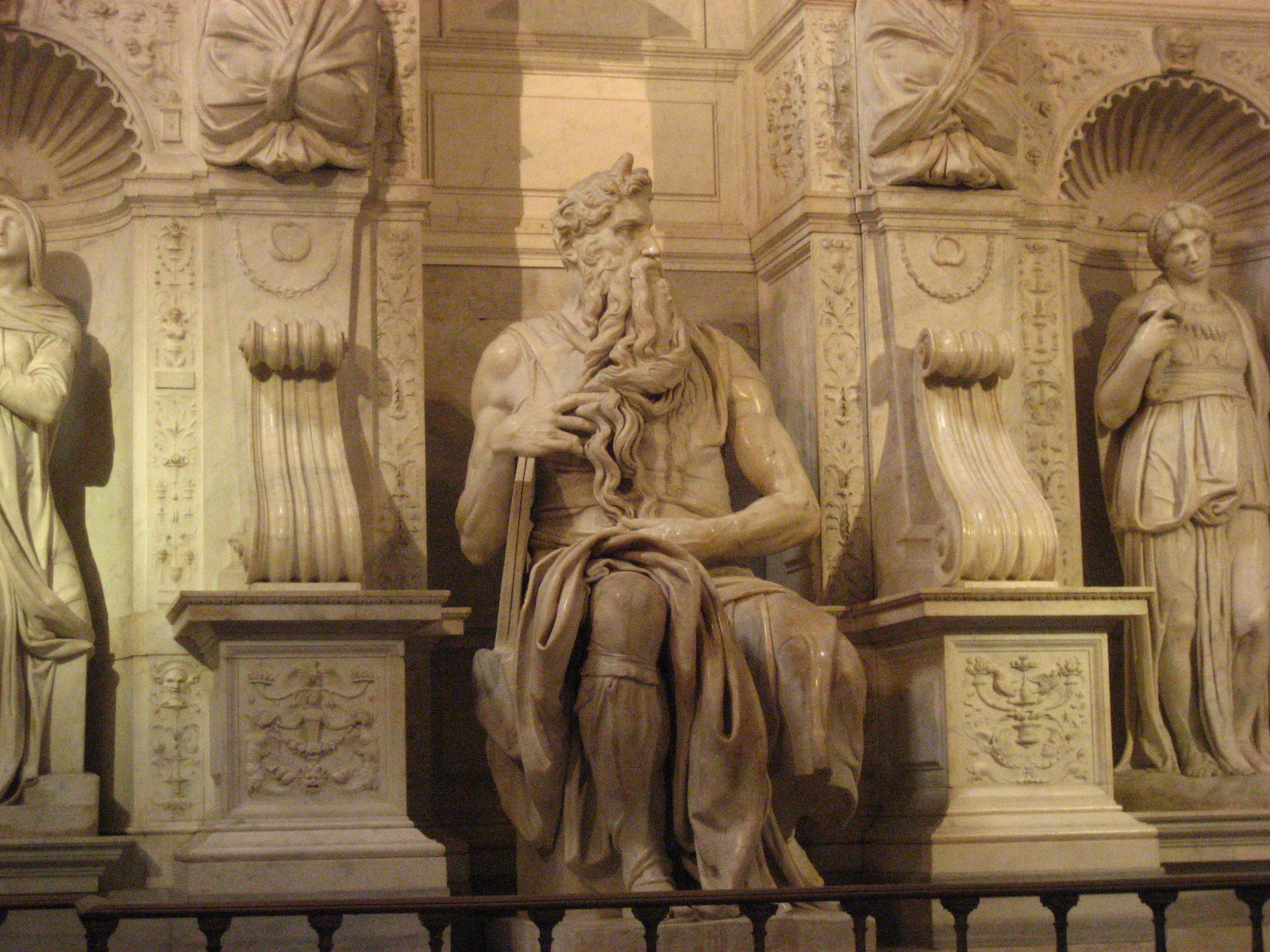
    After dropping off our suitcases, we got right back out there to see as much Rome as we could in two days. Our first stop: a church whose name I unfortunately can’t remember. I will have to confer with my fellow travelers, but I am pretty sure that we were looking for a church that was built on the site of a house church from the early days of the Christian movement. I am also pretty sure that we didn’t find it, but went into this church instead. At any rate, I do remember our second stop: the Basilica of St. Peter in Chains. Why this one first, you ask? Well, it is centrally located, just north of the Colosseum. And it has a great horned statue of Moses by Michelangelo.

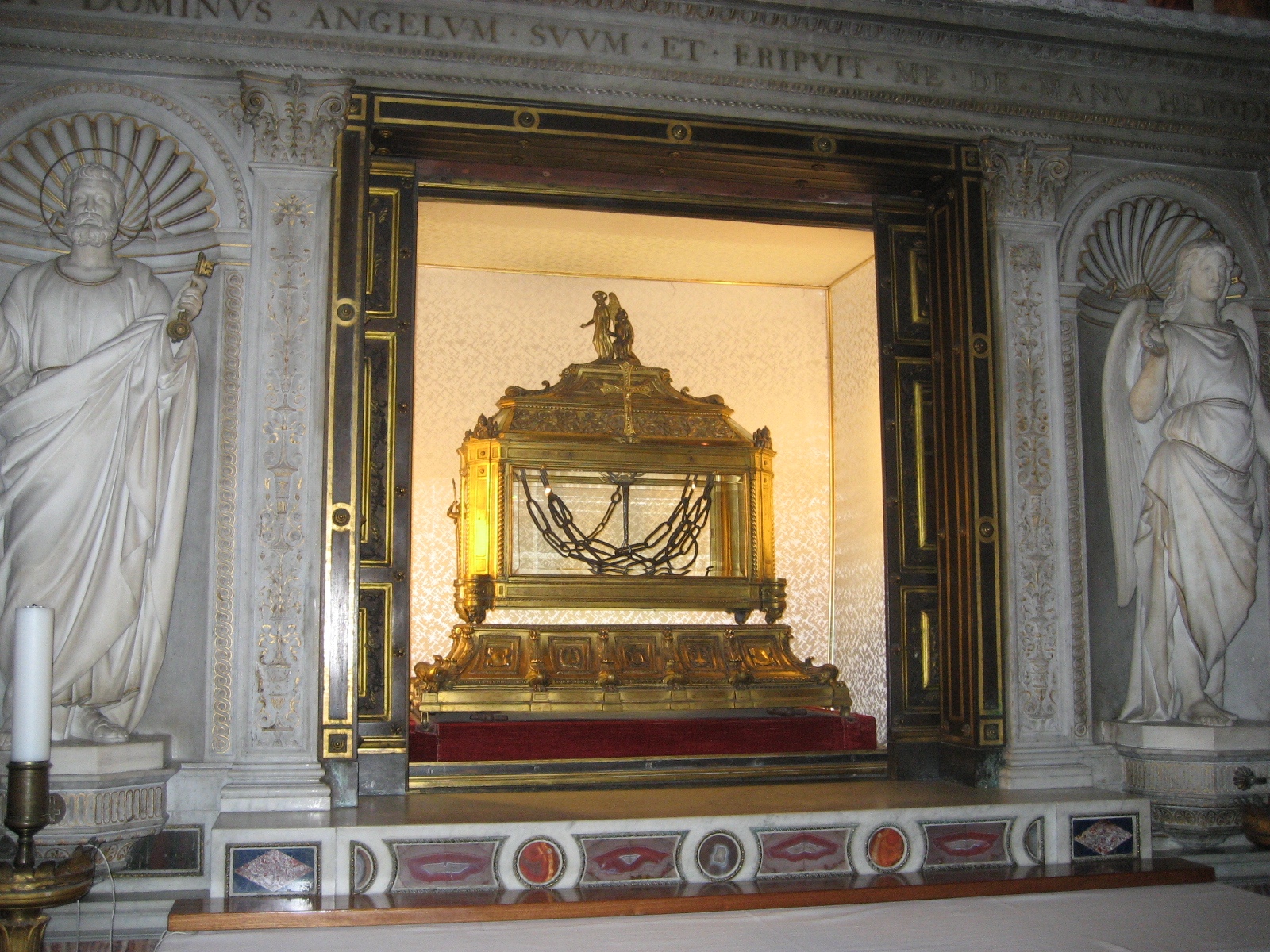
    And of course, those chains, which are supposed to be the ones Peter was brought to Rome in:

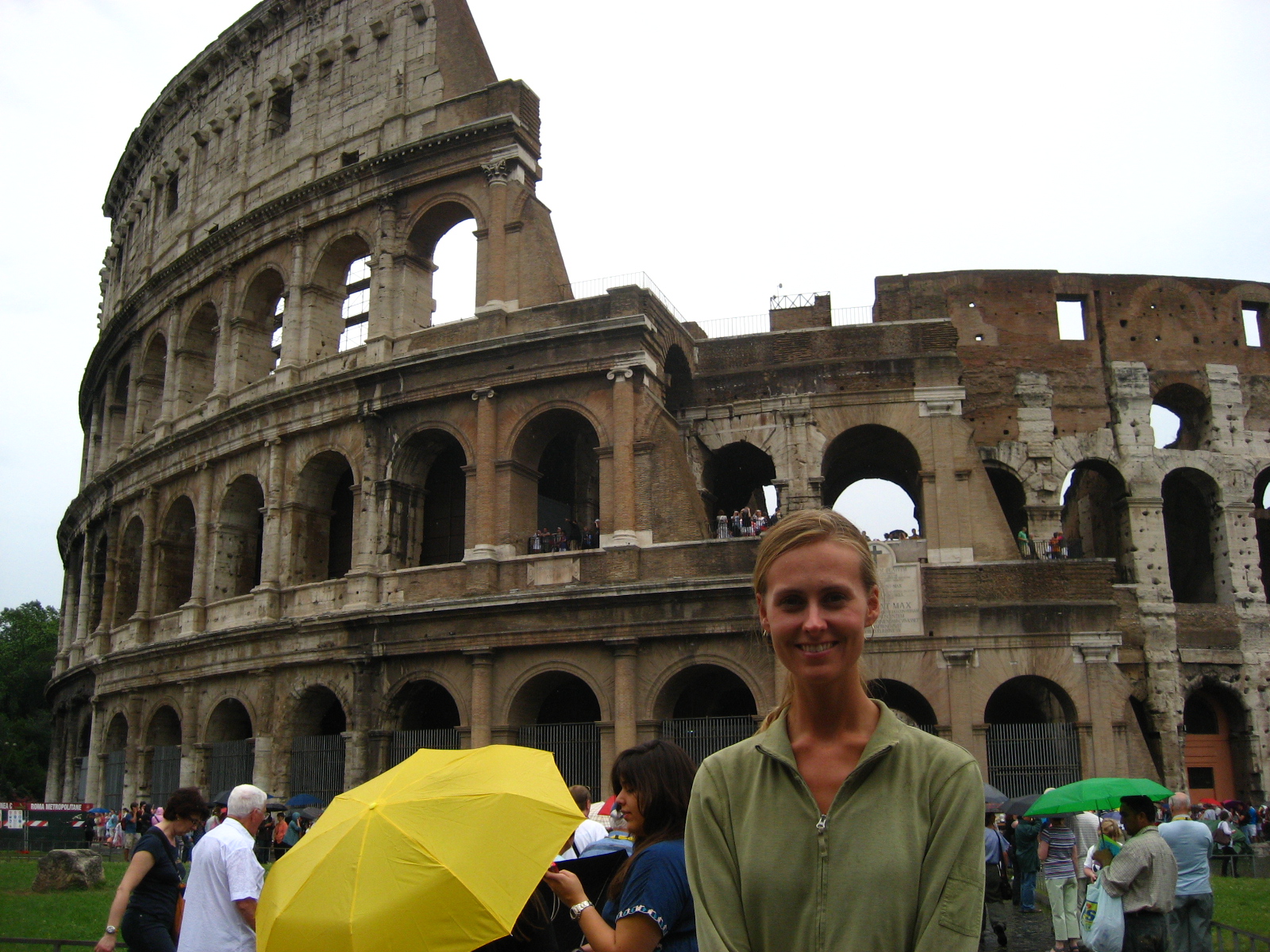
    We headed south toward the Colosseum, and stopped for lunch along the way. By the time we got there, it was raining:

    It ended up raining on and off for the rest of the day, and it was pretty humid. After looking at the outside of the Colosseum, we went over to the Forum and tried to get inside. Turns out you had to get an expensive all-in-one ticket that included the Colosseum, the Forum and something else if you wanted to get in. I had already seen the inside of the Colosseum on a previous trip to Rome, and neither my dad nor Mary wanted to go inside all that badly (especially with the lines, and all we still wanted to do that day.) We ended up walking around and seeing all that we could see from the outside. And that was enough for us.

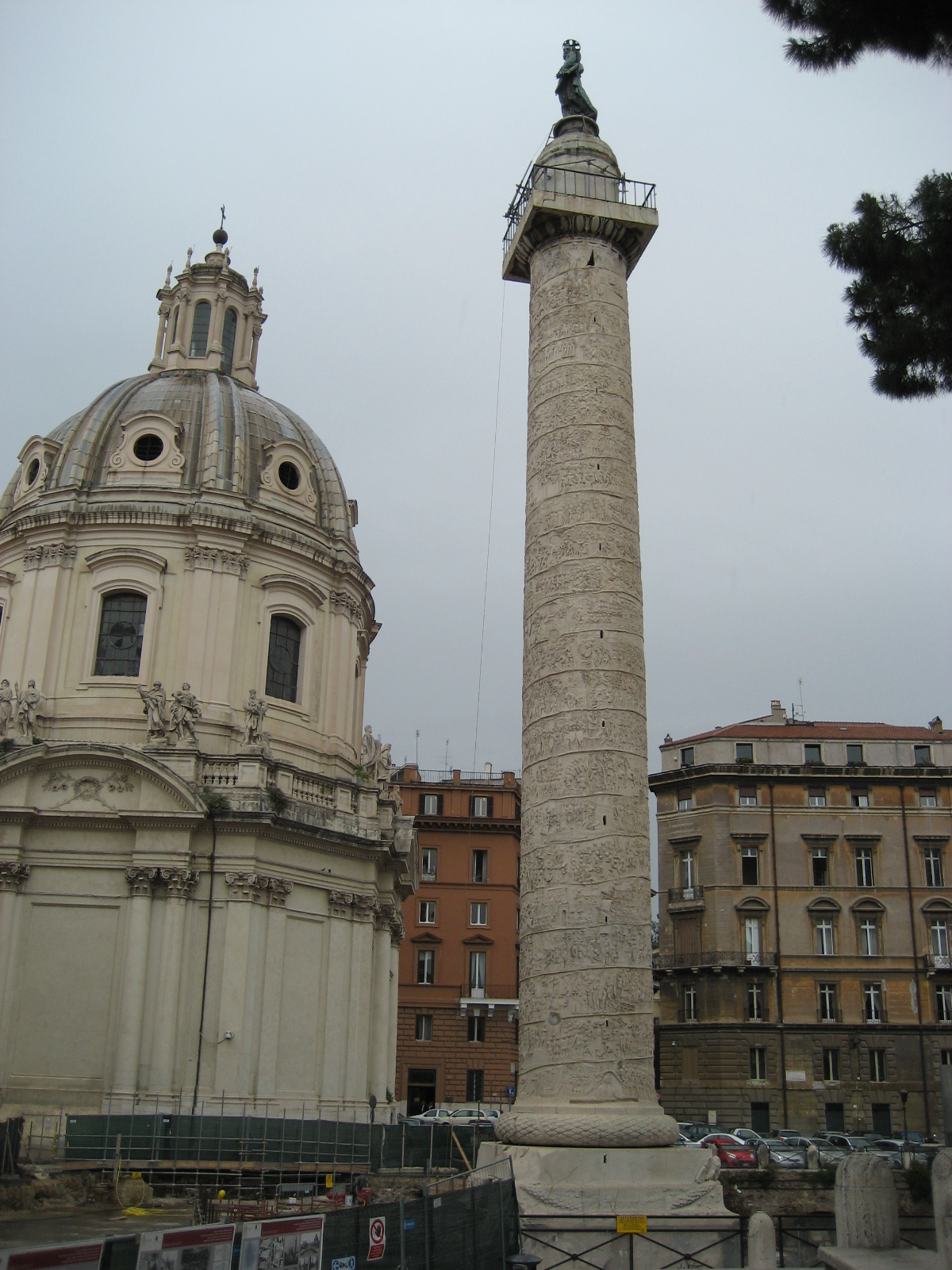
    Then we walked up the Via dei Fori Imperiali (I don’t speak Italian, but I know what that means) northwest. We saw Trajan’s Column:

    and we saw the (probably excessive) monument to Victor Emmanuel II, the first king of united Italy:

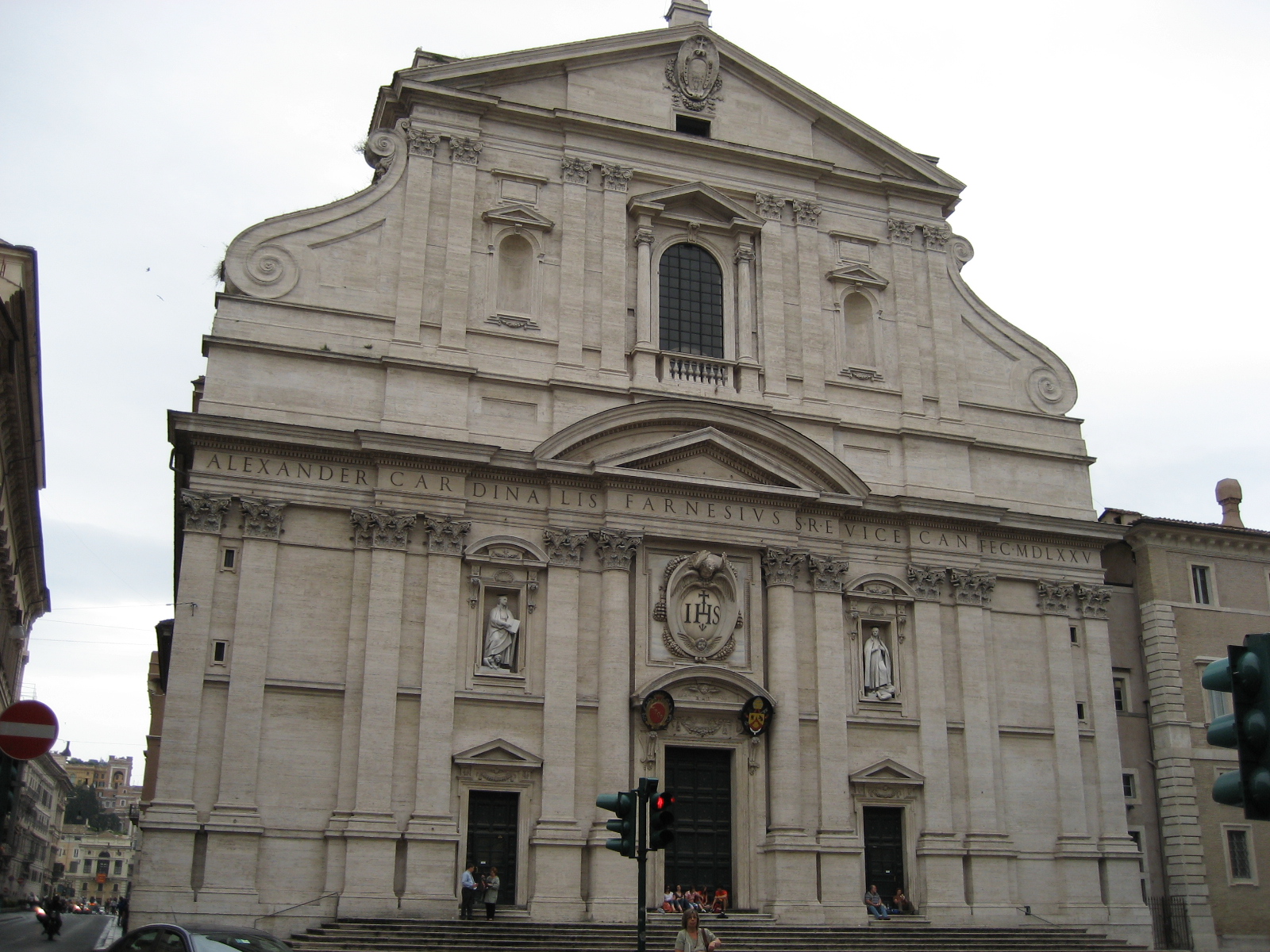
    We walked west from there and stopped by the Church of the Gesu, the mother church of the Jesuits:

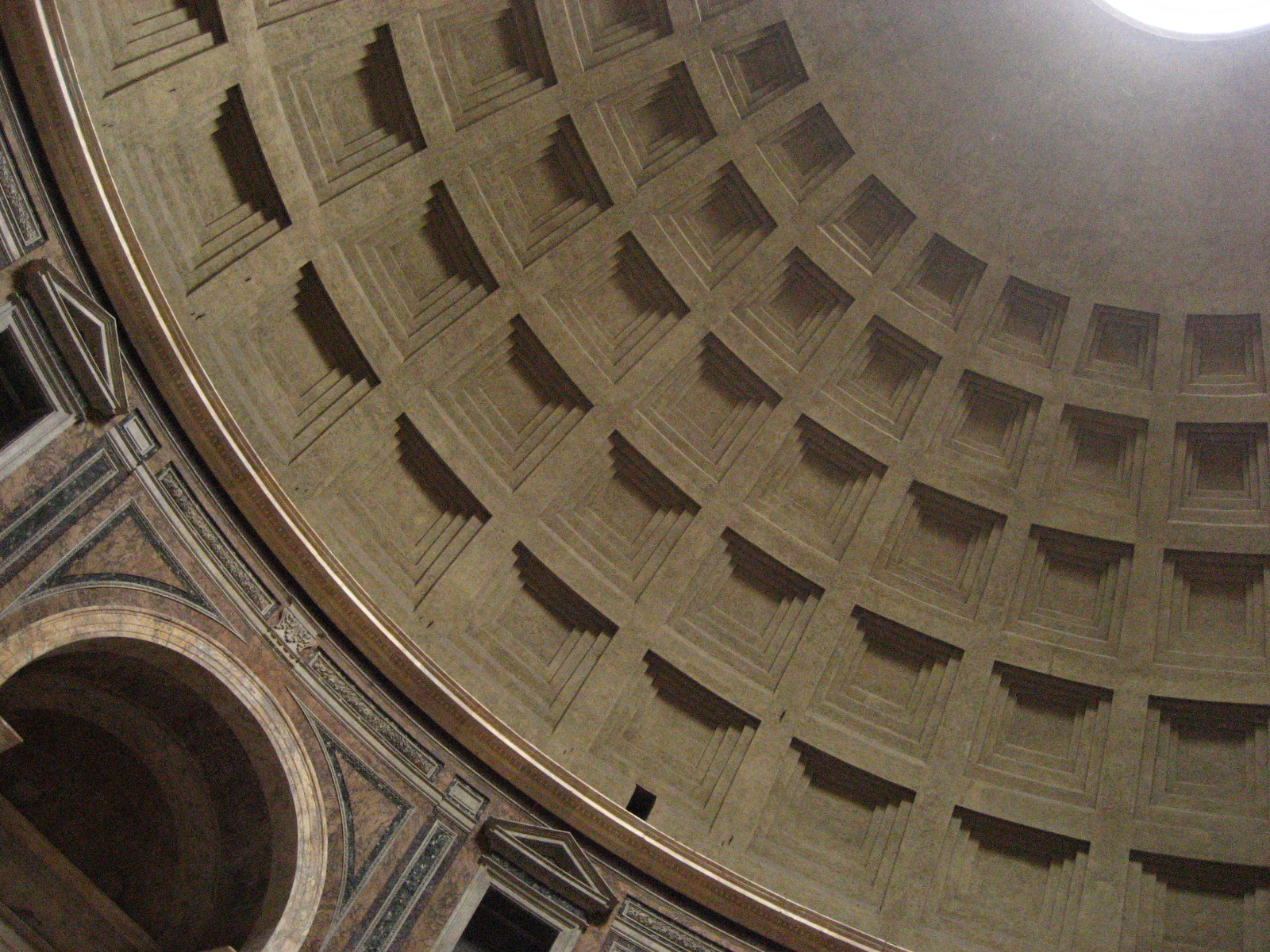
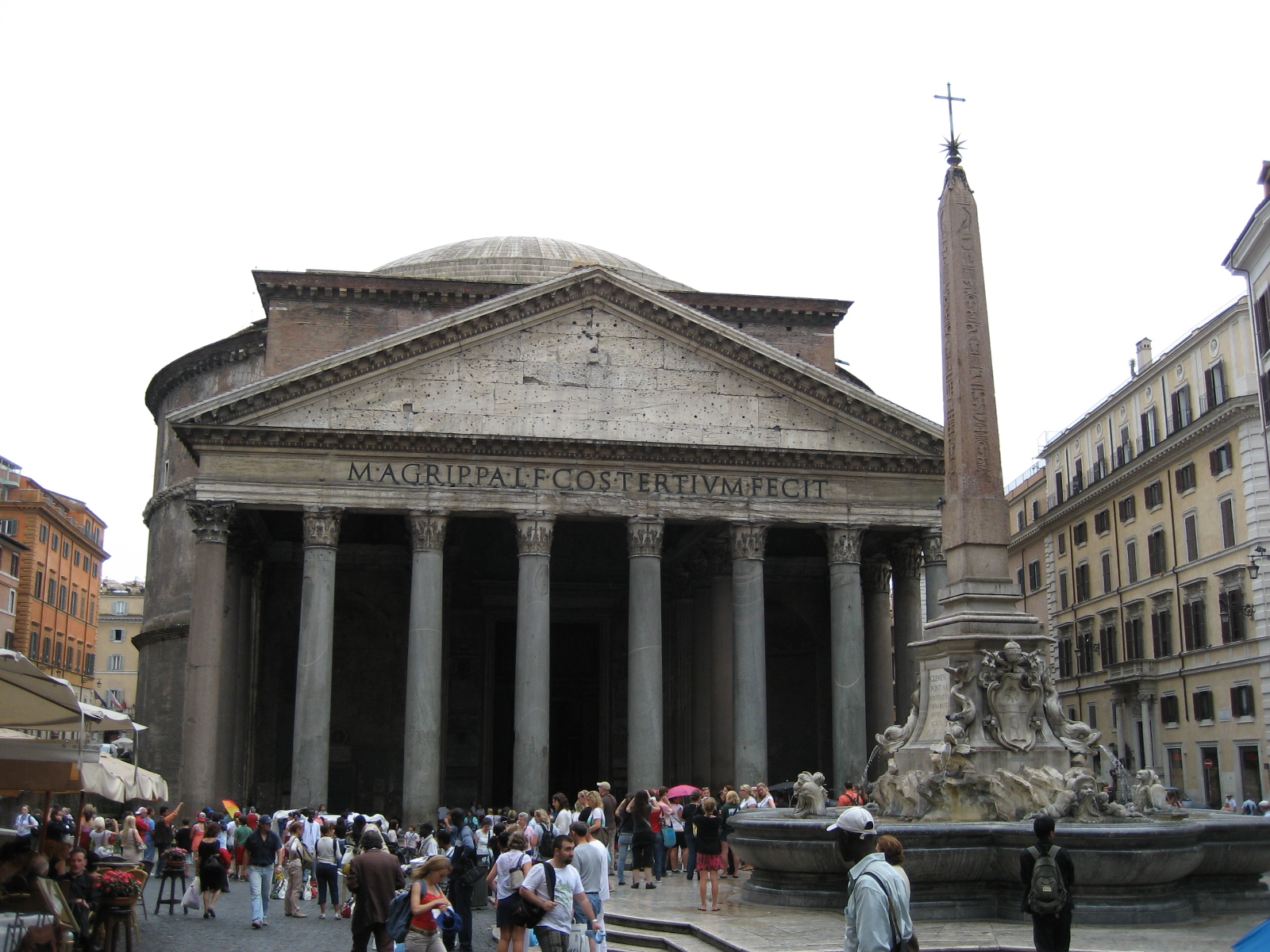
    We headed further west and a little north and stepped inside the Pantheon for a while:

    and took a picture or two of the outside as well:

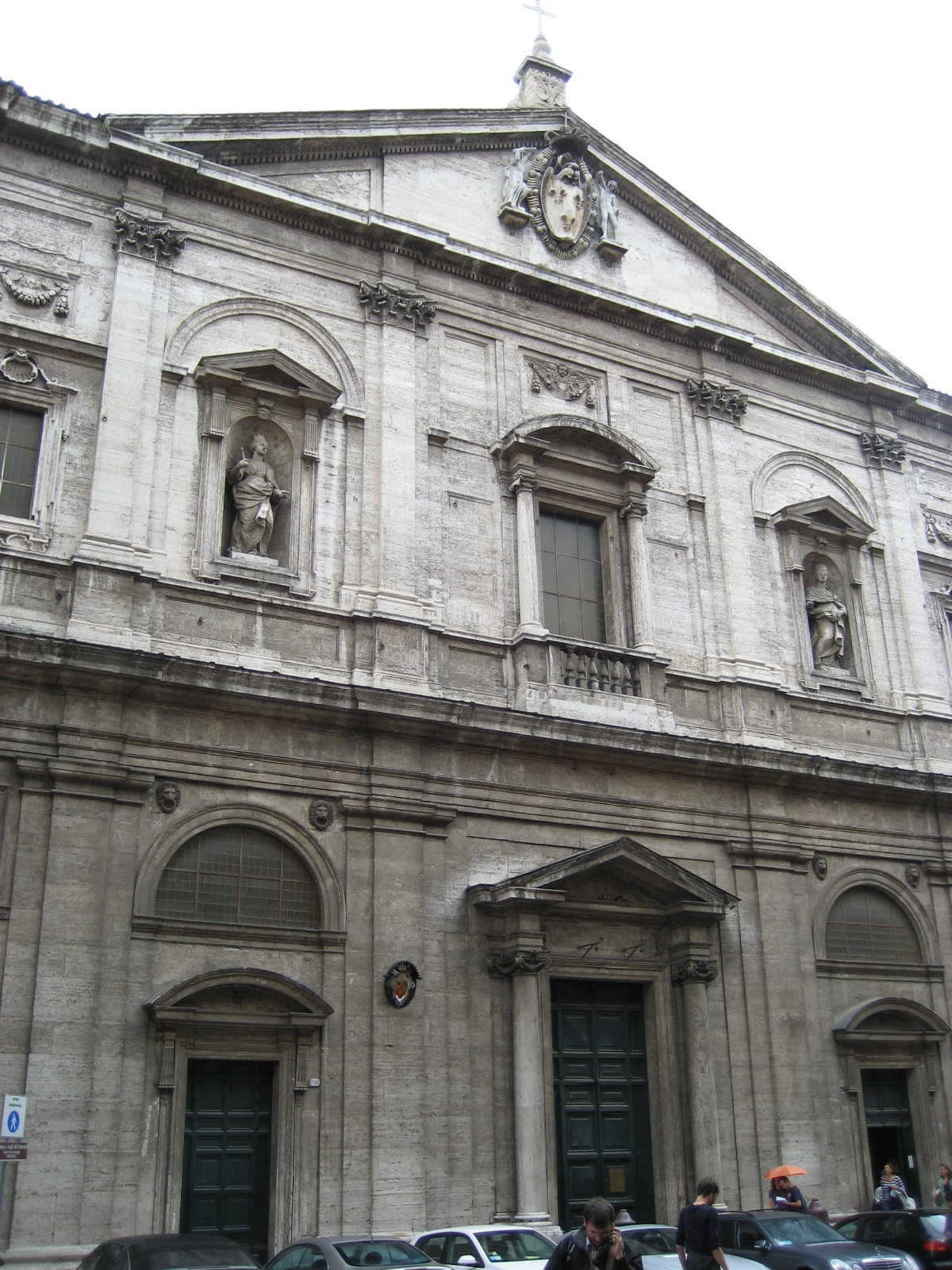
    Then we headed west toward Piazza Navona and stopped in the Church of San Luigi dei Francesi, which is the French national church in Rome. It was designed by Giacomo della Porta, the same guy who raised the dome of St. Peter’s Basilica:

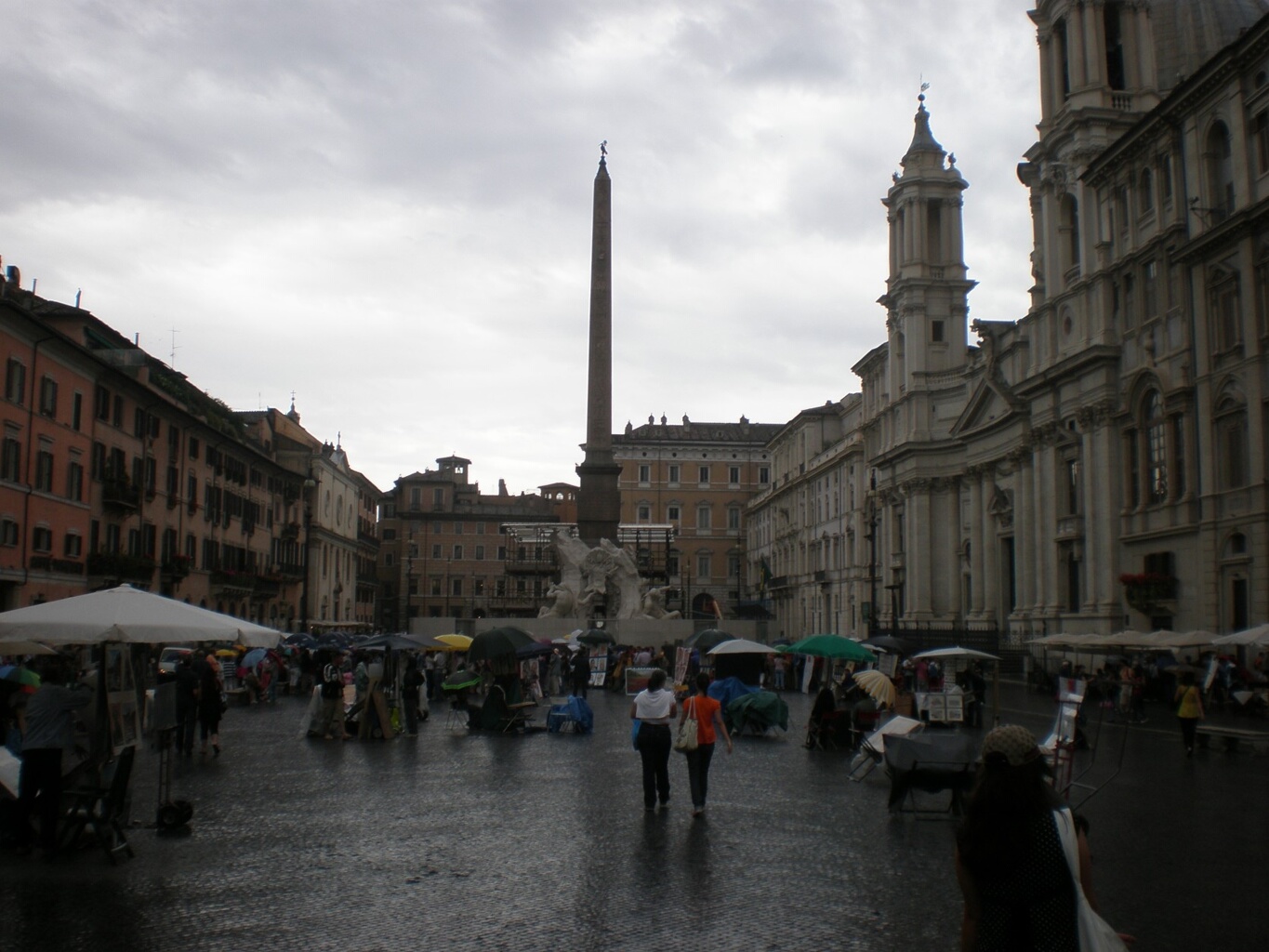
    Then we continued on to Piazza Navona. As you can see, the weather was still a bit drab:

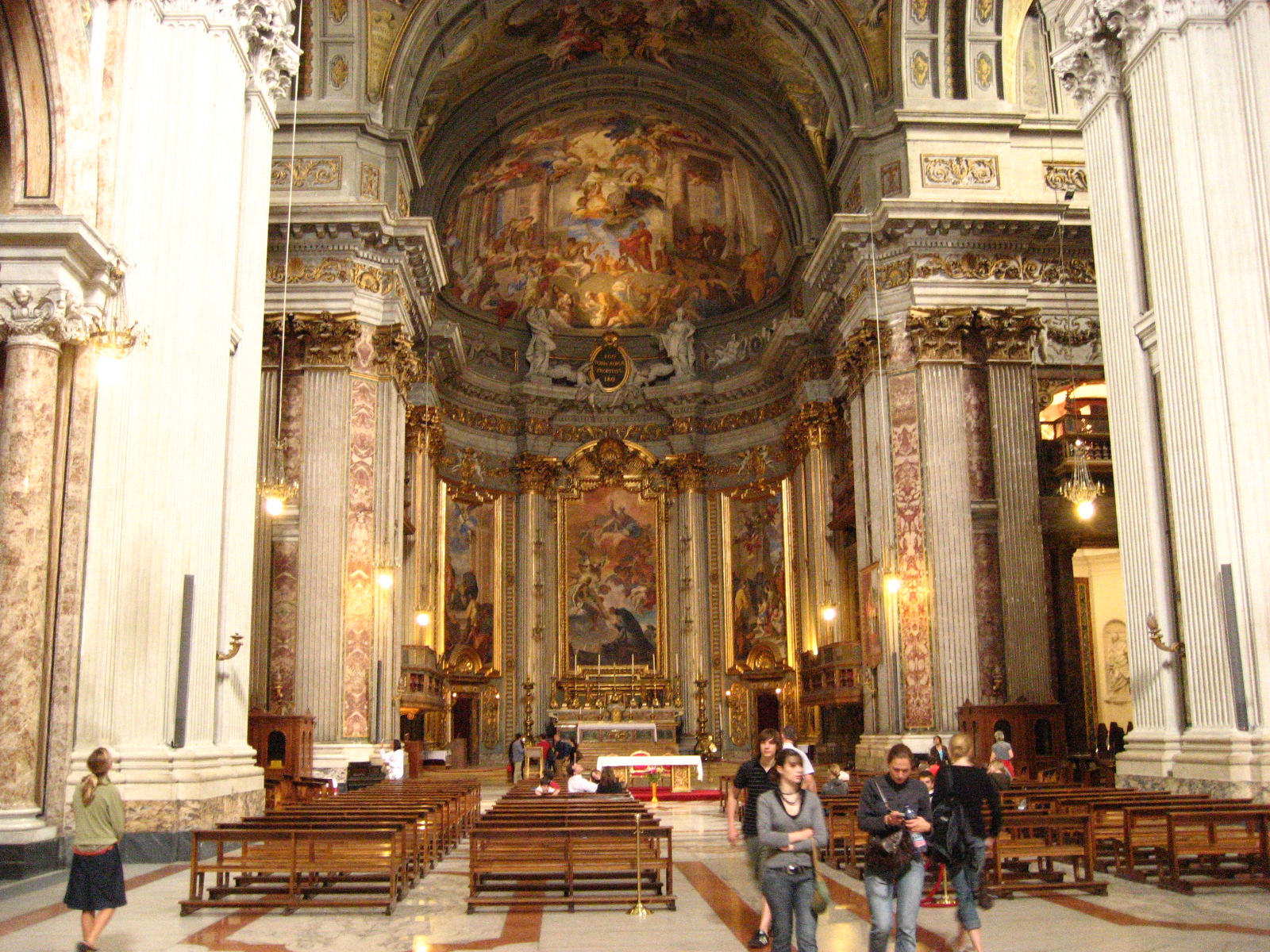
    Then we turned back east. After stopping to refresh ourselves with some gelato, we went on to the
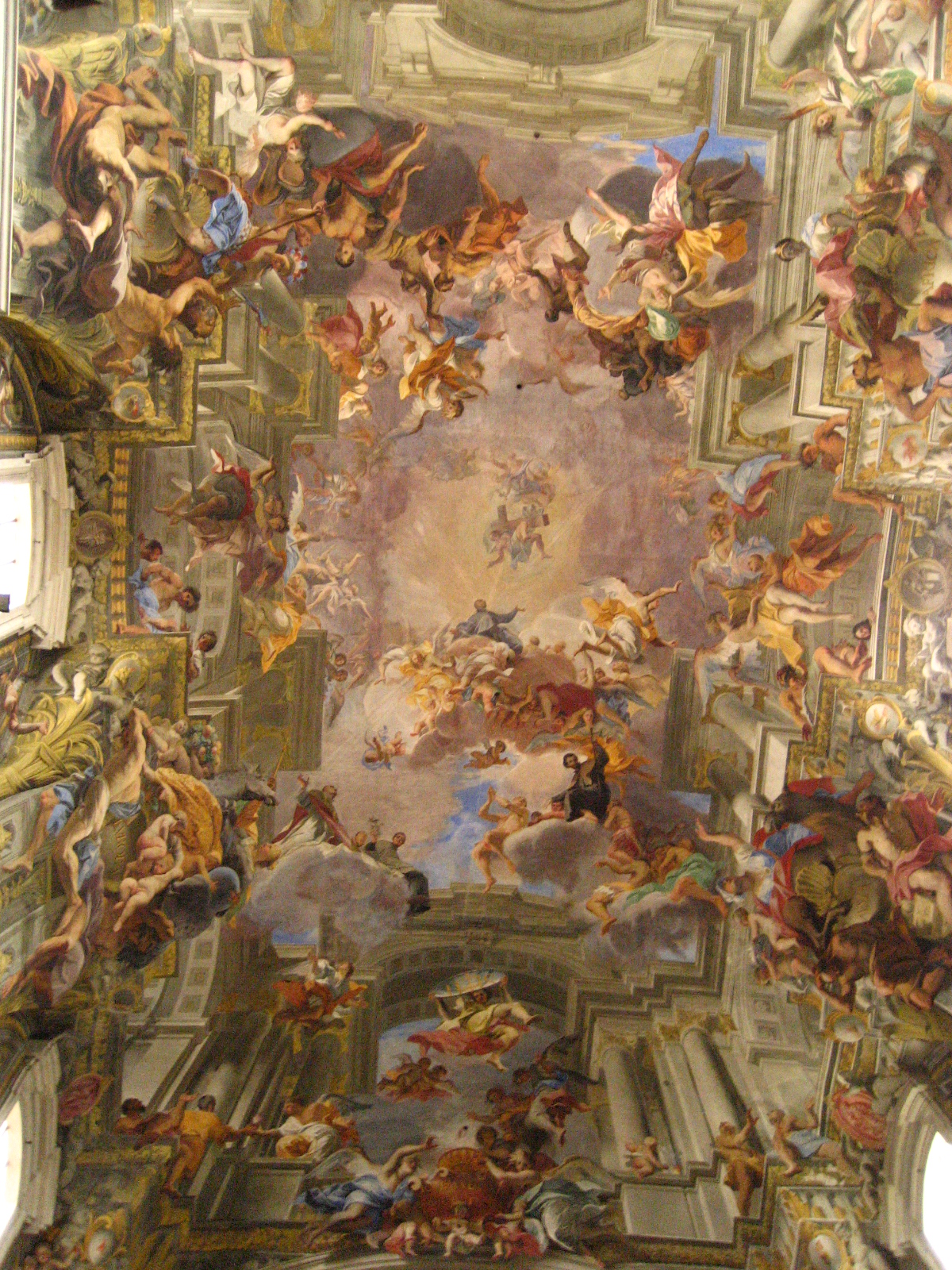
    Church of St. Ignatius, known for its “false” (i.e., painted on the ceiling) dome. The first time I went to Rome, when I was 15, my mom and I sang in a pilgrimage choir sent by our local Catholic church. One evening, we performed a concert in this church.

    Then we kept going east and stopped at the Pontifical North American College to pick up the tickets that we had reserved for the papal audience the next day. They were very kind and friendly to us, and a nun explained to us and a few others who were visiting how the weekly papal audiences usually worked. Mary put it well when she said later about our experience there: “This was the first place on our trip that I really felt welcomed.”
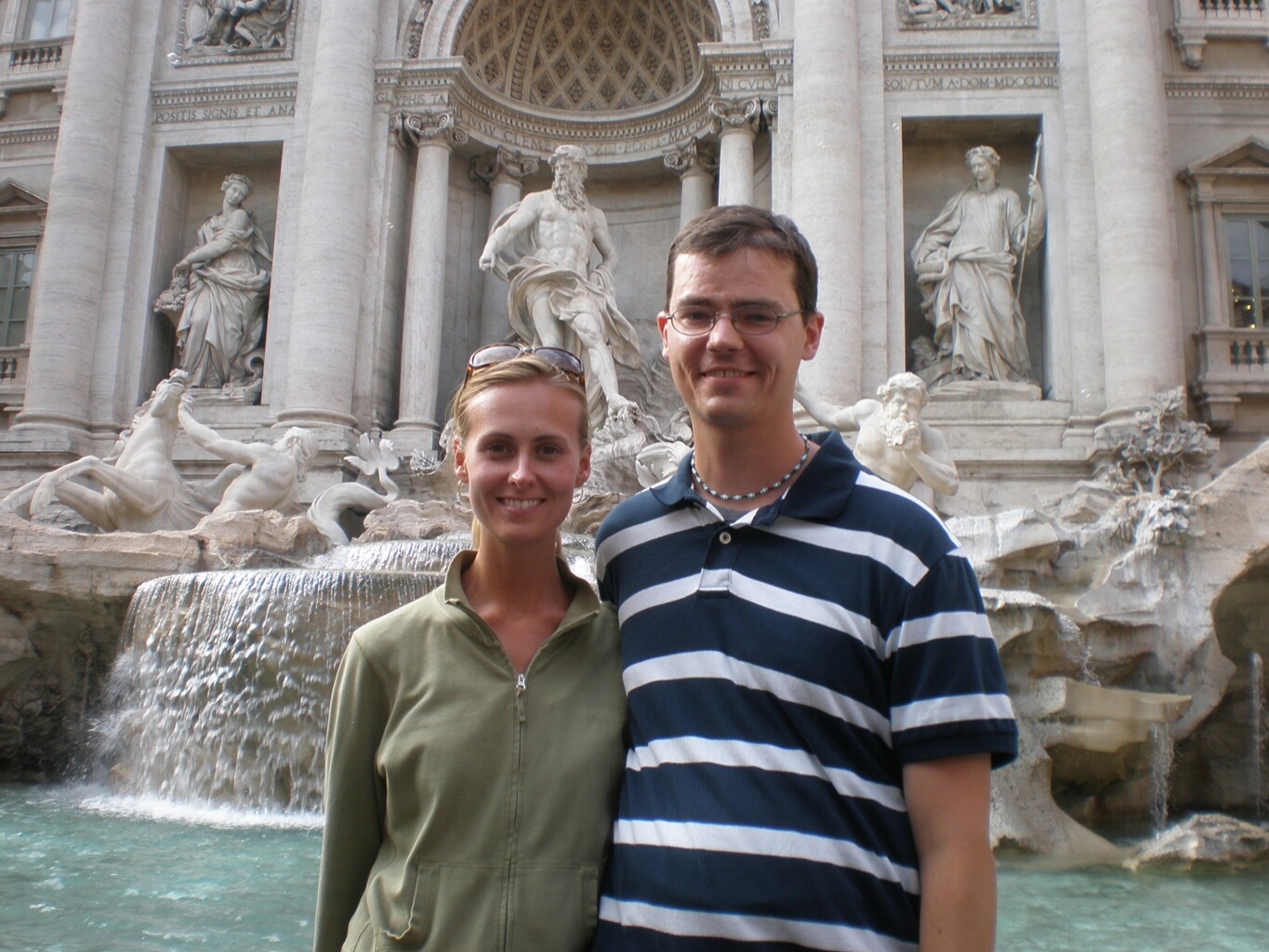
    After our stop there, we turned north and went to the Trevi Fountain. Here is a cute couple standing in front of it:

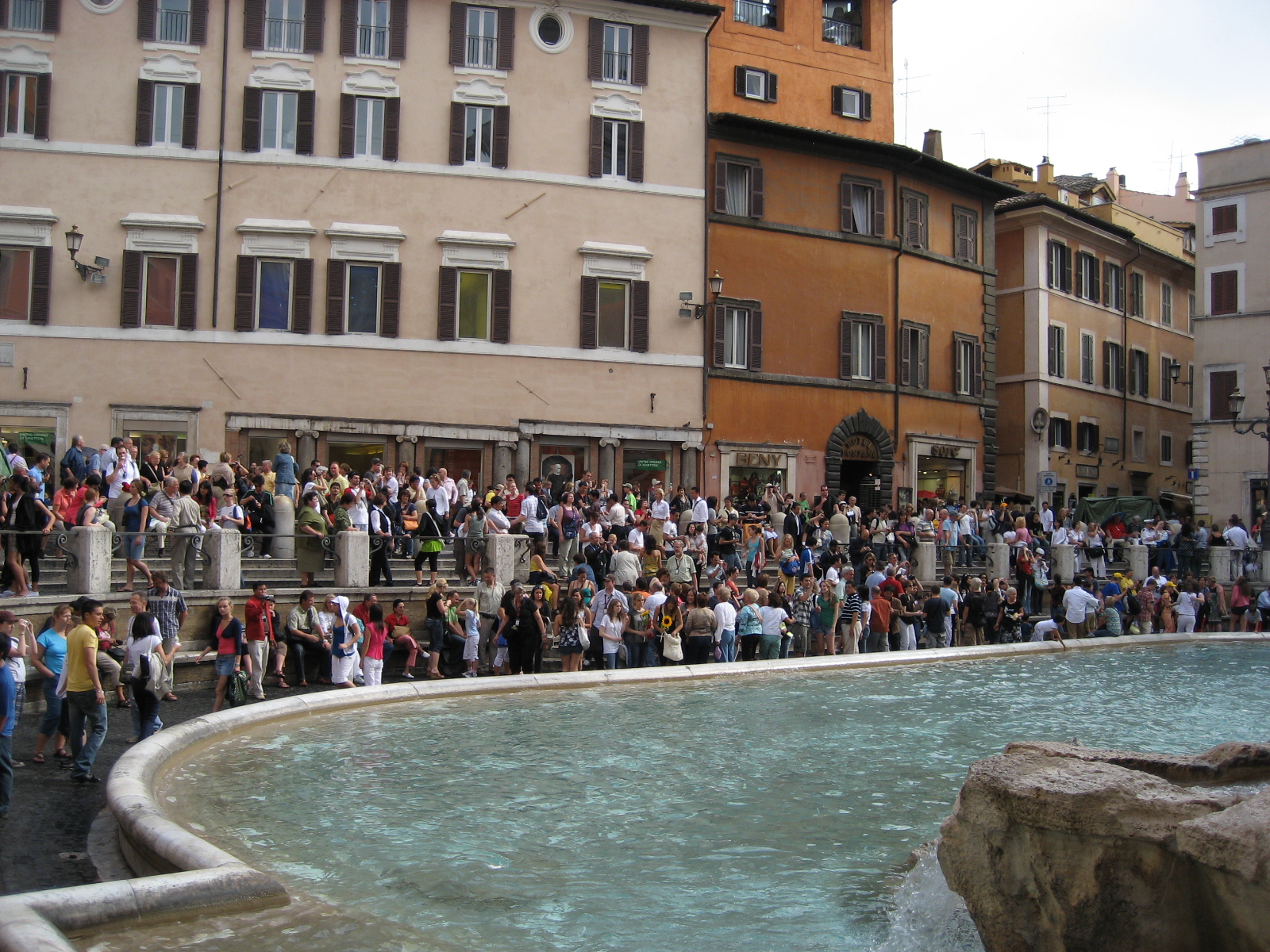
    And here were a few of the other people there:

    Following our stop at the fountain, we decided to venture onto Rome’s bus system to see if we could make it to another church we wanted to see: St. Mary Major.

    We didn’t find it. At least not right away. We got off the bus a few stops too soon, but we did get to see a church at Piazza della Republica that we would not have seen otherwise: St. Mary of the Angels and the Martyrs, which was designed by Michelangelo and placed within the ruins of the baths of Diocletian.

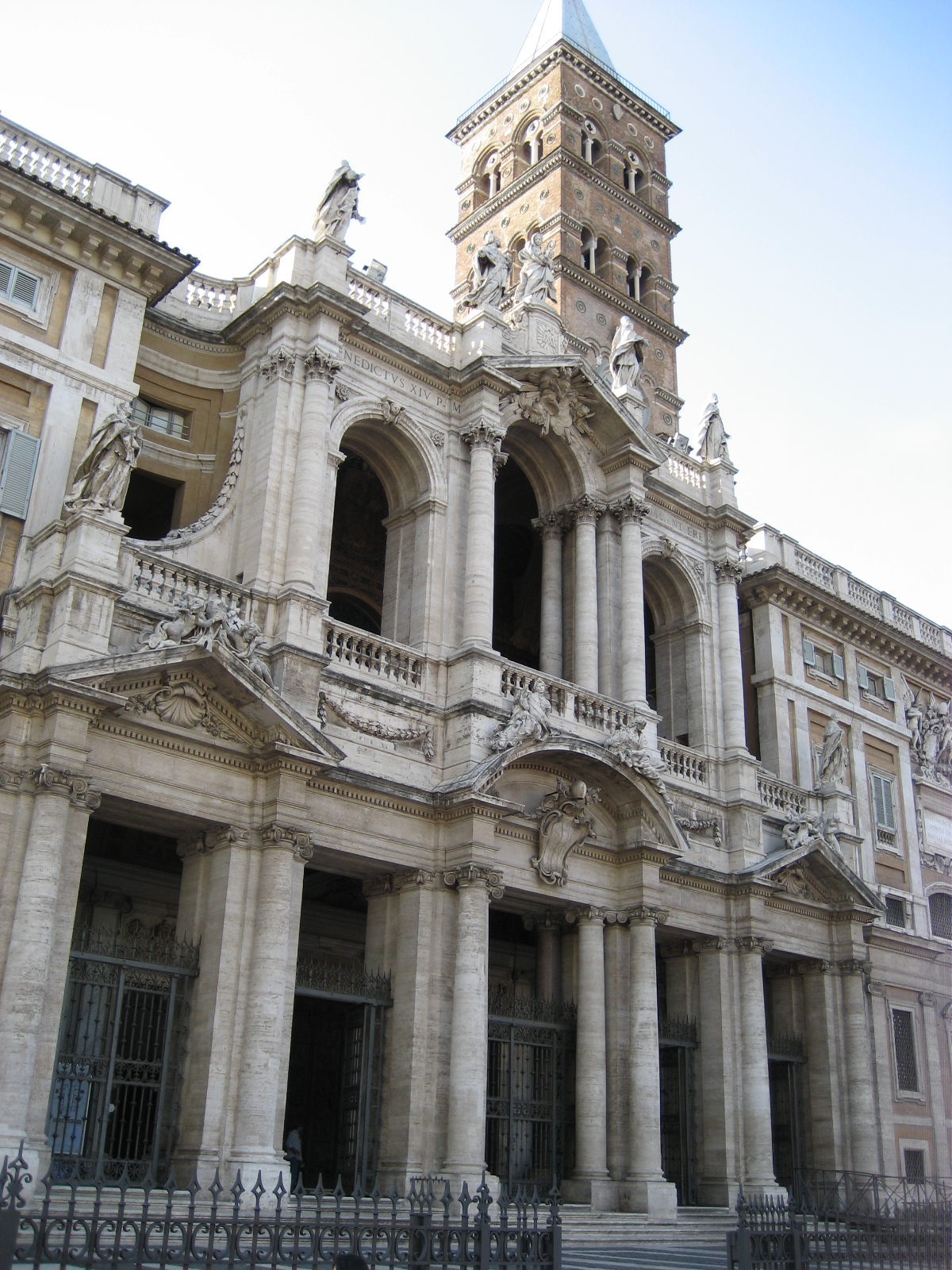
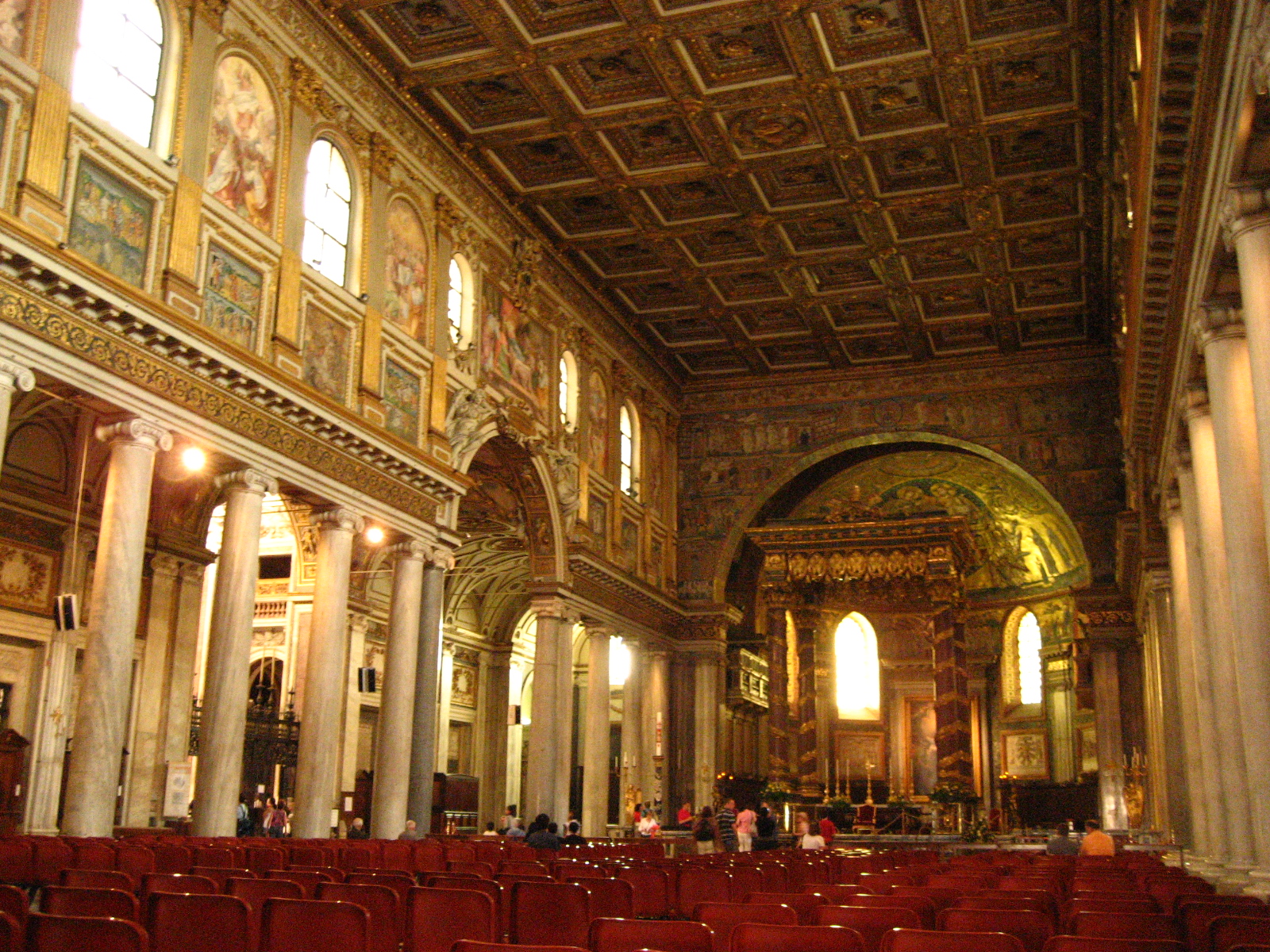
    We did end up finding St. Mary Major, so we walked down there and got inside a few minutes before it closed for the night. There are often things you find out when you get inside one of these huge churches in Rome that you didn’t know before, and the one that we found out here was that Gianlorenzo Bernini is buried inside, to the right of the main altar.

    After that, we were spent. We had dinner (pizza and pasta, of course) at a restaurant near Termini, then took the metro back to our B&B. In the evening, we enjoyed watching Italy’s soccer team play France in Euro 2008 on TV. Whenever anything good happened for Italy, you could hear shouting and horns honking up and down the street. Since Italy won that game, there were horns honking well into the night.

    As you can see, we did a lot that day. If you’ve made it all the way to the end of this post, I commend you.

  • Day 13 – Naples

    After our day at sea, the ship docked at Naples on the morning of June 16. We had signed up for our fourth and final shore excursion this day – a trip that involved Pompeii, a stop at a cameo company, lunch at a pizzeria, and a trip to the National Archaeological Museum (at least the Naples branch of it; I’m not sure whether there are more elsewhere in Italy).

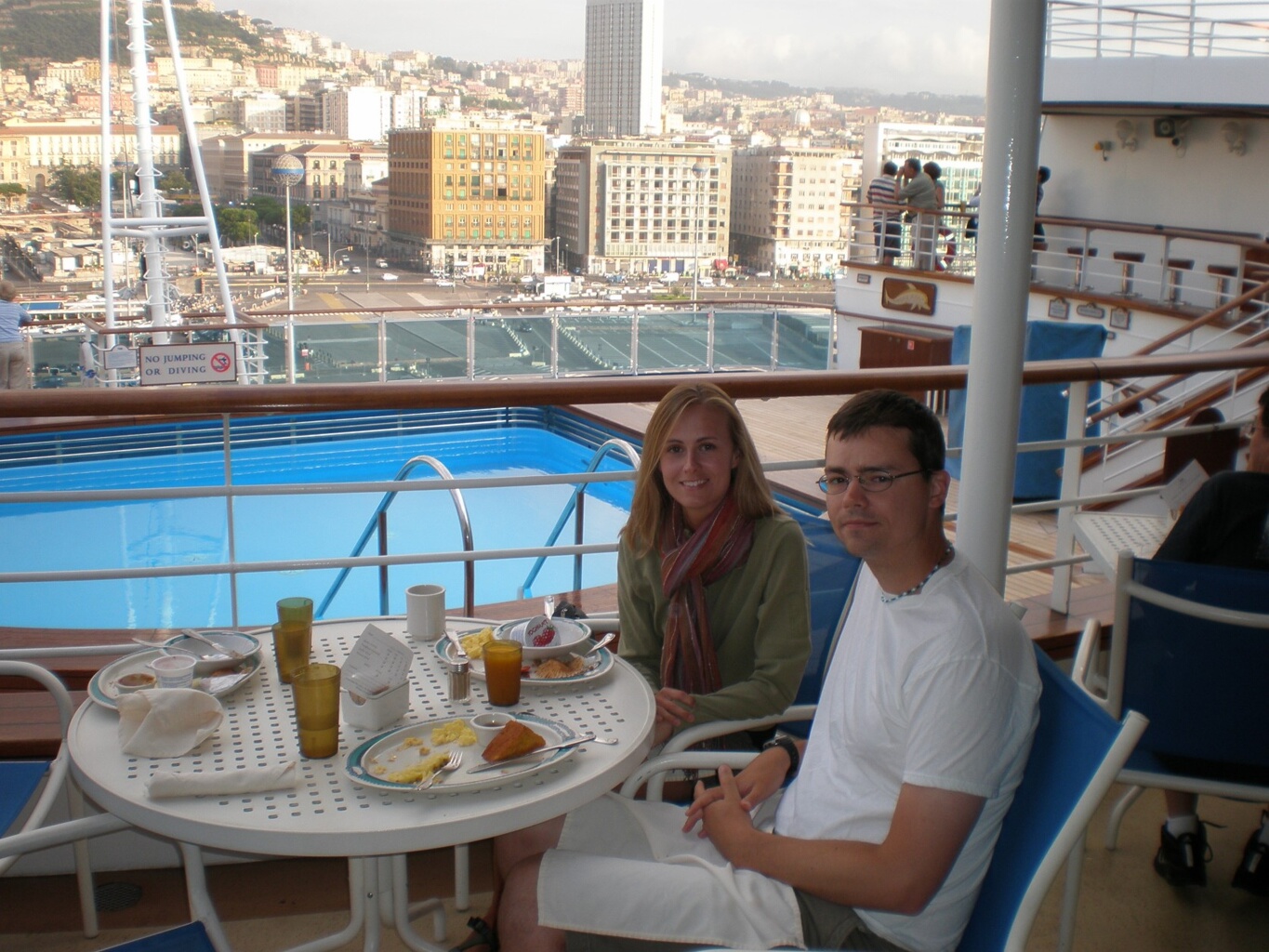
    In the morning, we had breakfast at the pool at the back of the ship, as was our custom. In this picture you can see a bit of Naples in the background.
    Then we went down to the Princess Theater to wait for our tour to begin, as usual. One thing about the speedy tour boarding process that I didn’t mention when I talked about it before (Day 6) was the entertaining Shore Excursion Manager who dismissed us from the theater. He was a Mexican guy who could not stand still; he roamed around the theater with a microphone and said things like:
    “Ladies, if your husband isn’t here yet, take the man on your other side. It’s time to go. Too bad for him.”

    “Santorini is beautiful. I’m going there for my next honeymoon, I guarantee.”

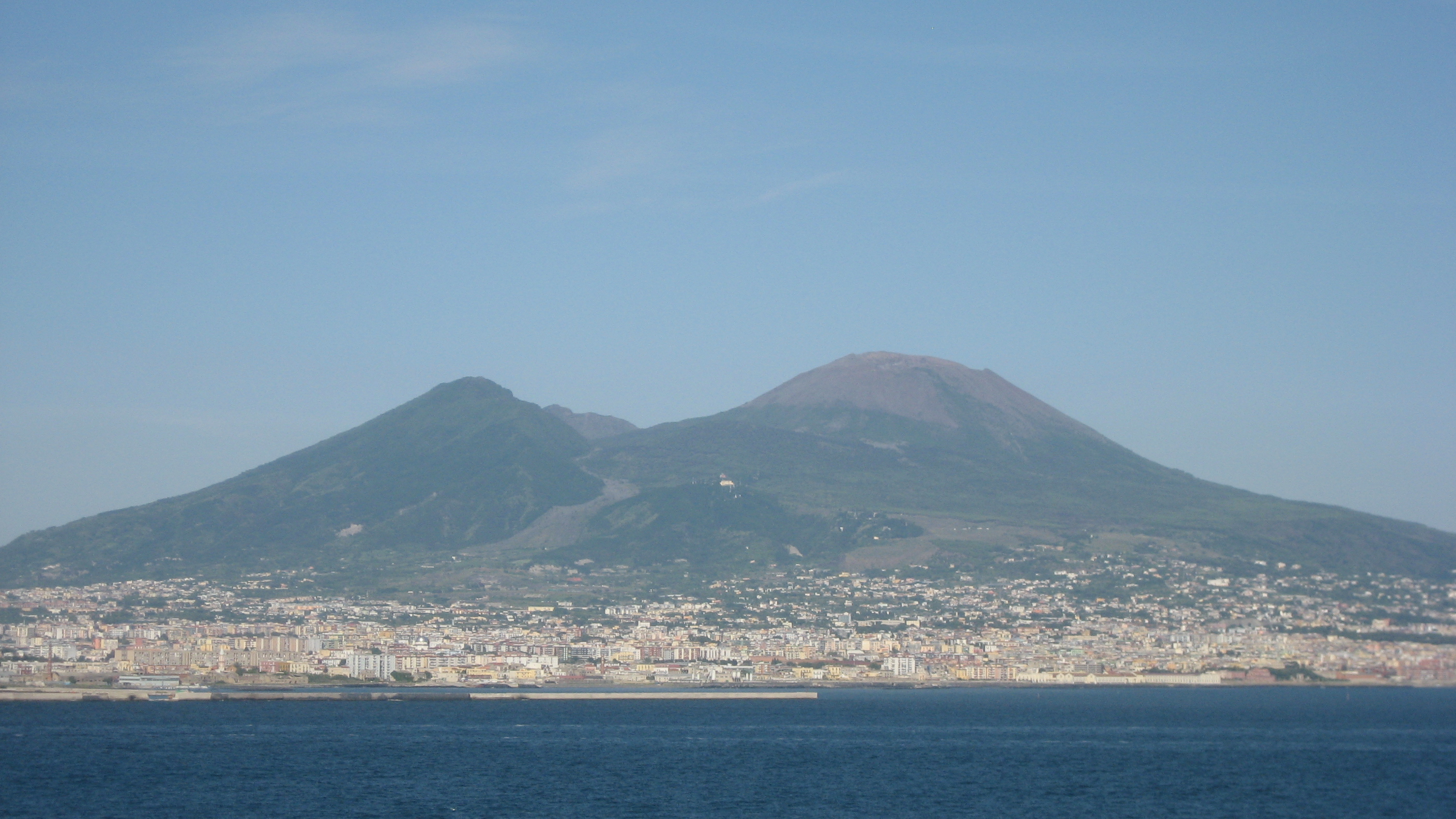
    Once we were on the bus, we rode with our tour guide south of the city, past Mt. Vesuvius, to Pompeii. We were at Pompeii for a few hours, and didn’t get a chance to see the whole city. But we saw a lot of it, and this is just one of those tradeoffs you make when you sign up for a tour.

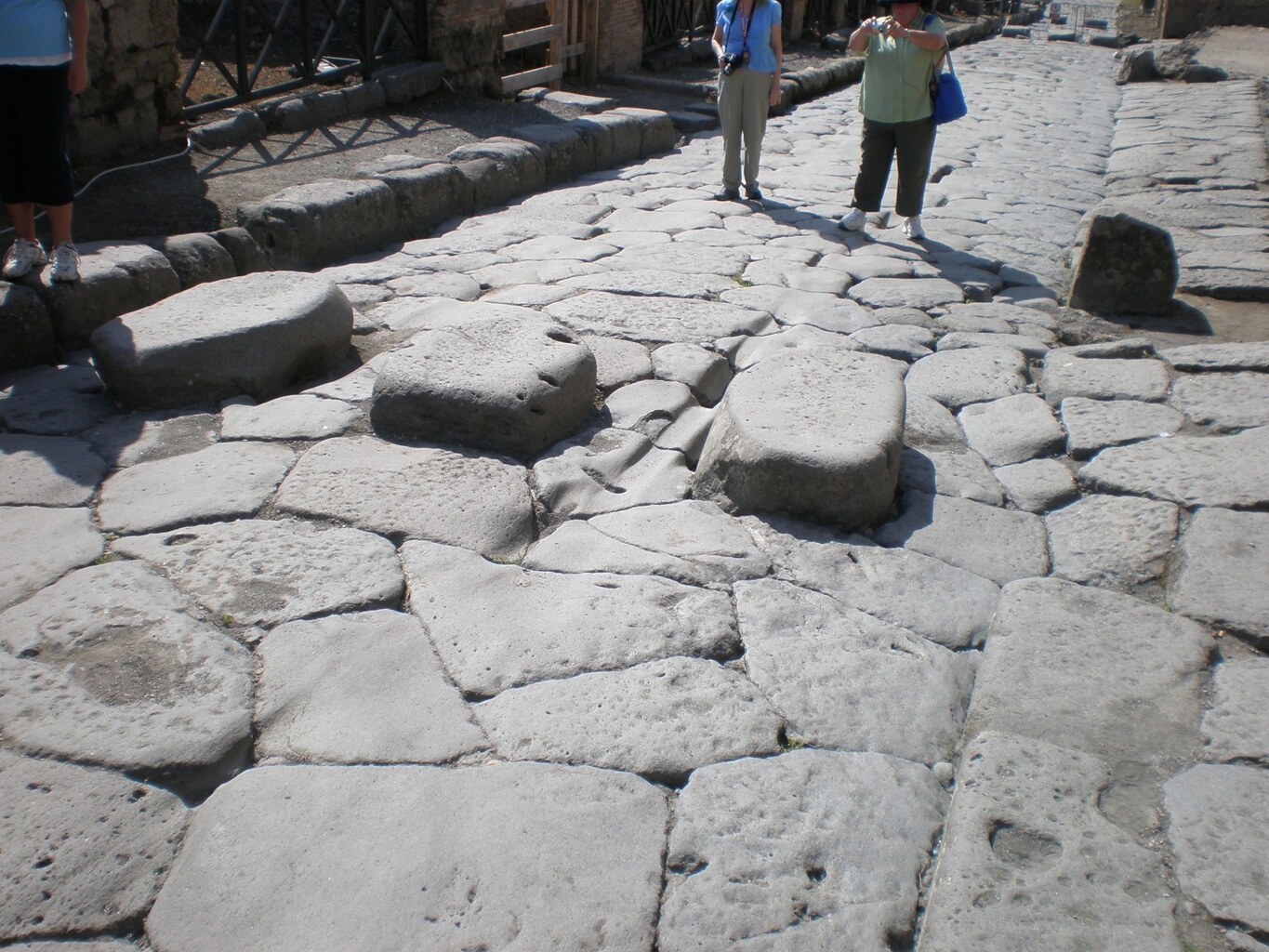
    Of course, the fascinating thing about Pompeii is that it was destroyed by an eruption of Mt. Vesuvius in 79 AD, and everyday life was going on in the city up until the moment of the eruption. So it is remarkably well-preserved. For instance, you can see speed bumps in the roads (note the ruts from chariot wheels as well):

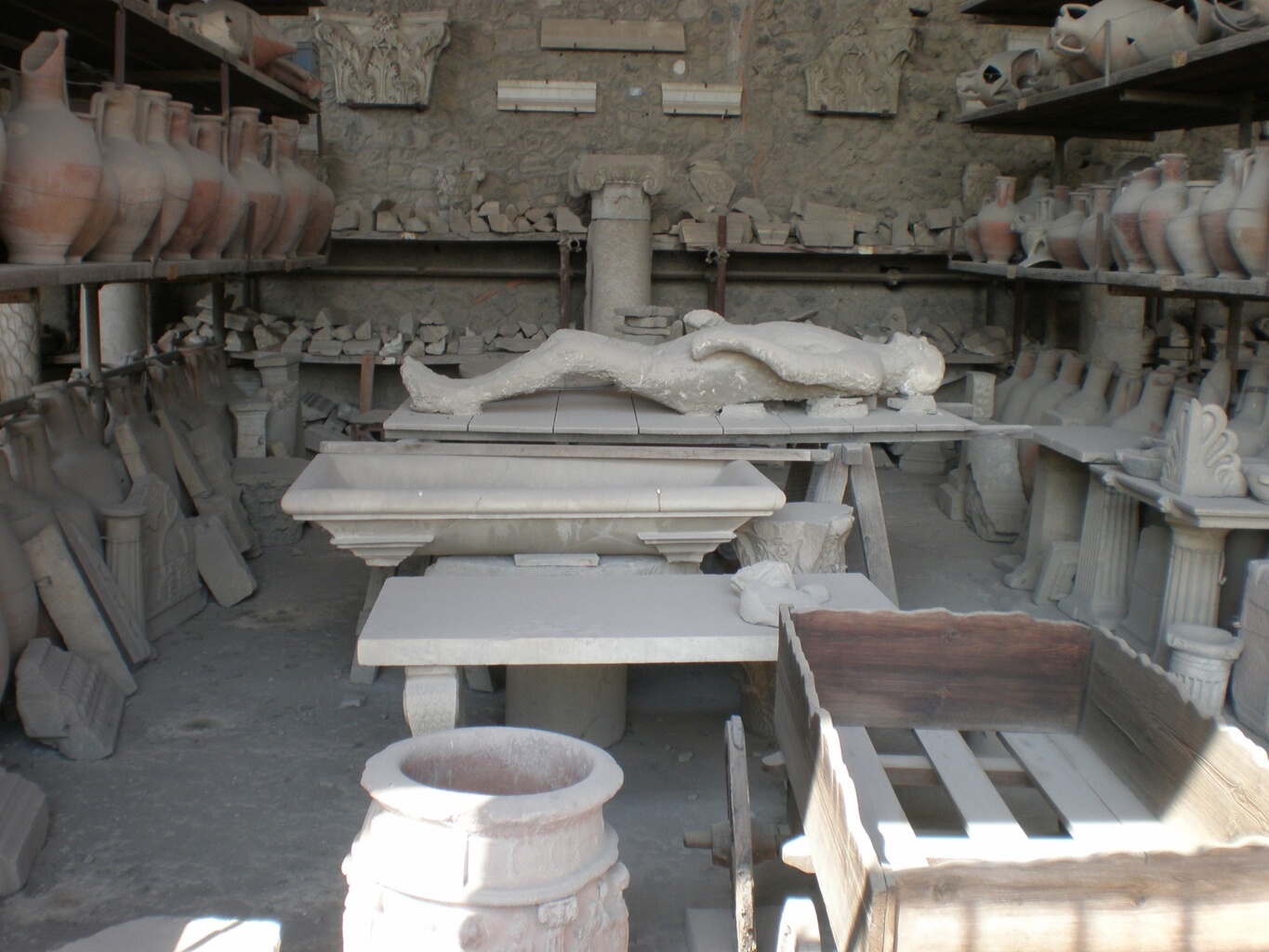
    There are also bodies of those who were encased in lava during the eruption – like this one, laying on the table in the middle of the picture:

    Someone pointed out to our tour guide that the bodies looked very small. She said that Romans had an average height that was much shorter than most people today. Julius Caesar, she noted, was only about 5 feet tall.

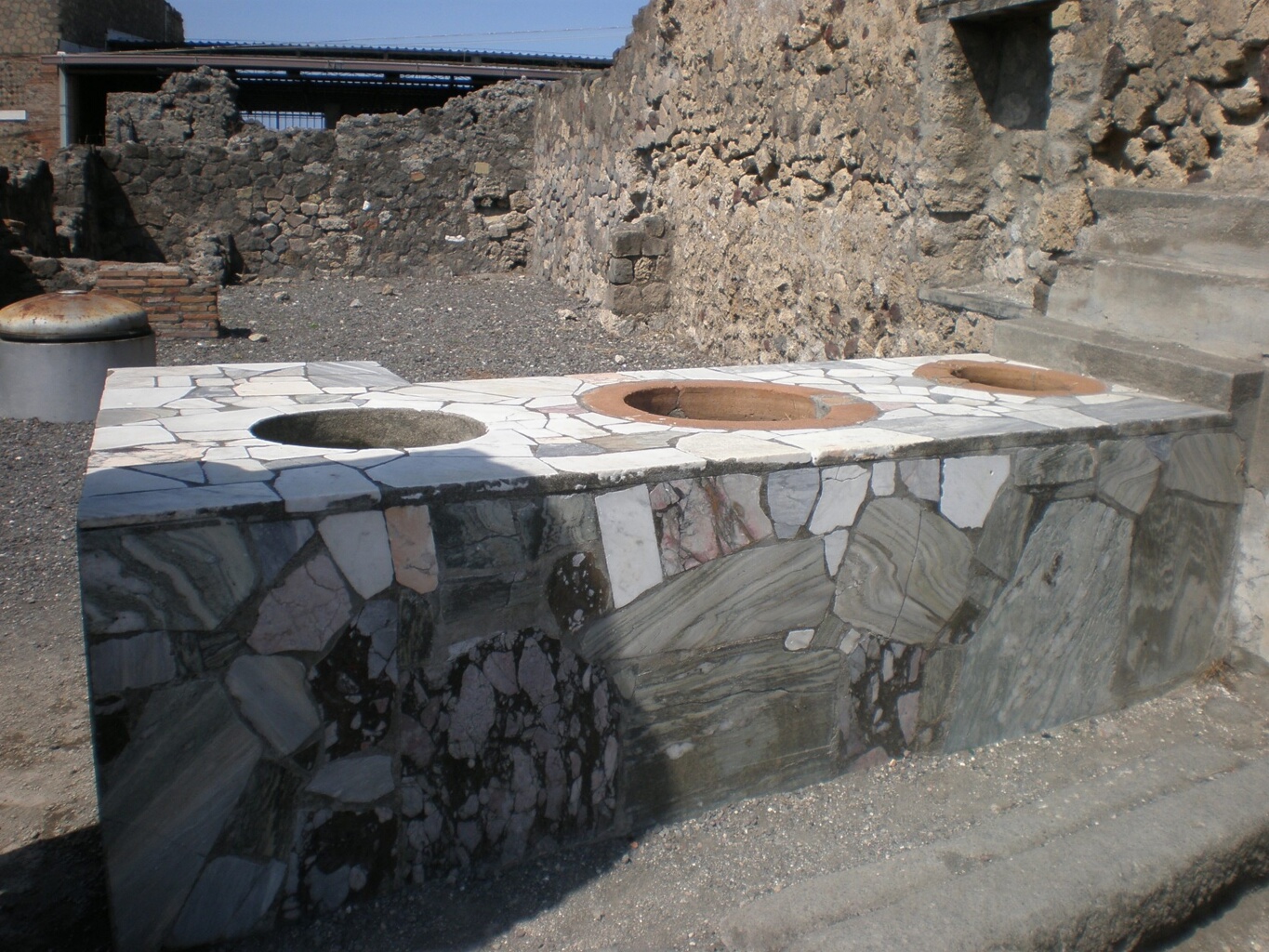
    Our guide also showed us the difference between houses and shops (shops had a groove in the doorway for a sliding door), and pointed out several ancient fast food joints, which all had these bowls in the counter tops next to the street:

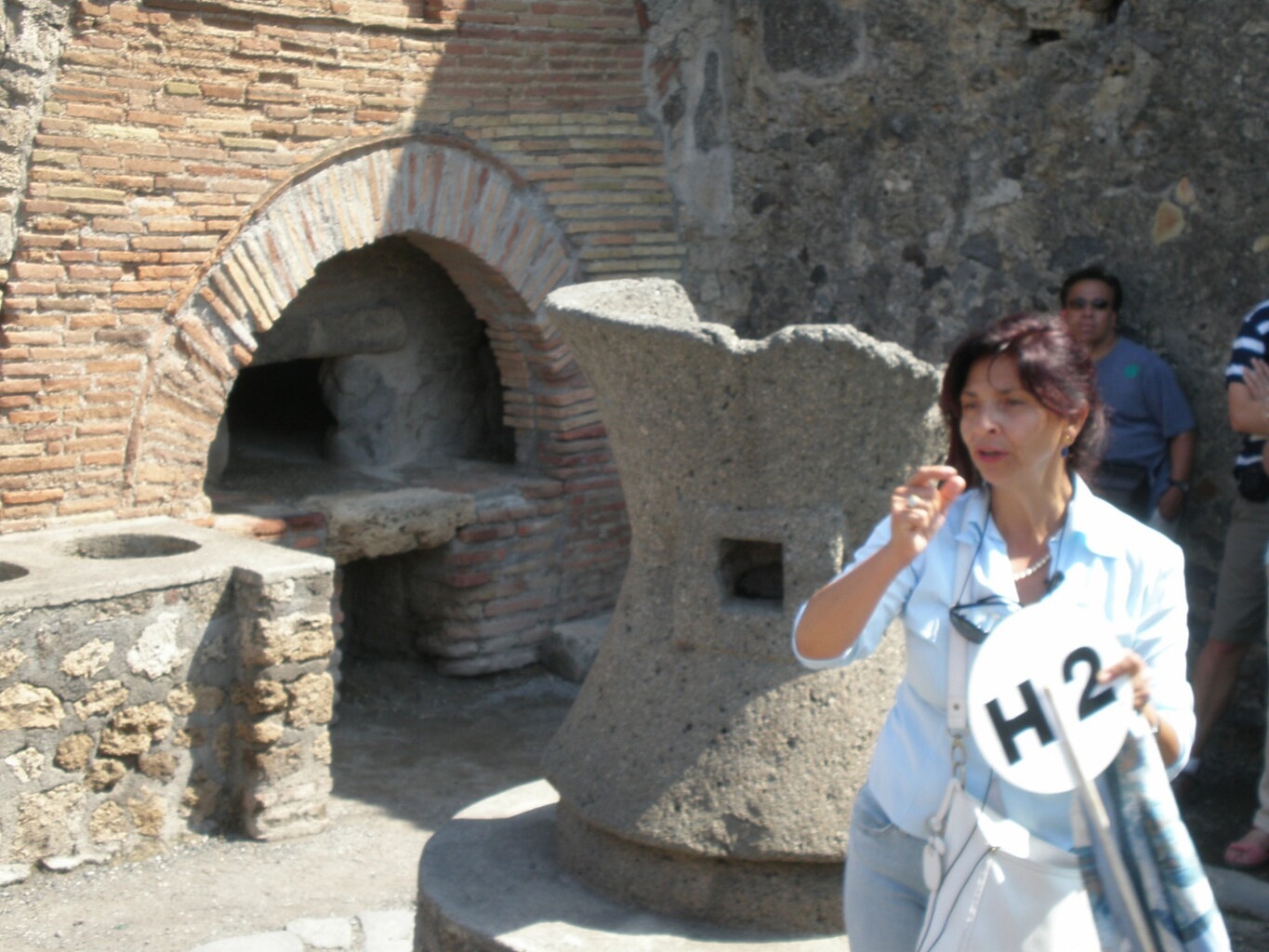
    Here is our guide in a bakery, with an oven to the left of the picture. There were several pieces of bread found in this oven when it was excavated (they weren’t edible anymore, in case you were wondering):

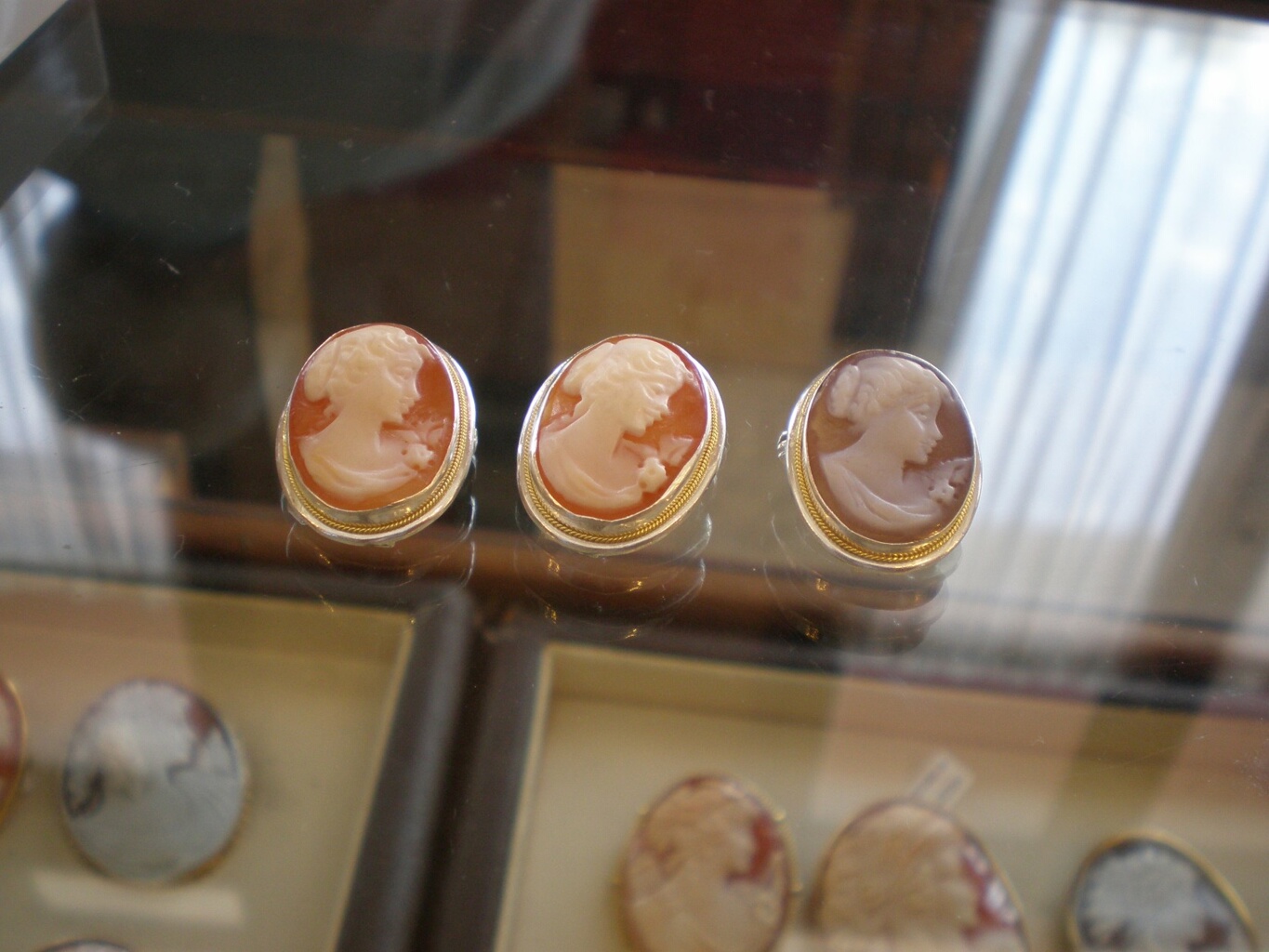
    After we left Pompeii, our tour bus stopped at a company that makes cameos. Cameos were, according to our tour guide, invented in Naples (or at least the Naples region). I knew very little about cameos before we got there. I didn’t even know that they were made from seashells. Mary, recognizing a good gift when she saw one, bought three: one for her mom, one for her sister, and one for her:

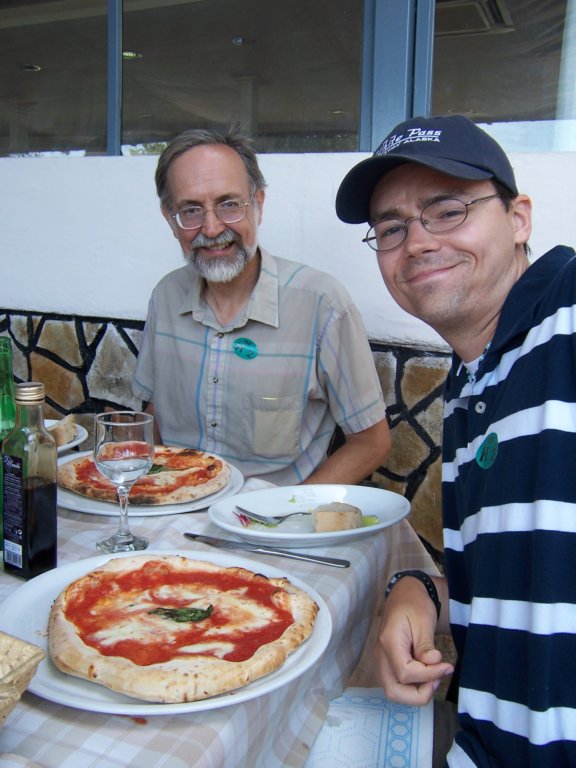
    Following the stop at the cameo company, we drove all around Naples to get to the pizzeria where we ate our very own Neapolitan “pizza pie” (as our tour guide called it at least a dozen times during our tour). The pizza was also invented in Naples. In addition to saying “pizza pie” so many times, she also would often begin her sentences with “all’ora, ladies and gentlemen…” We asked her at the end of the tour what “all’ora” (sp?) meant, and she said it meant, “and now…” Mary and I now sometimes begin our sentences to one another with this phrase.

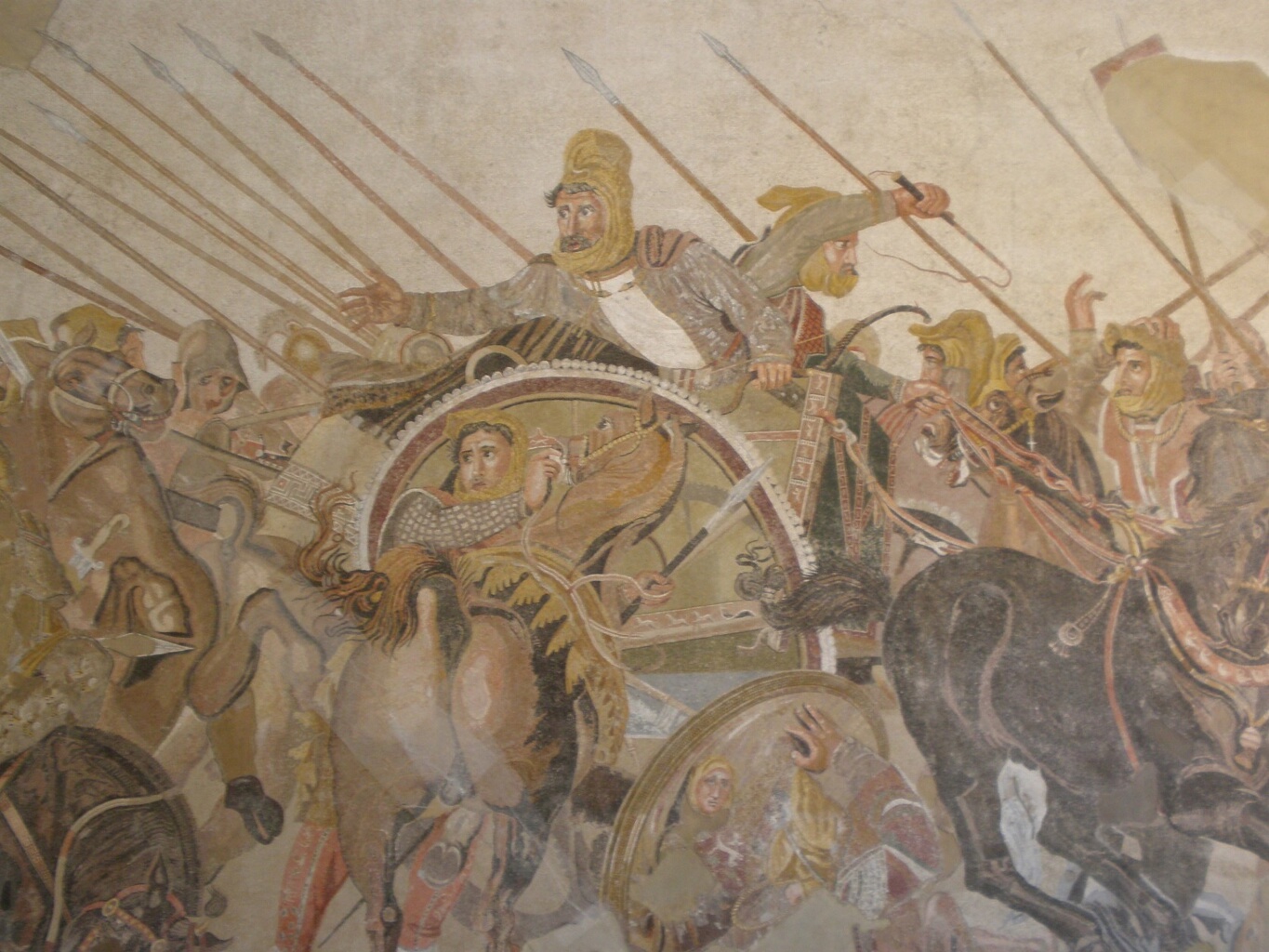
    Our final stop for the tour was the National Archaeological Museum, which has lots of art unearthed from the surrounding area, especially Pompeii. One of the most fascinating things (to me) that they had there was the Alexander Mosaic, which was found in the House of the Faun in Pompeii (the House of the Faun is named for a statue of a dancing faun that was found there). Copies of both the faun and the mosaic are in Pompeii, while the originals were relocated to the museum. Here is the whole mosaic, which depicts a battle between Alexander the Great and Darius III of Persia:

    Here is a detail of Darius, who looks worried:

    Following the tour, we returned to the ship and looked around as we sailed away. Here is a picture of Vesuvius. I don’t care whether it IS one of the most closely observed volcanoes in the world; I still wouldn’t build my house that close.